

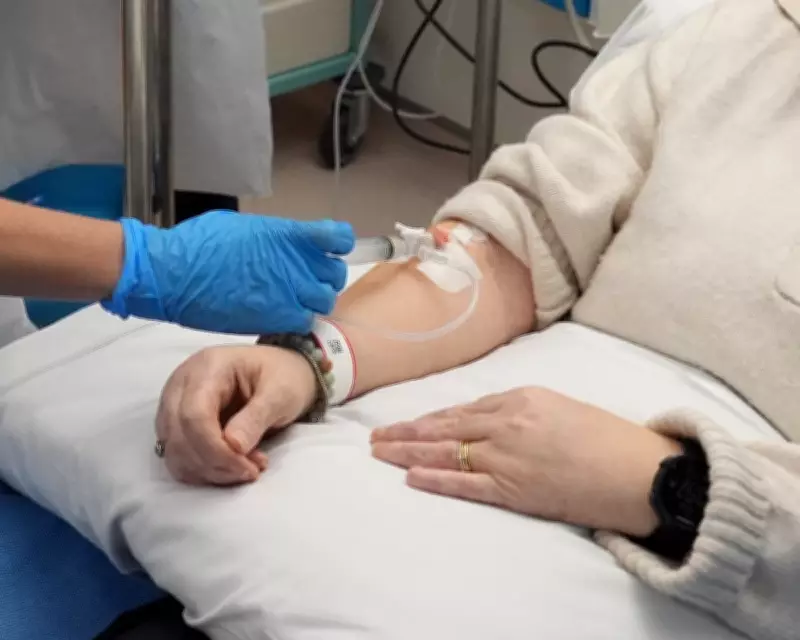
Woman with Three Deadly Diseases Achieves 'Remarkable' Recovery After Cell Therapy
A 47-year-old woman who suffered from three life-threatening autoimmune diseases for over a decade has experienced a striking improvement in her condition, returning to a near-normal life after undergoing a pioneering cell therapy. This marks a world-first recovery and offers new hope for patients with similar conditions.
Decade of Struggle and Failed Treatments
The patient had endured nine different treatments, none of which provided lasting relief, before receiving the therapy last year at University Hospital Erlangen in Germany. At the time, her illness was so severe that she required daily blood transfusions and permanent blood thinning medication just to manage her symptoms. Her conditions included autoimmune haemolytic anaemia (AIHA), immune thrombocytopenia (ITP), and antiphospholipid syndrome (APS), all driven by rogue B-cells that attack the body's own cells.
Game-Changing CAR T-Cell Therapy
With no other options available, doctors offered CAR (chimeric antigen receptor) T-cell therapy, a treatment that has proven gamechanging for certain cancers. The process involved extracting the woman's white blood cells, isolating her T-cells, and engineering them to target the CD19 protein on B-cells. After re-infusing these modified cells, the therapy swiftly destroyed the harmful B-cells.

Swift and Profound Recovery
Within weeks, doctors observed that all three diseases had responded positively. The woman had her last blood transfusion just one week after treatment and was strong enough for everyday activities two weeks later. For the past 14 months, she has been in treatment-free remission, with her immune system appearing to reset itself. Prof Fabian Müller, who led the team, described the speed and depth of her response as remarkable, significantly improving her quality of life.
Ongoing Research and Clinical Trials
While this case is promising, experts emphasize the need for further research. Prof Ben Parker, a consultant rheumatologist at the Kellgren Centre for Rheumatology, noted that the prolonged response suggests an immune reset, but its durability remains unclear. He highlighted that clinical trials are essential to determine if this therapy can be effective for other autoimmune diseases like lupus, multiple sclerosis, and vasculitis. Details of this case have been published in the journal Med, paving the way for future studies.






