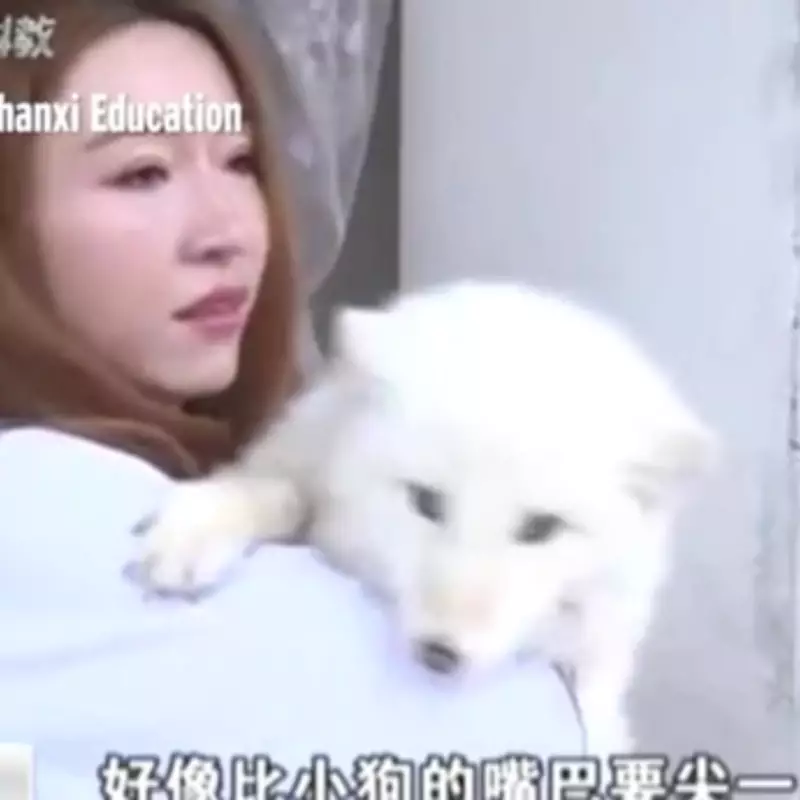
Woman's £140 'Puppy' Turns Out to Be a Fox After Refusing Dog Food
A woman in China was left utterly stunned when she discovered that the 'puppy' she had purchased for £140 was, in fact, a domesticated fox. The pet owner, identified only as Ms Wang, had believed she was buying a Japanese Spitz breed but grew suspicious as the animal exhibited unusual behaviors and physical traits.
Suspicious Signs Emerge
According to reports from Chinese media, Ms Wang first became concerned when the creature, at around three months old, stopped eating dog food entirely. She also noted that it never barked, unlike typical dogs, and its coat grew thicker while its tail elongated beyond normal canine proportions.
Ms Wang, a resident of Jinzhong in China's Shanxi province, had acquired the animal from a local pet shop in July 2018. She described the changes, stating, 'The fur got thicker when it reached three months old. Its face became pointy and its tail grew longer than that of a normal dog.'

Confirmation from Experts
Her doubts were further fueled when other park-goers, where she exercised her pet, remarked that the animal resembled a fox. Seeking professional advice, Ms Wang consulted Sun Letian, an animal epidemic prevention specialist at Taiyuan Zoo. After examination, he confirmed the pet was indeed a fox, noting its size and a distinctive body odor that intensifies with age.
Sun Letian explained, 'Based on the size, it is a domesticated fox. It carries a smell in their body and the smell can get stronger as it grows older.' The white-furred fox currently measures 30cm (12 inches) in length and is expected to grow larger.
Transfer to Zoo for Care
In response to the discovery, Ms Wang made the decision to hand over her pet to the zoo to ensure a more suitable diet and a 'better living environment'. The fox will undergo a month-long quarantine before being relocated to an enclosure, pending approval.
Sun Letian offered Ms Wang some consolation, advising, 'If you miss it, come by and have a visit.' This incident highlights the importance of verifying pet sources and understanding animal characteristics to prevent such mix-ups in the future.