Spanish Woman's Euthanasia Proceeds Despite Family Opposition and Emotional Pleas
In a deeply emotional scene that has captured national attention in Spain, a young woman was denied a final opportunity to visit her best friend before euthanasia was administered. Noelia Castillo, a 25-year-old from Barcelona, passed away on Thursday at the Sant Pere de Ribes assisted living facility following a protracted legal battle that ultimately upheld her right to end her life.
Heartbreaking Police Standoff Precedes Euthanasia Procedure
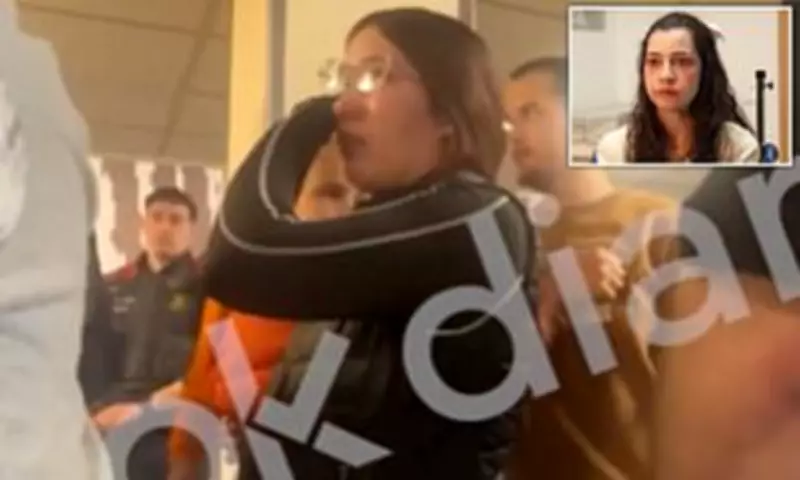
A video published by Spanish media outlet OK Diario shows the tearful friend, Carla Gutierrez, pleading with two police officers to grant her access to Castillo for one last meeting. "I need to see her," Gutierrez is heard desperately appealing to the officers. "When they moved her to a different school we lost contact, I knew nothing about her, please."
The officers maintained their refusal, explaining that the matter fell outside their jurisdiction and emphasizing that Castillo's personal choice must be respected. This emotional confrontation occurred just hours before the euthanasia procedure was scheduled to take place.

Friend's Desperate Attempt to Change Castillo's Mind
In an exclusive interview with OK Diario, Gutierrez revealed that she and Castillo had been close friends during their high school years until circumstances separated them. "I wanted to see her to see if she changes her mind, or at least to say goodbye," Gutierrez explained to reporters. "I even brought my daughter who is also in a wheelchair."
The determined friend had prepared a handwritten letter for Castillo, hoping it might reach her before the procedure commenced. "I want to see if I can go in, even if it's just me, to see if I can convince her," Gutierrez expressed during the emotional interview.
The Final Hours and Medical Procedure
Before the euthanasia began at 6:30 PM local time, Castillo reportedly requested additional time with her family members. Although loved ones were originally scheduled to depart before the medical administration, they remained present for approximately thirty minutes beyond the planned separation.
Castillo ultimately passed away alone in the room with only the administering physician present, as she had specifically requested. The 25-year-old died approximately twenty minutes after receiving the initial injection in a series of three medical administrations.
Complex Medical History and Legal Approval
Castillo's case has drawn significant public attention due to her young age, the family's public opposition, and the complex circumstances that led to her euthanasia request. The young woman had become paraplegic following a 2022 suicide attempt where she jumped from a roof, an act that occurred after she was gang-raped by three strangers in a nightclub.
Prior to this incident, Castillo had reportedly attempted suicide through drug overdoses and self-harm on multiple occasions. Her medical history included diagnoses of borderline personality disorder and obsessive-compulsive disorder with paranoia and suicidal ideation, conditions that caused severe mood instability and psychological suffering.
In July 2024, an independent Catalonian body composed of medical professionals, legal experts, and bioethics specialists approved Castillo's euthanasia request. Their assessment determined that her condition was both serious and incurable, resulting in severe, chronic, and debilitating suffering that met Spain's legal requirements for assisted dying.
Family Opposition and Legal Challenges
Castillo's father, Geronimo Castillo, mounted a determined legal challenge to prevent the euthanasia, arguing that his daughter's mental health conditions might impair her ability to make a fully informed and voluntary decision as required by Spanish law. He further contended that her suffering did not reach the threshold of "unbearable physical or psychological suffering" stipulated in the legislation.

In her final interview with Spanish broadcaster Antena 3, Castillo directly addressed her father's opposition. "He hasn't respected my decision and he never will," she stated firmly. "I want to go now and stop suffering, period. None of my family is in favour of euthanasia. But what about all the pain I've suffered during all these years?"
The young woman emphasized her personal autonomy in the decision, stating, "The happiness of a father, a mother, or a sister cannot be more important than the life of a daughter." She concluded, "I've finally done it. Let's see if I can finally rest because I can't take this family anymore, the pain, everything that torments me from what I've been through. I don't want to be an example for anyone, it's simply my life, and that's all."
Spain's Euthanasia Law and Ongoing Debate
Spain joined a small group of nations that have legalized euthanasia when it passed comprehensive legislation in 2021. The law establishes strict requirements, permitting individuals of sound mind who suffer from "serious and incurable illness" or "chronic and disabling" conditions to request assistance in dying.
Following Castillo's death, Christian Lawyers, the ultraconservative Catholic organization representing her father, issued a statement expressing profound regret. "At Christian Lawyers, we deeply regret her death and denounce that this case highlights the serious flaws in the euthanasia law, which does not protect the most vulnerable people," the organization declared. "We urge politicians to use her story to drive urgent changes and prevent something like this from happening again."
The case continues to generate intense debate across Spain about the implementation of euthanasia legislation, the rights of individuals with mental health conditions, and the boundaries of personal autonomy versus family intervention in end-of-life decisions.