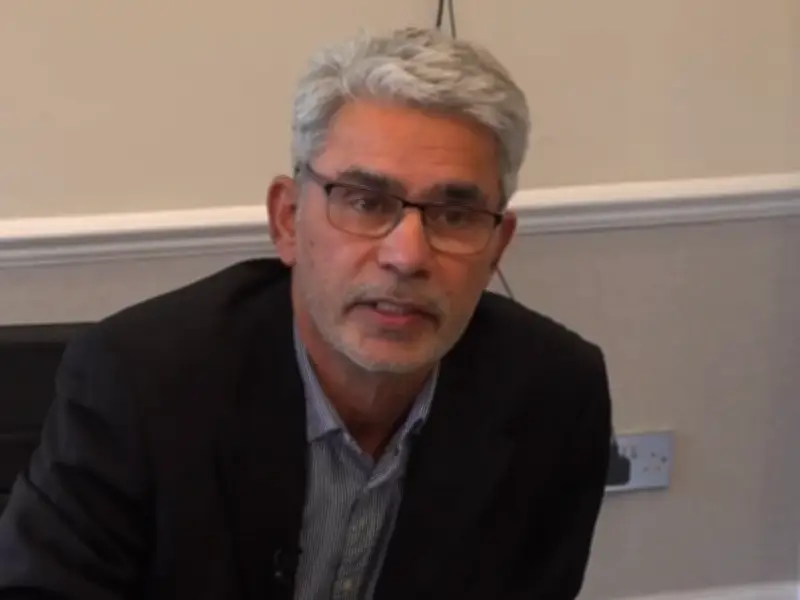
Top surgeon Mohammed Meer Habib has alleged that 19 patients died as a result of incompetence and mismanagement at Aberdeen Royal Infirmary, calling for those responsible to be investigated over corporate killing.
Surgeon's Allegations
Dr Habib, a long-serving NHS worker, described the operating theatre at Aberdeen Royal Infirmary as a disaster zone where patients suffered harm due to hopeless mismanagement. He insisted that cover-ups and a culture of secrecy stopped the public from learning about the unfolding calamity.
A public health watchdog review earlier this month had already highlighted a series of major failings within the health board, but Dr Habib's claims go beyond that scathing verdict. He argues the matter should now be considered a criminal case.
Health Board Response
NHS Grampian's chief executive, Laura Skaife-Knight, previously said she was "determined" to put things right. However, questions remain over whether anyone involved with the board can be trusted to resolve the issues.
Dr Habib said he tried to get the Scottish Government's health department to intervene, but they told him the rules prevented them from interfering. He dismissed this response, arguing that if lives were at risk, such rules should have been disregarded.
Broader Questions
The revelations also raise wider questions about Scotland's public services. Despite higher taxes than other parts of the UK, there is no evidence that hospitals, schools, or transport are performing at a higher level.
The article suggests that too many well-paid public servants move from one job to another, tolerating poor standards, and that a culture of secrecy often prevents the public from seeing how badly things are run. It notes that sackings are rare despite failings.
First Minister John Swinney has expressed a wish to reform public services. The article argues he could start by sacking every senior boss at NHS Grampian and putting the body under direct Scottish Government control, suggesting that such measures, if taken when Dr Habib first raised his concerns, could have saved lives.