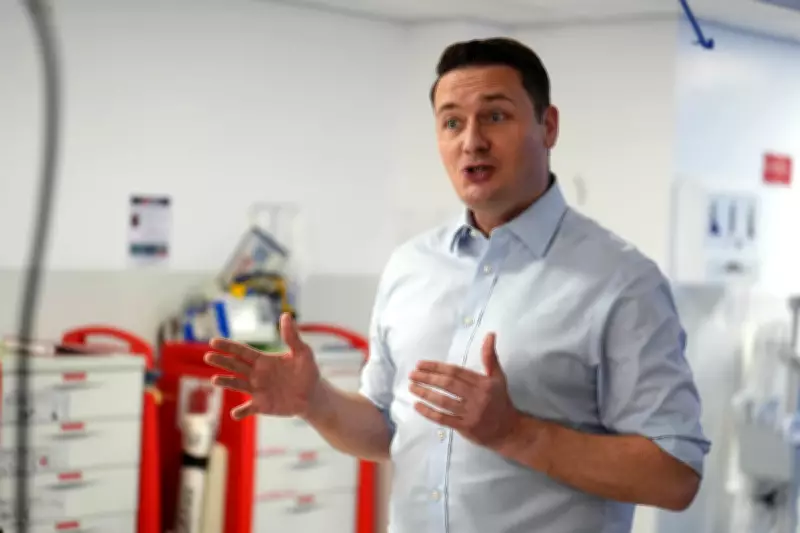
Health Secretary Calls for Reconsideration of Doctor Strikes as NHS Shows Recovery Signs
Health Secretary Wes Streeting has voiced deep disappointment over the decision by resident doctors to proceed with strike action during the Easter period, warning that it poses an unnecessary setback to the National Health Service's ongoing recovery efforts. In a statement issued on Friday, 27 March 2026, Streeting emphasized that while the NHS is demonstrating positive trends—such as falling waiting lists, improved A&E performance, and faster ambulance response times—the planned walkouts threaten to derail this hard-won progress.
Progress Amid Industrial Action
Across the NHS, staff have been delivering for patients, with patient satisfaction rising for the first time since before the pandemic and dissatisfaction seeing the largest decline since 1998. Streeting noted that this optimism should not lead to complacency, as the advancements have been achieved despite significant industrial action in recent months. However, after months of constructive negotiations, the British Medical Association's Resident Doctors Committee rejected a comprehensive deal on pay and careers, leading to the announcement of further strikes.
Details of the Rejected Offer
The proposed package was designed to address long-standing concerns among resident doctors, offering a substantial pay increase and career enhancements. Key elements included:

- Pay Rise: An average 4.9% increase this year, resulting in resident doctors being more than 35% better off compared to four years ago.
- Career Progression: Reformed pay structures to allow more frequent advancement through training stages.
- Financial Relief: Reimbursement of Royal College exam fees, which can amount to thousands of pounds.
- Job Security: Improved conditions for locally employed doctors, offering greater fairness and stability.
- Training Opportunities: Creation of up to 4,500 new specialty training posts, with 1,000 set to be introduced next month to alleviate bottlenecks.
Streeting described this as a serious and credible offer, aimed at building a stronger NHS workforce capable of delivering high-quality care now and in the future. He highlighted that legislation has already been passed to prioritise UK-trained doctors for these roles, enhancing career prospects domestically.
Consequences of Strike Action
The health secretary warned that strikes come at a significant cost, slowing progress, creating uncertainty for patients, and placing additional strain on colleagues who continue working under pressure. He pointed out that during the most recent strikes, the NHS still managed to deliver over 95% of planned care, showcasing the dedication of staff. However, every pound spent on managing disruption is a pound not invested in service improvements, working conditions, or pay.
Appeal for Collaboration
Expressing sorrow rather than anger, Streeting urged the BMA to reconsider its position, noting that they have until next Thursday to accept the deal before the extra jobs and opportunities are withdrawn. He emphasized that his door remains open for further discussions, despite the BMA's refusal to meet since the general election. In the immediate term, the priority is protecting patients and minimising disruption, with efforts focused on the wider NHS if strikes proceed.
Streeting concluded by calling for a return to collaborative spirit, stressing that working together is essential to realise the ambition of an NHS fit for the future—for patients, resident doctors, and the entire workforce.