How Britain's Lost Cooking Skills Are Harming Young People's Health and Confidence
UK's Lost Cooking Skills Harm Youth Health and Confidence

The Decline of Cooking Skills in Modern Britain

More than half of young people in the United Kingdom now lack confidence in the kitchen, as both parents and educational institutions have gradually stopped passing on this fundamental life skill. A new movement spearheaded by celebrity chef Ainsley Harriott aims to address this growing gap, highlighting what an entire generation has missed by being unable to prepare even simple meals.

The Stark Reality of Kitchen Confidence

Recent research reveals that over 50% of young individuals feel embarrassed or frightened about cooking for themselves or others. Many cannot prepare everyday dishes like soup or curry, while others struggle with basic concepts such as appropriate portion sizes. This decline in practical kitchen abilities represents a significant shift from previous generations, where cooking knowledge was often absorbed through daily family life.

Ainsley Harriott's Personal Mission

Chef Ainsley Harriott recalls a poignant moment from his television career that illustrates cooking's transformative power. "Years ago during my Ready Steady Cook days, a viewer wrote about a jacket potato recipe I'd demonstrated," Harriott remembers. "Twenty years later, I met that same man who had since become a professional chef. That small kitchen moment changed his entire life trajectory."

Wide Pickt banner — collaborative shopping lists app for Telegram, phone mockup with grocery list

Harriott now champions the relaunched Scouts chef's badge for 10-14-year-olds, which has been updated to include contemporary concerns like reducing food waste, proper food storage, and meal planning. "There are loads of kids out there – one in two! – who find it difficult to cook for others," Harriott explains. "But cooking is far more than feeding yourself. It's a social skill that brings people together."

The Health Implications of Lost Skills

Nutrition experts emphasize that cooking ability directly impacts long-term health outcomes. Bridget Benelam, nutrition scientist at the British Nutrition Foundation, states: "Basic cooking skills are fundamental for following a healthy dietary pattern. They allow incorporation of vegetables, wholegrains, pulses and lean proteins into balanced diets that support long-term health."

Benelam further notes that cooking proficiency becomes particularly crucial during financial constraints. "It's vital for eating healthily on a budget, as basic skills enable preparation of inexpensive meals with nutritious ingredients."

The Cultural Shift Away from Kitchen Learning

Charlotte Stirling-Reed, a baby and child nutritionist, identifies a deeper issue: "Cooking skills are absolutely essential, but before a child will ever want to cook, they first must develop a love for food. If children haven't cultivated curiosity about flavours or excitement about eating, teaching them to chop onions misses the point entirely."

This relationship with food traditionally developed naturally in households where cooking was routine. However, longer working hours, busy family schedules, and the convenience of ready meals and delivery apps have reshaped British eating habits. While convenience has its place, these changes mean fewer opportunities for children to observe cooking in action.

The School System's Patchy Provision

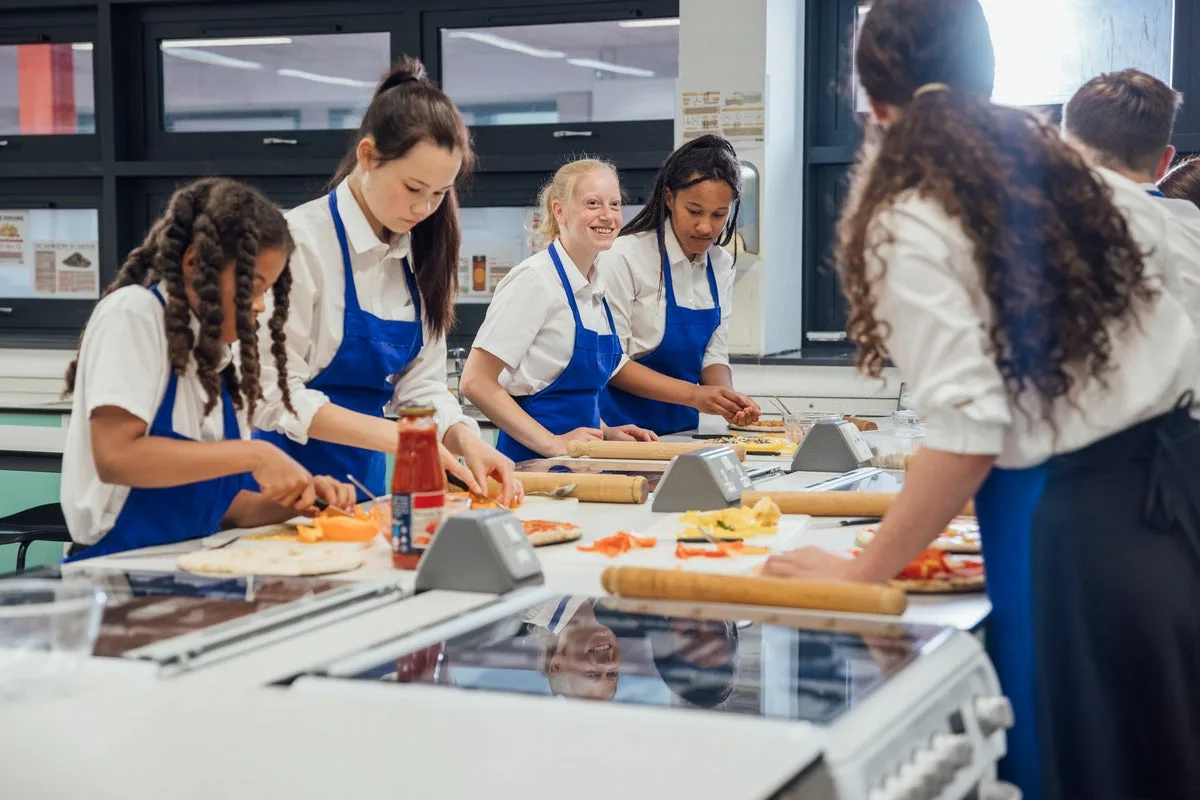
With home cooking education declining, schools should theoretically fill the gap. Yet Caroline Harrison, director of the Food Education Network, reveals: "Food education in England is patchy and highly variable." Approximately 75% of primary schools don't offer regular cookery lessons, while only 48% of secondary school students receive dedicated food education time.

The disparities extend beyond age demographics. Children from households earning under £45,000 are less likely to receive food education than wealthier peers. Geographical differences are equally stark: 58% of London youth receive dedicated food education compared to just 40% in Yorkshire and the Humber region.

Practical Barriers in Education

Harrison explains the practical challenges: "Limited facilities, equipment and ingredients, plus a shortage of trained food education teachers – particularly at secondary level – make practical cookery lessons difficult to deliver." Consequently, many students leave school without the practical kitchen skills once taught in traditional home economics classes.

Pickt after-article banner — collaborative shopping lists app with family illustration

Long-Term Consequences and Solutions

Research demonstrates that cooking skills developed in youth translate into healthier habits later in life. One study found that better cooking abilities between ages 18-23 correlated with improved diet outcomes a decade later, including higher vegetable consumption and reduced fast food reliance.

This connection between cooking proficiency and diet quality becomes especially relevant as ultra-processed foods constitute a significant portion of the UK diet. While convenience foods can fit within balanced eating patterns, the ability to prepare meals from basic ingredients provides greater control over nutritional content.

Harriott advocates for cooking's return to classroom prominence: "When you consider the life skills cooking provides, it deserves educational priority. Passing basic cooking knowledge to young children during that spongy age when brains absorb information rapidly can make a lasting difference."

A Generation Failed by Systems

Stirling-Reed offers a sobering perspective: "My generation grew up as cooking lessons were being stripped from schools, and that's had huge impact on current skills. It's not that today's young people forgot how to cook – the systems around them failed to prioritize practical food education."

As conversations about nutrition increasingly focus on ultra-processed diets and healthy longevity, the solution may begin with something remarkably simple: knowing how to prepare dinner. Harriott's jacket-potato story serves as a powerful reminder that sometimes, all it takes is one small spark to ignite a lifetime of kitchen confidence and culinary capability.