Single-Use Vape Ban Delivers Limited Environmental Gains Amid Ongoing Challenges
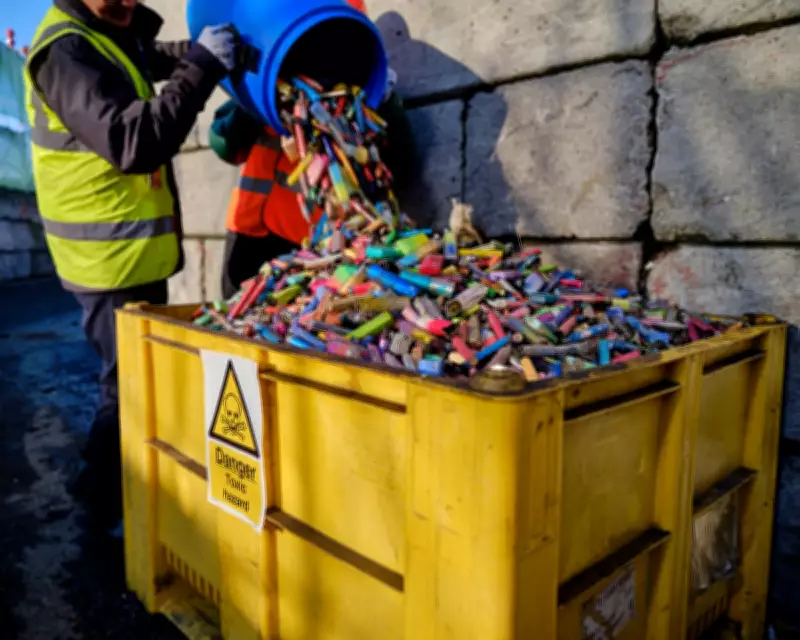
Good morning. Despite the government's prohibition on single-use vapes implemented last June, new figures indicate the policy has achieved only modest environmental benefits while failing to adequately address youth vaping and waste management issues. According to data from recycling campaign group Material Focus, approximately 6.3 million vapes and pods continue to be discarded weekly across the UK.
Environmental Impact and Waste Management Concerns
While the current disposal rate represents nearly a 25% reduction since the ban took effect, waste management companies report that vapes remain a significant environmental problem. The devices, constructed from plastic and lithium-ion batteries, continue to contribute to landfill waste and pose serious fire hazards at disposal facilities.
Sarah Marsh, the Guardian's consumer affairs correspondent and former vaper, notes that "it is quite a small reduction, really. What we are hearing from Biffa and other waste companies is that they still have a massive problem with the waste, and that has not really changed."

Waste management facilities experience daily fires caused by lithium batteries, resulting in hundreds of millions of pounds in damages and endangering staff safety. Companies argue that rechargeable vapes remain too inexpensive, resemble disposable models, and that insufficient effort has been made to change consumer behavior.
Youth Vaping and Public Health Implications
The ban aimed to address two primary concerns: environmental waste and youth vaping. While environmental data shows limited progress, the impact on young people remains uncertain despite alarming statistics. According to World Health Organization figures from October, children are nine times more likely than adults to vape, with at least 15 million children worldwide using e-cigarettes.
In the UK, approximately one quarter of 11 to 15-year-olds have experimented with vaping. The government is conducting extensive research into vaping's effects on children, but clear evidence regarding the ban's influence on youth usage patterns remains elusive.
"In short, disposables have driven the surge in youth vaping, and banning them should bring numbers down, but it won't fix everything," Marsh explains. "Big tobacco companies are already set up to adapt fast and keep the next generation using nicotine. It won't be easy."
Behavioral Challenges and International Comparisons
Consumer behavior presents a significant obstacle to effective policy implementation. Many vapers remain unaware of proper disposal methods or that their devices are recyclable. Marsh observes that "the behavior of a lot of vapers has not really changed even with rechargeable vapes," noting the convenience factor that made disposable models popular.
International examples from France and Australia demonstrate that similar bans have created new problems rather than eliminating existing ones. Marsh emphasizes that "a ban in isolation is ineffective" without supporting infrastructure like accessible recycling programs and potential deposit reward schemes.
Government Response and Future Directions
A UK government spokesperson stated that single-use vapes had contributed to nicotine addiction among children and created environmental problems. They emphasized their commitment to increasing recycling rates and requiring retailers to provide recycling bins.
Waste management companies advocate for more comprehensive solutions, including redesigning vapes to be less disposable, adjusting pricing structures, and implementing robust recycling initiatives. The ongoing challenge highlights the complexity of addressing both public health concerns and environmental sustainability in tobacco alternative regulation.