
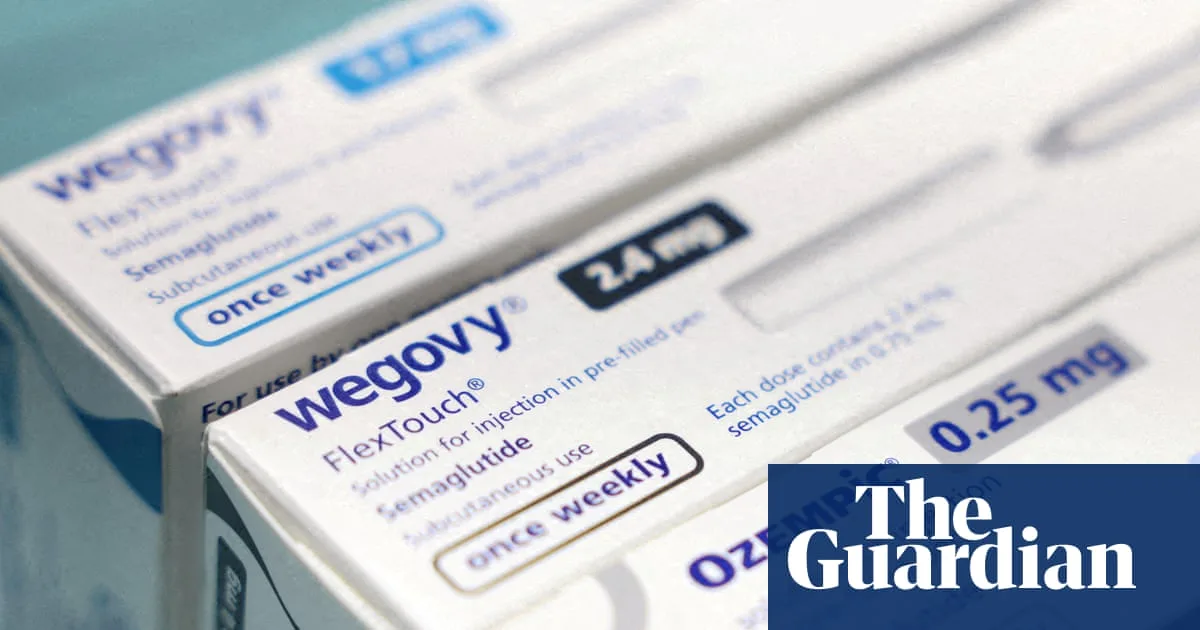
Several US states and cities have begun restricting or eliminating Medicaid coverage of GLP-1 weight-loss drugs such as Ozempic and Wegovy, as public spending on the medications has surged. As of January, California, New Hampshire, Pennsylvania and South Carolina ended coverage for weight loss, while Michigan now limits it to people classified as morbidly obese. Rhode Island’s governor has also proposed ending coverage.
The pullback follows a dramatic increase in spending on these drugs, which rose from $13.7bn in 2018 to $71.7bn in 2023 – a 500% increase, according to a report in JAMA. In Pennsylvania alone, Medicaid spending on GLP-1 drugs reached $1.3bn in 2025, double the previous year. New York City’s health insurer stopped covering the drugs for city employees in 2025, and Boston is considering similar limits due to an insurance rate hike largely driven by the drug costs.
The cuts come as many states face a budget crunch from the One Big Beautiful Bill Act, which will cut federal Medicaid funding by $665bn over the next decade. Dr Matthew Klebanoff of the Perelman School of Medicine said: “I imagine any state that is covering these medications is having conversations about whether they will be able to continue.”
Critics argue that dropping coverage may provide short-term fiscal relief but will lead to higher long-term health costs. Pennsylvania state representative and physician Arvind Venkat said the state was “essentially allowing people to be much sicker than they should be before we allow them access to a medication which has been shown to be safe”.
The US obesity rate has fallen from 40% in August 2023 to 37% in 2025, according to Gallup, partly attributed to GLP-1 drugs. However, access is now narrowing for low-income patients. Alexa Canciello, a 23-year-old Medicaid recipient with autism, lost nearly 30lb on Zepbound before coverage ended in January. Her father Rich said the injections now cost more than $400 a month, forcing a switch to a cheaper oral version.




