American Pet Owners Flock to Mexico for Affordable Veterinary Care
As veterinary costs in the United States continue to skyrocket, a growing number of American pet owners are looking south of the border for more affordable healthcare options for their furry companions. Cities like Tijuana, Los Algodones, and Cancun have emerged as hubs for this cross-border pet care trend, offering significant savings on procedures that can be prohibitively expensive in the US.
The High Cost of Pet Care in the United States
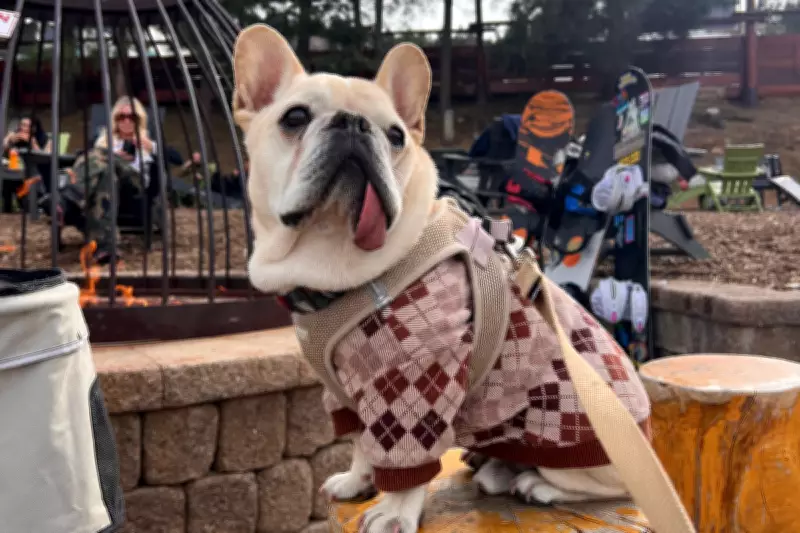
According to the Bureau of Labor Statistics, prices for veterinarian services in the US have surged by over 300 percent in the last three decades. With approximately 95 million American households owning pets, this steep increase has placed a substantial financial burden on many families. For instance, Page Ryland, a 27-year-old personal assistant from Los Angeles, was once quoted a staggering $22,000 for nasal passage correction surgery for her French Bulldog, Brody.
"French Bulldogs are notorious for hurting the wallet," Ryland told The Independent. "I remember there being times where I would get the vet bill after Brody had one of his many medical issues and thinking, 'oh, my God, this is going to actually set me back.' I mean, I'm talking like my entire paycheck and then some."

Discovering Affordable Alternatives in Mexico
The search for cost-effective solutions has led many pet owners to Mexico. Anna Ginsky, a 42-year-old former barista from San Diego, California, faced a similar dilemma when her terrier mix, Ellie, needed a teeth-cleaning in 2014. Her local vet quoted over $2,000 in out-of-pocket costs, but a friend suggested exploring options in Tijuana, where dental care for humans is already popular.
After researching online, Ginsky found a dog dentist in Tijuana who performed dental cleaning, extractions, and bloodwork for around $400. "That first experience made me feel really good," Ginsky said. "I was like, 'Oh shoot, I can say yes to everything.' I don't have to dread the vet because I know that I'm not gonna drain my whole savings account here."
The Rise of Cross-Border Pet Medical Tourism
This trend is not isolated. Data from SENASICA, an agency under Mexico's Ministry of Agriculture, shows that over 33,500 pets crossed into Mexico from the US in 2023, marking a 68 percent increase in just four years. Similarly, over 550,000 US citizens traveled to Mexico for dental procedures in 2024, according to Patients Without Borders, highlighting a broader pattern of medical tourism that now extends to pets.
Mexican clinics often feature US-grade medical equipment and bilingual staff, making them attractive to American clients. Consulting firm Grand View Research notes that procedures, including veterinary care, can be thousands of dollars cheaper in Mexico compared to the US.
Logistical Support and Growing Business Opportunities
Inspired by her positive experience, Anna Ginsky founded MexiVet Express in 2018 to facilitate cross-border pet care. The company offers packages that include animal transportation and translation services between Mexican vets and American owners. No pet passports or insurance are required; only proof of vaccines and a CDC dog import form, which the company assists with, are needed.
MexiVet Express now employs 15 full-time staff, with seven drivers shuttling dogs between San Diego and Tijuana. They transport three to five animals per trip, making several journeys daily and operating at near-full capacity. "If somebody wants to use a vet in Mexico or Tijuana they definitely need to do their research," Ginsky advised. "The good thing is that we've done that work for you."
The success of MexiVet Express has spurred competition, with services like PetMex International emerging. Founded by two former MexiVet employees, PetMex offers "white glove cross border home-to-clinic pet transportation" and promises savings of up to 90 percent off traditional vet bills. Ginsky has also noted smaller, sole proprietors entering the market, driven by the demand for affordable pet care.

Concerns and Opposition from Veterinary Associations
Despite the growing popularity, the American Veterinary Medical Association (AVMA), which represents 111,000 US vets, strongly opposes the practice. AVMA president Dr. Michael Q Bailey warned, "The initial savings may be appealing, but there are often hidden costs and risks that deserve careful consideration." The association points out that only one veterinary school in Mexico meets US accreditation standards.
However, pet-related horror stories remain extremely rare, and many owners, like Page Ryland, are willing to take the chance for substantial savings. "If that same surgery could be done the same way in Tijuana, or anywhere in Mexico, hopefully for less than half the price... I would 100 percent go down there," Ryland said. "I'd just have to figure out the logistics."
With veterinary costs in the US showing no signs of slowing down, the trend of seeking affordable pet care in Mexico is likely to continue, offering a lifeline to pet owners struggling with exorbitant bills.