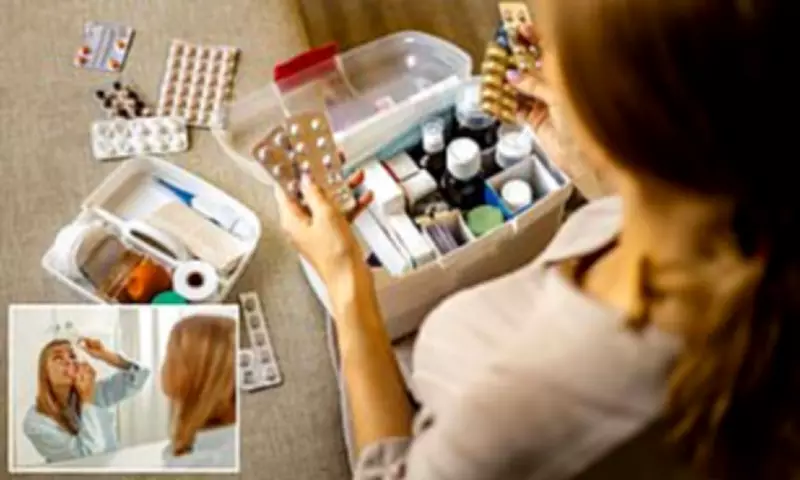
Experts Urge Urgent Clean-Out of Medicine Cabinets to Prevent Health Risks
When was the last time you thoroughly cleaned out your medicine cabinet? For most people, the answer ranges from "can't remember" to "never." Millions of Americans are holding onto leftover capsules, creams, and drops, both prescription and over-the-counter, long past their expiration dates. However, experts strongly recommend conducting an urgent review of your supplies, as keeping expired medications, unused opioids, or redundant treatments does more than just clutter your home—it poses serious health hazards.
The Dangers of Expired Medications
Expired drugs may lose their effectiveness over time, leading to inadequate treatment. For minor issues like headaches or seasonal allergies, this might mean less relief than expected. But for serious conditions such as heart or seizure medication, or an EpiPen, using a weakened version could have severe consequences. Beyond reduced potency, some medications can become harmful as they degrade. Active ingredients can break down into new compounds, some of which may be toxic or irritating.
For example, tetracycline antibiotics, used to treat bacterial infections, can produce a degradation product called anhydrotetracycline over time, linked to a rare but serious kidney condition known as Fanconi syndrome. Liquid medications like syrups are especially prone to bacterial growth once opened, as preservatives degrade, potentially introducing infections into the eyes, ears, or digestive system.

Risks of Leftover Antibiotics
Many people keep "leftover" antibiotics for a "just in case" scenario, but this practice is highly risky. Antibiotics are not interchangeable; each is designed to target specific families of bacteria. Using the wrong antibiotic, such as taking cephalexin for strep throat when it was prescribed for skin irritation, can lead to prolonged infections or more serious complications like pneumonia or kidney issues.
The greatest concern is antibiotic resistance, a growing public health threat where bacteria evolve to evade antibiotics, making infections difficult or impossible to treat. In the US, over 2.8 million antibiotic-resistant infections occur annually, resulting in more than 35,000 deaths, often due to inappropriate antibiotic use.
Hazards of Old Opioids
Unused opioids, such as hydrocodone or oxycodone leftover from dental procedures or surgeries, are among the most dangerous items to store at home. Nearly half of those who misuse prescription pain relievers obtain them for free from friends or relatives, often from medicine cabinets. Approximately 60% of people prescribed opioids keep unused pills for future use, meaning millions of homes harbor drugs that can lead to addiction, overdose, or death if misused.
Risks extend beyond intentional misuse; children might mistake pills for candy, teens could experiment, or guests might take them without permission. Even sharing pills with someone in pain is illegal and dangerous, as incorrect dosing or interactions with other medications can be fatal.
Issues with Redundant Laxatives
An overload of laxatives in medicine cabinets can create confusion and a dysfunctional relationship with digestion. Most over-the-counter laxatives are meant for occasional use; chronic use, especially of stimulant types, can worsen constipation over time, leading to dependency, dehydration, electrolyte imbalances, and colon damage. If you have multiple laxatives, it may indicate an unresolved underlying issue, and consulting a doctor is advised to address causes like diet or medication side effects.
Dangers of Old Eye Drops
Old non-prescription eye drops, such as those for redness or allergies, pose significant contamination risks. Preservative-free drops can harbor bacteria within weeks of opening, while preserved ones lose antimicrobial effectiveness over time. Using these drops can introduce infections ranging from mild irritation to corneal ulcers that may cause blindness. Experts recommend discarding old eye drops and purchasing new ones as needed.

Safe Disposal Recommendations
The best way to dispose of medications is through drug take-back programs, like the one scheduled for April 30. A clean medicine cabinet is a safe one; if it has been over a year since your last thorough check, now is the time to act. Always keep medications out of reach of children and pets, and store opioids securely to prevent access.