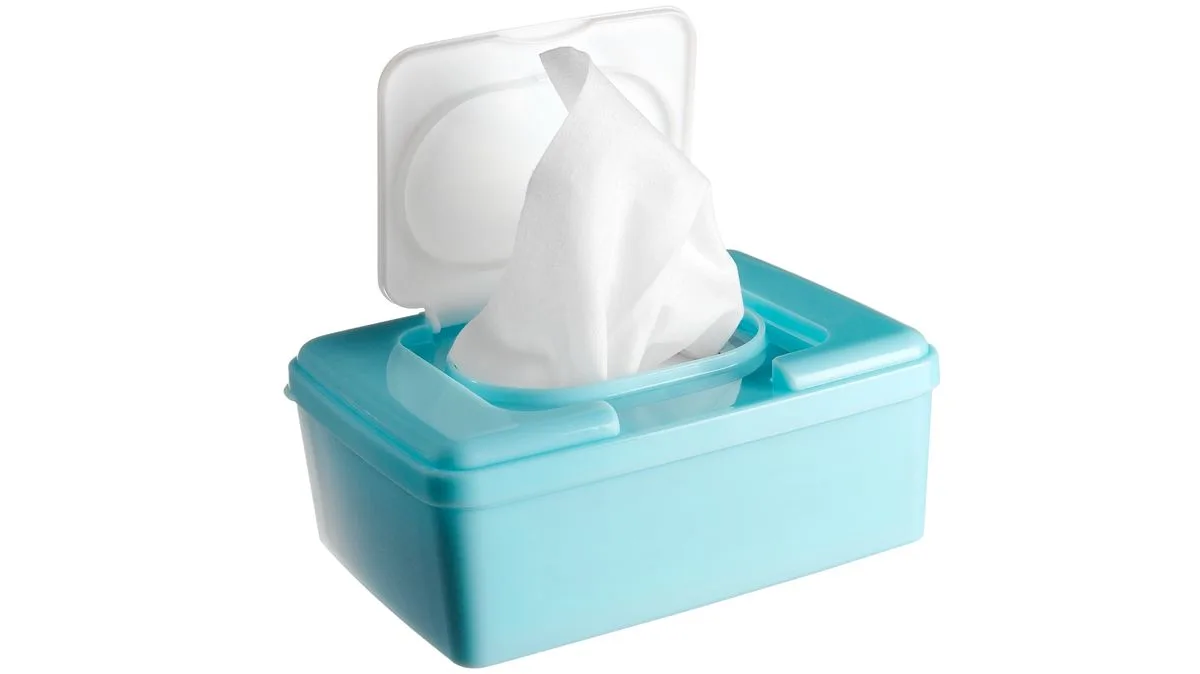
UK Health Authorities Issue Urgent Warning on Contaminated Wipes
The UK Health Security Agency (UKHSA) and Medicines and Healthcare products Regulatory Agency (MHRA) have issued a critical public health alert, urging citizens to immediately stop using four specific brands of non-sterile alcohol-free wet wipes. This urgent warning comes after laboratory testing confirmed these products are contaminated with Burkholderia bacteria, a potentially deadly pathogen that has been directly linked to 62 reported illnesses and six tragic deaths across the United Kingdom.
Outbreak Timeline and Product Identification
In a stark social media post on March 12, 2026, the UKHSA explicitly stated: "Burkholderia found in certain wipes. #Burkholderia is a bacteria that rarely causes harm in healthy people but sometimes causes serious infections, particularly for those with certain medical conditions or managing IV lines at home." The agency emphasized that these contaminated products should not be used under any circumstances and must be disposed of immediately if discovered in homes or first aid kits.
During extensive outbreak investigations conducted throughout 2025, health authorities identified the following four products as contaminated with Burkholderia strains:
- ValueAid Alcohol Free Cleansing Wipes
- Microsafe Moist Wipe Alcohol Free
- Steroplast Sterowipe Alcohol Free Cleansing Wipes
- Reliwipe Alcohol Free Cleansing Wipes (testing revealed contamination with a Burkholderia strain not related to the outbreak cases)
Epidemiological Details and Ongoing Risks
The bacterial outbreak, which began in January 2018 and officially lasted until February 3, 2026, has resulted in 59 confirmed cases of Burkholderia stabilis infection directly linked to these non-sterile alcohol-free wipe products. While new cases have significantly decreased, authorities note that sporadic infections continue to be identified, with some patients requiring intensive hospital treatment. One death has been specifically attributed to Burkholderia stabilis infection, though the total outbreak death toll stands at six.
Burkholderia stabilis is an environmental bacterium that typically poses minimal risk to healthy individuals. However, it presents a serious threat to vulnerable populations, including people with compromised immune systems, those with underlying health conditions such as cystic fibrosis, and patients utilizing intravenous lines at home. Importantly, there is no evidence of person-to-person transmission of this bacterial strain.
Regulatory Actions and Public Guidance
The MHRA initiated regulatory measures in July 2025 by issuing formal notices to retailers, prompting the removal of these contaminated products from the market. Despite these efforts, authorities warn that some wipes may still be present in household first-aid kits and medical supplies. The UKHSA strongly advises all citizens to thoroughly inspect their homes, particularly first-aid supplies, for any of the identified products.
If discovered, these wipes must be immediately discontinued and disposed of with regular household waste. The agency's message is unequivocal: "If you own any of these wipes, we remind you to stop using them. These products should not be used, please check your first aid kits and if you find any, dispose of them."
Infection Symptoms and Medical Response
Symptoms of Burkholderia stabilis infection vary significantly depending on the infection site and severity. For wound infections, indicators include redness, swelling, increased pain, warmth around the affected area, and pus or unusual drainage. Infections involving intravenous lines may manifest as redness, swelling, or pain at the insertion site, accompanied by fever and chills.
In severe cases, the infection can progress to bloodstream infection (sepsis), which presents with potentially life-threatening symptoms such as confusion, skin rashes, and breathing difficulties. The UKHSA provides clear medical guidance: individuals with concerns about non-healing wounds or fever following injury should "contact NHS 111 immediately." Patients with intravenous lines experiencing any concerning symptoms should promptly contact their healthcare team for evaluation and treatment.




