UK's Weight-Loss Drug Black Market Warning: 'Wild West' Poses Public Risk
UK Weight-Loss Drug Black Market Warning: 'Wild West' Risk

UK's Weight-Loss Drug Black Market Warning: 'Wild West' Poses Public Risk

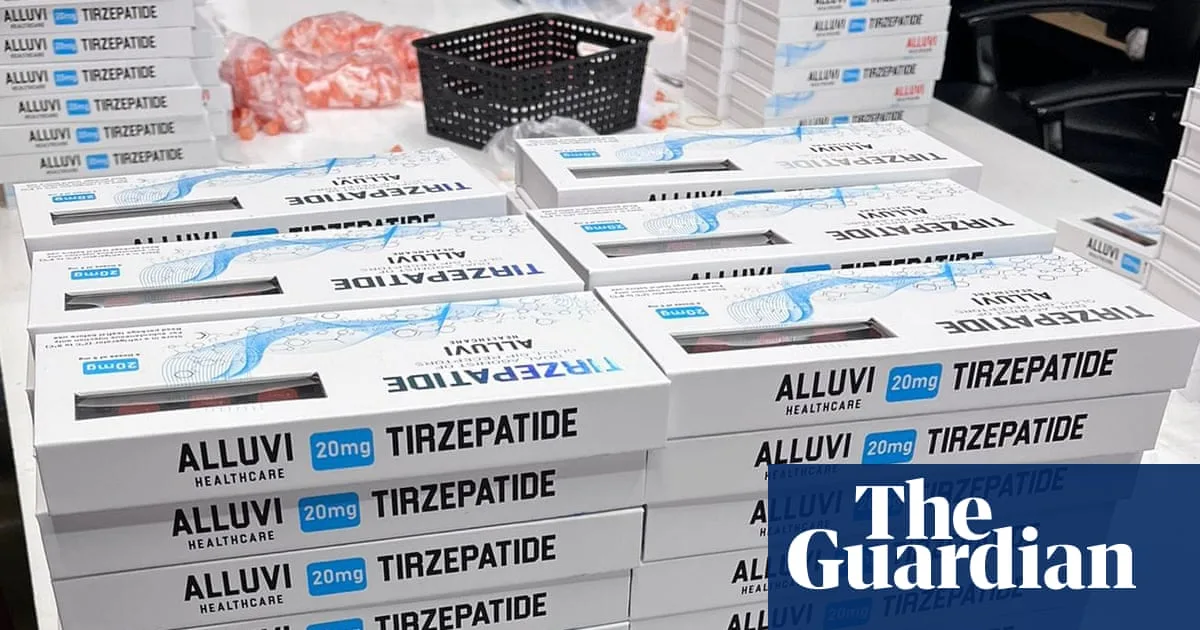
Regulators have issued a stark warning that the public is "at risk" due to the rapidly expanding black market for weight-loss drugs and illegally traded medicines in the UK. With over 1.5 million people using such medications, the soaring popularity of these so-called miracle drugs has been matched by a surge in criminal availability, creating what officials describe as a "wild west" unregulated market.

Seizures and Safety Concerns

The Medicines and Healthcare products Regulatory Agency (MHRA) seized nearly 20 million doses of illegally traded medicines in 2025 alone, with a potential street value approaching £45 million. Over the last three years, 81,000 doses of GLP-1 drugs—a class of weight-loss injections like Mounjaro and Wegovy—were confiscated. Andy Morling, head of the MHRA's criminal enforcement unit, revealed that 99 times out of 100, these products are genuine, but this does not guarantee safety.

"That doesn't make it safe, it hasn't been produced in accordance with manufacturing processes," Mr Morling told a Health and Social Care Committee meeting. "The sterility is questionable, the dosage is questionable." He estimated that seizures represent only about 10% of the total problem, with profit margins for black-market medicines rivalling those of cocaine and heroin.

Wide Pickt banner — collaborative shopping lists app for Telegram, phone mockup with grocery list

Fatal Consequences and Blurred Lines

The dangers are not theoretical. Committee chair Layla Moran cited the tragic case of 53-year-old Karen McGonigal, whose death in May last year occurred days after she was illegally administered a dose of semaglutide by a local Botox provider. An investigation with Greater Manchester Police is ongoing. "If we don't get to the bottom of this wild west unregulated market, everyone is at risk," Moran warned.

Mr Morling highlighted that the lines between medical and cosmetic treatments are becoming "blurred", with people often unaware they are purchasing from the black market. Weight-loss drugs are sourced from unregulated suppliers like beauticians and social media platforms, bypassing the MHRA's strict safety and quality standards. These drugs are prescription-only and should only be accessed via doctors or qualified healthcare professionals.

Regulatory Challenges and Public Education

Despite the MHRA having 55 officers who "proactively patrol" the internet for illegal sellers, only half a dozen staff are dedicated to monitoring offending social media posts. Mr Morling acknowledged limitations, stating, "I think ultimately it's a social media company to determine whether to take these things down or not... We can ask them to, we can't compel them to."

He described a "spectrum" of sellers, from illegal online operators to genuine prescribers, with criminals often posing as legitimate pharmacies. "It's difficult for the public to tell the difference sometimes between the two," he admitted. The MHRA has also seized 900 fake pens containing insulin that "could have killed people," and criminals have evolved from selling unlabelled vials to manufacturing their own branded products.

Moving Beyond Enforcement

Mr Morling emphasised that arrests alone are insufficient. "We cannot arrest our way out of this; it's about educating the public," he asserted. He reassured the committee that the MHRA remains "fit for purpose" and is "leading the way globally" in tackling the weight-loss drug black market. However, the crisis underscores the need for heightened awareness and cooperation to protect consumers from this growing threat.

Pickt after-article banner — collaborative shopping lists app with family illustration




