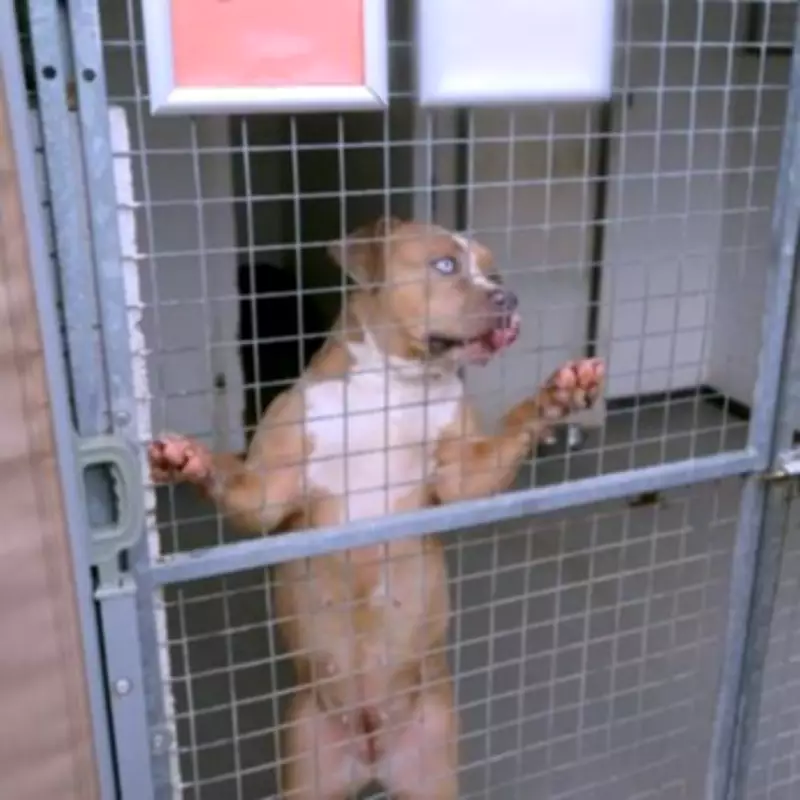
The Overwhelming Reality of UK Kennels Housing Seized XL Bullies
Behind locked gates and towering metal fences, the cacophony is unceasing. Workers are met with a relentless wall of barking from hundreds of seized or abandoned dogs, a direct consequence of the XL bully ban implemented in 2024. This is the heartbreaking reality inside Britain's specialist dog kennels, where facilities are operating at maximum capacity, and staff warn the situation has deteriorated sharply since restrictions were introduced.
Full Capacity and Rising Pressures
Rows of metal cages, constant noise, and no vacant spaces define these kennels. At one privately managed site, approximately 120 dogs are held at any given time, with teams frequently dispatched to assist police following attacks on individuals. Across multiple locations run by the same company, this number escalates to over 500, the majority linked to the banned breed. A manager revealed, "We're always full. There isn’t a time when kennels are empty anymore." The surge in dogs being seized or surrendered has placed mounting strain on police forces and kennel providers across England and Wales, who rely on private facilities to house animals involved in criminal investigations or attacks.
Shift in Dog Profiles and Legal Challenges
Staff report a significant shift in the types of dogs housed. Previously, many animals were low risk, but now a greater proportion are classified as highly aggressive or dangerous. Each dog undergoes assessment and receives a grading based on behaviour and history, with records noting previous incidents. Signs on cages detail risk levels, some describing dogs as "dangerously out of control" or capable of causing severe injury. In legal cases, dogs must remain in kennels until proceedings conclude, sometimes for months, reducing capacity further. Policing leads note a sharp rise in dangerous dogs held, driving up costs and limiting space.

Stressful Environment and Tragic Incidents
The kennels, while secure and monitored, create a stressful environment for animals. Many dogs display signs of anxiety, such as pacing, continuous barking, or aggressive reactions to movement. Some enclosures are partially covered to minimise stimulation for highly reactive dogs. Staff admit managing behaviour is an ongoing challenge, exacerbated by the volume of animals. Certain periods, like school holidays, see increased attacks, adding strain to resources. In a recent 48-hour span, teams nationwide responded to dozens of incidents, often involving XL bully-type dogs. Tragically, attacks can be fatal, as seen in the case of John McColl, 84, who died after an XL bully attack in Warrington last year.
Abandonment and Uncertain Outcomes
Alongside seizures, kennels face a rise in abandoned dogs. Some owners have relinquished pets due to stricter rules requiring registration, insurance, muzzling, and neutering, while others fail to comply, leading to removals. Animal welfare figures indicate a significant uptick in XL bully abandonments since the ban. For seized dogs, outcomes hinge on legal results—they may be returned or destroyed. Abandoned dogs have limited holding periods; for banned breeds, rehoming is illegal, leaving euthanasia as the sole option if unclaimed. Staff describe these decisions as among the most difficult aspects of their work.
Future Concerns and Systemic Struggles
Officials warn the crisis may worsen as younger dogs mature, with workers struggling to balance public safety and animal welfare. Police caution that dog attacks could rise short-term, and campaigners debate whether current legislation adequately addresses root causes, with some advocating for stricter ownership controls. Kennels remain under sustained pressure, with increasing demand, limited space, and complex legal processes straining the system. Behind secure fencing, hundreds of dogs are housed in close quarters, many for extended periods, as authorities navigate this challenging landscape. Those in the sector emphasise that the challenges are far from over, with no immediate reduction in numbers expected.