Insect Bites Become Growing UK Health Concern as Climate Changes
Insect bites and stings are no longer merely a holiday nuisance but are transforming into a significant domestic health concern across the United Kingdom. According to chemist and natural health expert Dr Tim Bond, shifting climate patterns are fundamentally altering the landscape of insect threats that British residents now face.
Climate Change Drives Insect Proliferation
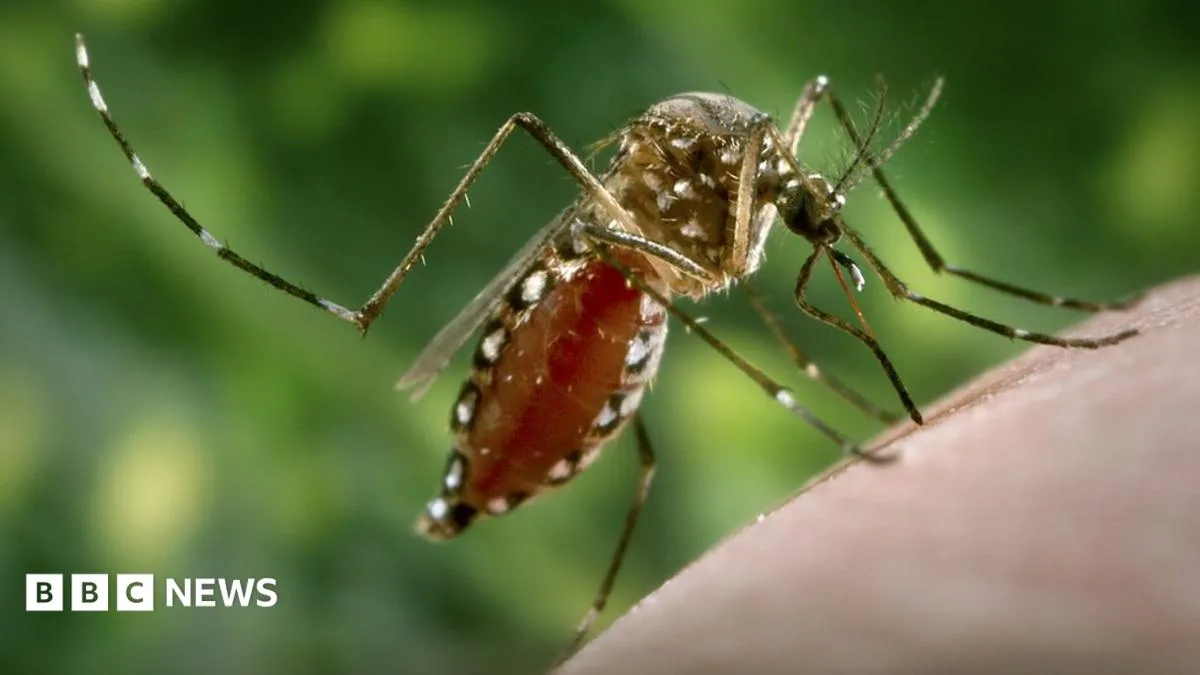
Dr Bond, who represents Puressentiel—a range of plant-based wellness products available at Holland & Barrett—explains that changing weather conditions are directly responsible for increased insect activity. "In previous decades, bites and stings were primarily concerns for international travellers," he states. "While global diseases like Zika, malaria, dengue fever, chikungunya and yellow fever remain prevalent worldwide, bites from mosquitoes, midges, ticks and spiders have become a mounting threat right here in Britain. This escalation is largely attributable to climate change."
The expert elaborates that milder winters, warmer summers and increased rainfall are creating ideal breeding conditions for numerous insect species. Consequently, many insects are appearing earlier in spring and persisting well into autumn, extending the traditional biting season significantly.
Public Health Response to Tick Threats
Recognising the growing danger, health authorities have initiated monitoring programmes. Dr Bond highlights that "Public Health England has introduced a national Tick Surveillance Scheme (TSS) to monitor tick distribution and seasonality on a nationwide scale. This is crucial because ticks carry bacteria linked to Lyme disease, which can cause flu-like symptoms and potentially lead to more serious complications."
Six Expert Tips for Prevention and Protection
Dr Bond has compiled six essential recommendations to help the public prevent bites and stings during this extended insect season.
1. Repel with Clinically Backed Essential Oils
The expert advises swapping traditional DEET-based sprays for proven plant-based alternatives. "Studies demonstrate that Java citronella oil effectively repels mosquitoes, while Eucalyptus citriodora works against Anopheles gambiae, the mosquito species that spreads malaria," he explains. These ingredients are combined with other essential oils in products like Puressentiel’s Bite & Sting Repellent & Soothing Spray, offering up to eight hours of protection against mosquitoes, other biting insects, sandflies and ticks.
"Natural solutions are preferable because they avoid the strong, often unpleasant odour associated with DEET-based repellents," Dr Bond adds. "Furthermore, synthetic products can be neurotoxic and irritating at high doses, while at lower doses they frequently offer only very short-term effectiveness."
2. Dress Smart for Insect Protection
Clothing choices significantly impact your likelihood of being bitten or stung. Dr Bond recommends lightweight, long-sleeved garments as your best defence during warmer weather. He suggests opting for breathable fabrics like cotton or linen, and choosing pale colours that are less attractive to insects compared to darker shades.
3. Avoid Peak Mosquito Hours
"Mosquitoes are most active at dawn and dusk," the doctor notes. "If you exercise outdoors, consider scheduling workouts for late morning or afternoon instead, or move indoor during these peak biting times."
4. Protect Your Home from Insect Intrusion
Open windows during warmer months can invite unwanted insect visitors. Dr Bond advises installing fly screens, using natural room sprays or diffusers, and dimming evening lights to reduce insect attraction to your living spaces.
5. Soothe Bites Naturally When They Occur
If bites do happen, plant-based ingredients can help calm irritation and soothe itching. Dr Bond points to products like Puressentiel Bite & Sting Multi-Soothing Cream, which features a 99.8% natural formula shown to reduce inflammatory allergic reactions by 35%. The cream contains eight organic essential oils including Tea Tree, Clove, Geranium, Lavandin grosso, True Lavender, Lemongrass, Peppermint and Niaouli.
6. Be Mindful That Perfume Attracts Insects
"Applying perfume might be a daily ritual, but it could inadvertently attract insects," Dr Bond cautions. "Insects are drawn to strong perfumes, fragranced body lotions and even some scented shampoos, so consider fragrance-free alternatives during high-risk periods."
As climate patterns continue to evolve, Dr Bond's warnings underscore the importance of adapting personal protection strategies to address the growing insect threat within the United Kingdom's changing environment.






