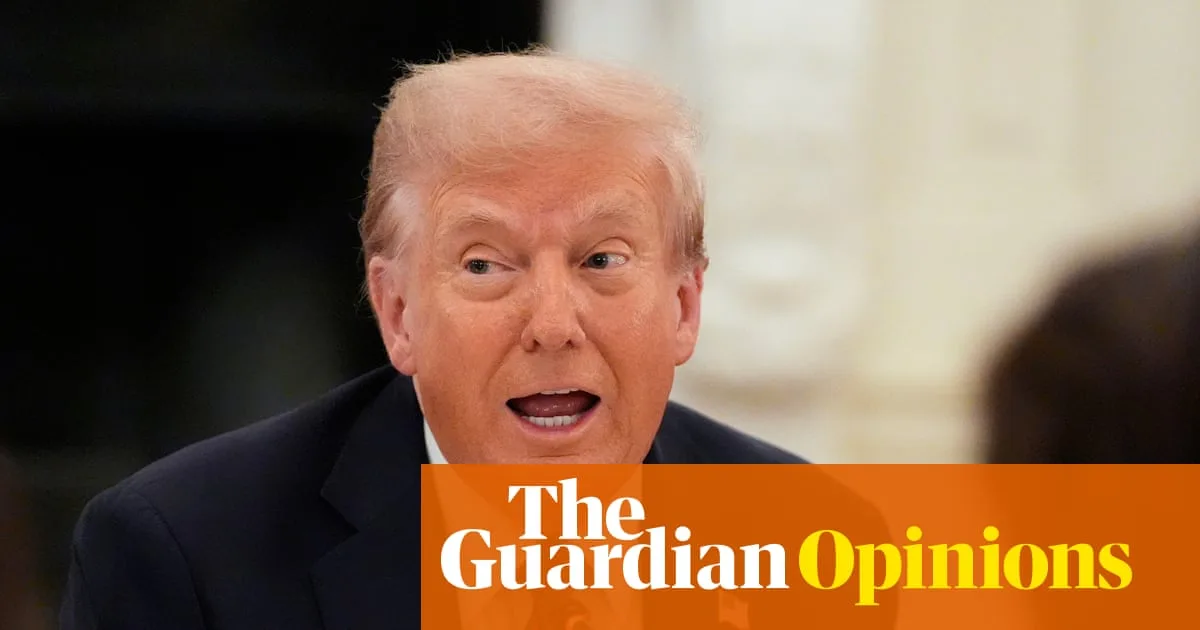
Questions are mounting over Donald Trump's health after the former president vanished from public view for several days, with only sporadic social media posts and blurry golf course images to confirm his whereabouts. The lack of transparency has drawn criticism from media observers, who note that major news outlets gave scant attention to the episode, despite Trump's known health issues including swollen ankles, an uneven gait, bruised hands, and verbal confusion.
Jon Passantino of the media newsletter Status questioned why the biggest newsrooms remained silent, with no front-page write-ups or broadcast packages. The contrast with the media's intense coverage of Joe Biden's age-related decline—which came only after a disastrous debate performance—has been stark. Critics argue that the press is repeating past failures to report on presidential health, as seen with the Biden administration's efforts to obscure his decline.
Social media erupted with rumors over the Labor Day weekend, suggesting Trump had died or suffered a debilitating stroke. The Drudge Report ran the headline 'PRESIDENT HEALTH CRISIS DEEPENS,' while Trump's allies, including JD Vance, accused the media of lying. However, mainstream outlets largely avoided the story, with the New York Times eventually covering it obliquely, focusing on false death rumors rather than the lack of health information.
The White House has offered minimal explanation, citing chronic venous insufficiency for Trump's bruising and swelling, but downplaying the condition. No medical briefings were held after an assassination attempt last year. Press secretary Karoline Leavitt claimed Trump has been 'completely transparent about his health,' a statement widely disputed.
Media experts argue that evidence-based assessments of a president's health are fair game, especially when someone as omnipresent as Trump disappears from view. With Trump now 79, these questions are unlikely to fade, and the press faces renewed calls for rigorous, transparent reporting.