
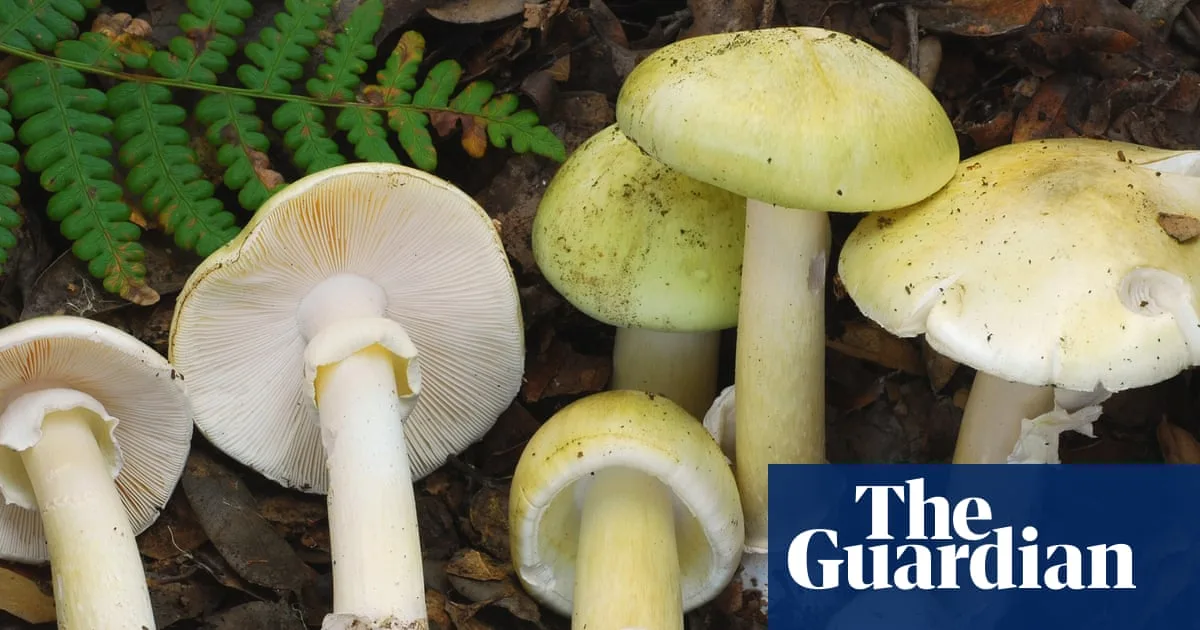
California has experienced an 'unprecedented' spate of toxic mushroom poisonings, with four deaths and 40 hospitalisations reported between late November 2025 and early February 2026. The state health department says this is far above the average of fewer than five cases annually.
The culprit is the death cap mushroom (Amanita phalloides), which resembles edible species and can be deadly even in small amounts. Victims include a couple of seasonal farm workers from Oaxaca, Mexico, and range in age from 19 months to 67 years. Several have required liver transplants.
The epicentre of the first 35 incidents was Salinas, a central coast town with a large population from central Mexico, where mushroom foraging is common. Experts believe people may have mistaken the death cap for edible Amanita species familiar in their home country. The state has issued a flyer with QR codes in nine languages, including Spanish, Mandarin, Mixteco, Russian and Ukrainian.
Rudy Diaz, mycologist with the Los Angeles Mycological Society, notes that experienced foragers are not panicking, but the public is on edge. Jess Starwood, an herbalist and forager, warns that death caps can grow up to six inches across and tall, with a greenish-grey cap and white gills. Eating half a cap or less can be fatal, with mortality rates up to 50%. The mushrooms are also deadly to dogs.
Climate change may be contributing to the problem, as wet winters bring more mushrooms, including nontypical species like death caps, to new areas. The western destroying angel (Amanita ocreata) is also highly toxic and common through April. Experts advise novice foragers to join local mycological societies or foraging groups to learn safe identification.




