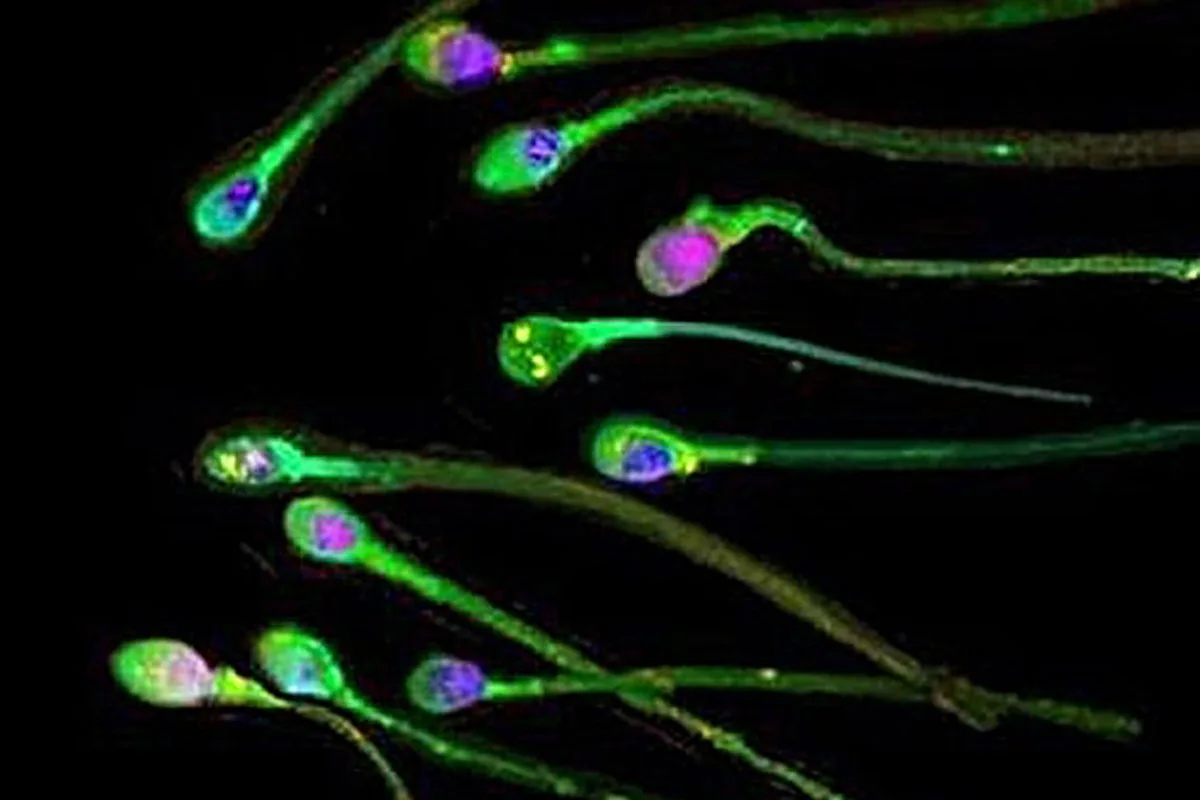
New Research Reveals Sperm Has a Use-By Date: How Abstinence Harms Male Fertility
While female reproductive biology is often discussed in terms of a biological clock, new research reveals that male fertility also has a critical time component. A comprehensive study demonstrates that sperm stored in the body deteriorates in quality, challenging long-standing advice about abstinence before conception attempts.
The Aging Process of Stored Sperm
Unlike women who are born with their lifetime supply of eggs, men produce sperm continuously from puberty onward. These sperm can be stored in the reproductive tract before ejaculation, meaning a man's chronological age doesn't necessarily reflect the age of his sperm. However, this storage comes at a significant cost to sperm quality.
Our investigation analyzed semen data from 115 published studies involving nearly 55,000 men, revealing that when men abstain from ejaculation, their sperm health declines substantially. Sperm motility - their ability to swim effectively - decreases significantly, while sperm viability drops and DNA damage increases.
Two Primary Mechanisms of Deterioration
Researchers identified two key biological processes driving this deterioration:
- Oxidative stress - a form of biological "rust" that accumulates in stored sperm, causing physical damage to cellular structures
- Energy depletion - unlike most cells, sperm are highly active but have limited capacity to replenish their energy reserves, essentially running out of fuel during extended storage
These findings directly challenge conventional fertility advice. Men attempting to conceive are often told to remain sexually abstinent for several days to build up sperm count. While abstinence does increase sperm quantity, our research shows it comes at the expense of sperm quality.
Implications for Fertility Treatments
The World Health Organization currently recommends abstaining from ejaculation for two to seven days before providing sperm samples for analysis or fertility treatments like IVF. However, our findings suggest shorter periods may produce better quality sperm.
This supports recent discoveries that ejaculating within 48 hours of providing samples improves IVF treatment outcomes compared to longer abstinence durations. The research also aligns with evolutionary biology hypotheses suggesting frequent ejaculation through masturbation may have adaptive benefits by flushing out damaged, stored sperm.
Cross-Species Evidence of Sperm Deterioration
To determine whether sperm deterioration during storage represents a widespread biological pattern, researchers examined data from 56 studies across 30 different animal species, including birds, bees, reptiles, and other mammals. The pattern held true across species - sperm quality consistently declined during storage.
Interestingly, sperm deteriorated at a slower rate inside females than inside males. This likely results from females in several species evolving specialized organs that secrete antioxidants, substances that nourish and protect stored sperm, effectively extending their functional lifespan.
A Simple Intervention for Improved Fertility
While many fertility challenges stem from factors beyond individual control - including environmental toxins, stress, and genetics - sperm storage duration represents a modifiable factor. Using freshly ejaculated sperm for fertilization could provide a meaningful boost to fertility outcomes by improving sperm quality.
The research clearly demonstrates that sperm, much like eggs, have a "use-by date" after production. When stored for too long before fertilization, whether inside males or females, sperm deteriorate in quality, reducing embryo survival chances. This deterioration may result not only from DNA damage but also from altered gene expression profiles in stored versus freshly produced sperm.
As sexual activity declines globally, especially among younger populations, and parenthood continues to be delayed, understanding these dynamics becomes increasingly important for addressing worldwide fertility challenges.