
NHS Issues Warning on Heat Stroke Signs Amid UK Heatwave
With temperatures forecast to reach 34°C in parts of southern England this weekend, the Met Office has issued an amber extreme heat warning for parts of the UK. The alert indicates potential health impacts for vulnerable people and heat-related issues for the wider population. The NHS is urging Brits to recognise the signs of heat exhaustion and heat stroke to prevent serious medical emergencies.
Six Signs of Heat Stroke to Watch For
According to the NHS, heat stroke is a serious condition that requires immediate medical attention. The six signs include:
- A very high temperature
- Hot skin without sweating
- Fast breathing and a fast heartbeat
- Confusion and restlessness
- Seizures
- Loss of consciousness
If someone shows any of these symptoms, the NHS recommends calling 999 immediately.
Heat Exhaustion Symptoms and First Aid
Heat exhaustion, which can usually be treated at home, includes symptoms such as fatigue, dizziness, headache, nausea, excessive sweating, cramps in limbs and stomach, intense thirst, and irritability. The NHS advises moving the person to a cooler place, removing unnecessary clothing like jackets or socks, and giving them water or isotonic sports drinks to replace lost salts. Cooling the skin with a spray or cold packs on the armpits or neck can also help.
When to Seek Emergency Help
The NHS says heat exhaustion does not usually need emergency care if the patient can be cooled down within 30 minutes. However, if they do not improve after 30 minutes of rest in a cool place and drinking fluids, or if they develop signs of heat stroke, call 999.
Preventative Measures During a Heatwave
To avoid heat-related illness, the NHS recommends drinking more cold drinks than usual, especially during exercise, wearing light-coloured loose clothing, avoiding the sun in the middle of the day, and avoiding alcohol or extreme exercise.
Why Heat Stroke Occurs: Expert Insight
Dr Olivia Buckley, GP at Nuffield Health, explains: “Heat exhaustion occurs when your body overheats and loses excessive water and salt through sweating. The main symptoms are dizziness, fainting, feeling like your heart’s racing, an intense thirst and sometimes nausea and vomiting.” She adds that heat stroke is “essentially when your brain just gets too hot, runs out of energy, so you get extreme headache and get confused. Your body will divert all its attention to its vital organs, so you stop sweating and get very rapid heart rate and may start vomiting and lose consciousness.”
Keeping Cool During the Heatwave
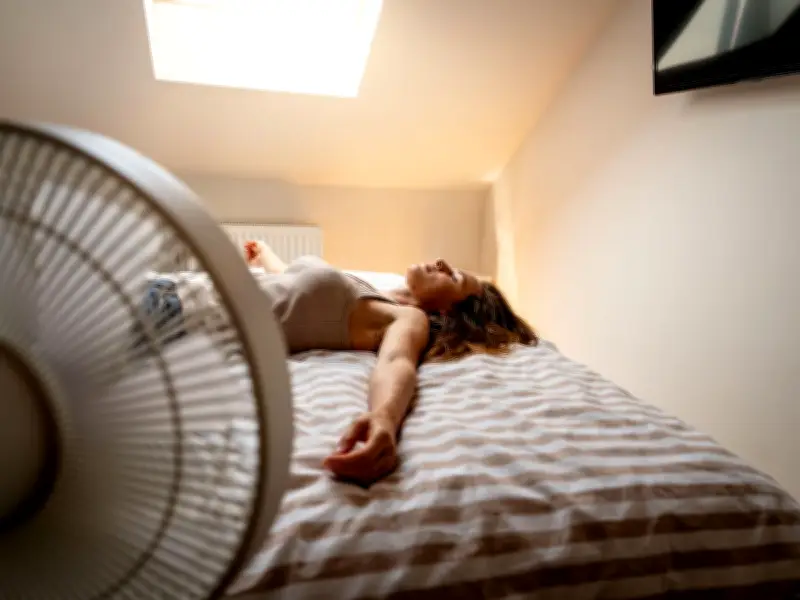
Dr Buckley advises keeping environments cool by closing curtains and blinds on sun-facing windows, and opening windows only when outside air is cooler than inside, typically at night or early morning. She stresses staying hydrated, especially for vulnerable groups like the elderly and infants, and wearing minimal clothing made of natural fibres. Using a fan helps sweat evaporate, and drinks with electrolytes can replace lost salts. “When you’re feeling hot and tired, try to listen to your body and slow down,” she recommends.




