

Sister's Heartbreak Over Stalled Assisted Dying Legislation
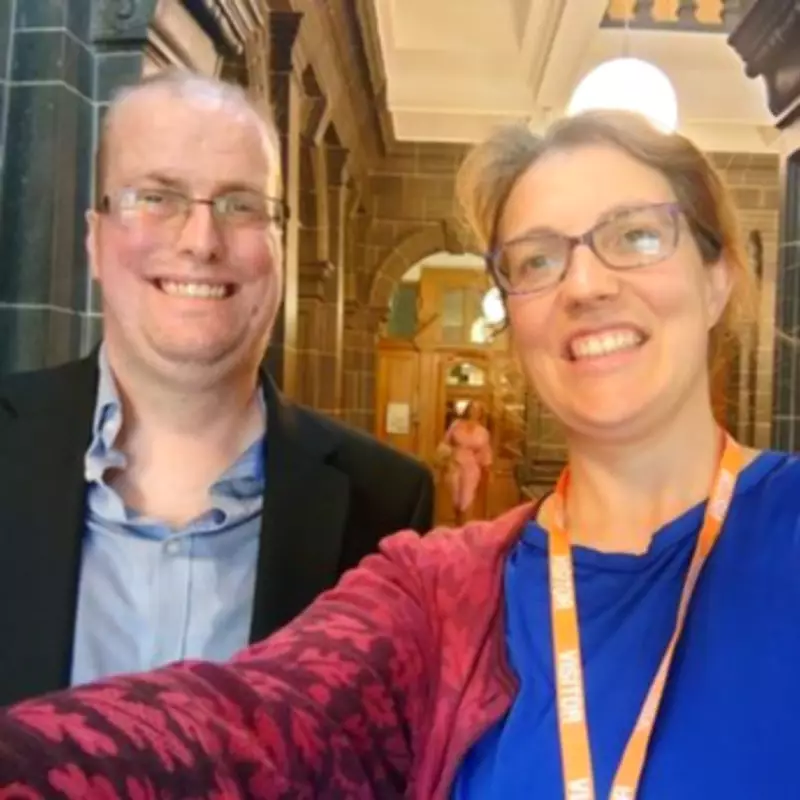
Becky Scott, whose younger brother Nathaniel Dye died from cancer in January at age 40, has expressed profound feelings of betrayal as plans to legalise assisted dying appear set to collapse due to parliamentary delays. Ms Scott revealed that her brother, a passionate campaigner for the law change, would have been "extremely angry" to know the proposals will not become law.
Historic Vote Followed by Lords Stalemate
In a landmark decision last year, Members of Parliament voted to legalise assisted dying by 314 to 291, creating a majority of 23 votes. Nathaniel Dye, who spoke multiple times with The Mirror about his campaign, celebrated what he called a "momentous" result at the time. However, the legislation has since become mired in the House of Lords, where a small group of opposing peers have been accused of filibustering tactics designed to waste debate time and prevent the bill's progress.
The Terminally Ill Adults (End of Life) bill, introduced by Labour MP Kim Leadbeater, is expected to run out of parliamentary time when the current session concludes next month. Ms Scott stated: "I feel betrayed by the system really, that people are kind of able to serve their own agendas rather than being representative of the people in the general population."

Nathaniel's Final Days and Campaign Legacy
In an emotional interview, Becky Scott described her brother's final moments and how access to assisted dying could have alleviated his fear. "He was still very much enjoying life right up until the end but I know he was scared," she explained through tears. "I think one of the very last things that he said was: 'I'm frightened.'"
While acknowledging her family was fortunate Nathaniel experienced a peaceful death, Ms Scott emphasized: "But I also know he, at that point, would absolutely not have wanted to be lying in that position, in the pain that he was in, as incapacitated as he was - and some people are in that position for months. I think the thought of being like that for a prolonged period of time would have been terrifying for him."
Legislative Details and Parliamentary Scrutiny
The proposed legislation would permit terminally ill adults in England and Wales with less than six months to live to request an assisted death, subject to approval by two doctors and a specialized panel including a social worker, senior legal figure, and psychiatrist. Despite receiving over 200 hours of scrutiny across both parliamentary chambers—more than most Government Bills—the bill faces significant obstacles.
Charity Dignity in Dying, which supports assisted dying, reports that just 1% of peers have consumed more than a third (34%) of speaking time, while only 790 of 1,283 proposed amendments have been debated.
Nathaniel Dye's Remarkable Life and Advocacy
Nathaniel Dye, from east London, battled stage 4 incurable bowel cancer that spread to his liver, lungs, and brain. He became a prominent voice for NHS reform and assisted dying, sharing his personal story of treatment delays in major speeches and party political broadcasts to support Labour's election efforts. His advocacy began when Labour was in opposition and later expanded to include work with Dignity in Dying.
Recognized for his campaigning, Nathaniel received an MBE in the 2025 New Year's Honours list. The former music teacher raised over £37,000 for Macmillan Cancer Support through extraordinary challenges, including completing the London Marathon while playing the trombone and walking from Land's End to John o' Groats.
Nathaniel passionately believed that offering terminally ill individuals the choice of assisted death represented a "compassionate" approach to preventing "horrific" deaths. As the youngest of five siblings, he demonstrated that supporting assisted dying did not equate to surrendering to death but rather providing options for those already facing mortality. His family emphasized: "Nat was, above all, about life and living."

Family Perspectives and Public Opinion
Becky Scott, a 42-year-old zookeeper from Newport, Wales, explained that Nathaniel understood he would not personally benefit from the legislation even if passed, given his limited time. "He, pretty much from day one, realised he was on limited time and he had to prove that just because he'd received a terminal diagnosis, that didn't mean his life was over," she said.
Ms Scott reflected that her brother would question what more he could have done to persuade peers to allow "dignified death" choices. "Whatever happens in May, he did everything he could. He's been an integral part of so much of the campaign," she stated, adding that her family remains immensely proud of his achievements.
Public support for assisted dying appears substantial, with Opinium's 2024 polling of over 10,000 UK residents indicating 75% support for legalisation. Prominent campaigner Dame Esther Rantzen, who joined Swiss assisted dying clinic Dignitas following a terminal lung cancer diagnosis, recently urged peers to pass the bill and prevent "a very small minority" from blocking it.
Political Divisions and Future Prospects
Opposition to the bill persists, with Labour MP Jess Asato arguing: "Any MP that voted to push this bill through would do so knowing that it is unsafe and would harm vulnerable people." Meanwhile, Lord Falconer, who sponsors the bill in the Lords, has threatened to use the Parliament Act to bypass peer approval if necessary.
The Government maintains neutrality on the issue, with the Prime Minister's spokesman stating: "It is for parliament to decide on any changes to the law" when questioned about the bill's potential return in future sessions.





