
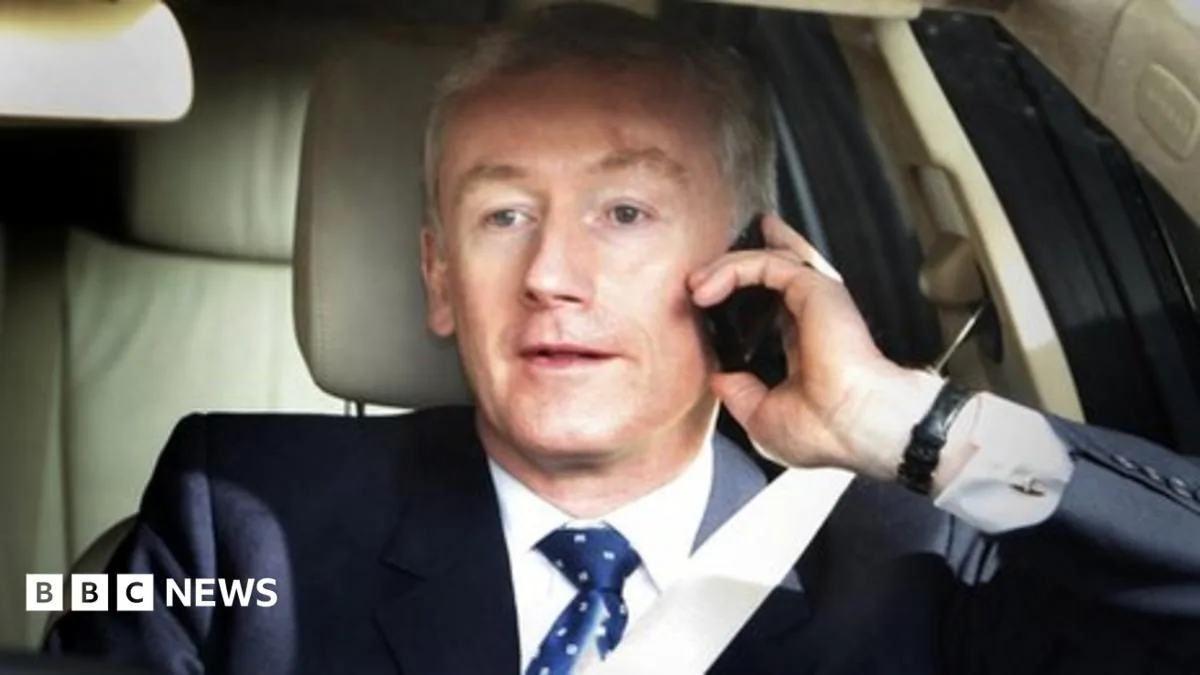
Fred Goodwin, the former chief executive of Royal Bank of Scotland, has been stripped of his knighthood following the bank's catastrophic collapse, which required a £45.5bn taxpayer bailout. The honorary title, awarded in 2004 for services to banking, was removed due to his pivotal role in the financial crisis that triggered the UK's worst recession since World War II.
Known as 'Fred the Shred' for his aggressive cost-cutting, Goodwin led RBS for nine years, transforming it from a minor player into one of the world's top five banks through a series of acquisitions, including Natwest, Coutts, and Direct Line. At its peak, the bank's balance sheet reached £2 trillion, briefly making it the largest bank globally.
However, the wheels came off with the disastrous takeover of ABN Amro in 2007 and heavy investments in US subprime mortgage bonds. Following the collapse of Lehman Brothers in September 2008, RBS was on the brink of failure, and Goodwin stepped down as the government seized control. Public anger intensified when it emerged he was drawing a pension worth £700,000 a year from a pot valued at £16m.
The Cabinet Office stated that RBS's failure played a key role in the 2008-09 financial crisis, imposing significant costs on taxpayers and businesses. A report by the Financial Services Authority blamed poor management decisions and a culture that prioritised risk over growth. Goodwin had apologised to MPs in 2009, saying he 'could not be more sorry,' but the stripping of his knighthood marks a lasting symbol of the bank's downfall.




