Scotland's Superhospital Scandal Deepens with Plans for New Cancer Ward After Mould Discovery
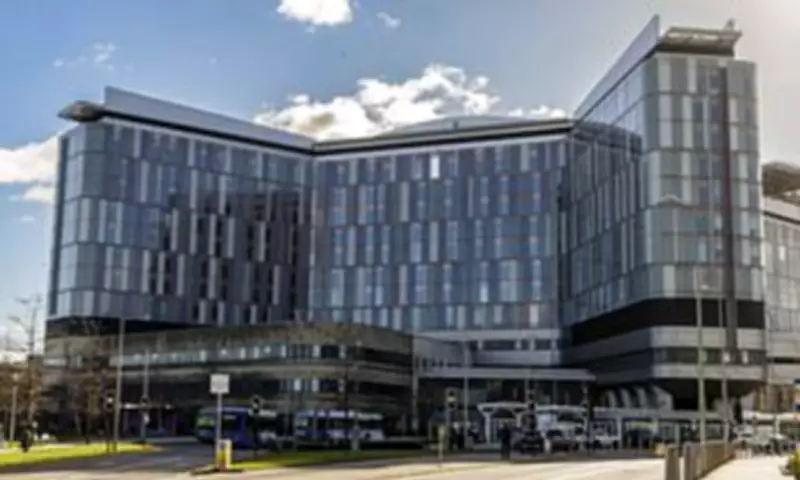
The scandal surrounding Scotland's flagship superhospital has intensified dramatically, as health authorities have revealed plans to construct an entirely new ward for critically ill cancer patients. This move comes in response to the discovery of mould contamination in the existing bone marrow transplant unit at the Queen Elizabeth University Hospital campus in Glasgow.
Persistent Room Closures Due to Water Ingress and Mould
Over the past six months, approximately one-fifth of the rooms in the bone marrow transplant unit have been temporarily closed at various times due to concerns about water ingress and mould growth. The most recent incidents occurred in February and March, when three rooms were sealed off completely. Experts were brought in to investigate the conditions, and subsequent testing revealed that a swab taken from one of the closed rooms had developed mould.
Despite these alarming findings, First Minister John Swinney and SNP Health Secretary Neil Gray have consistently maintained that the hospital remains safe for patients. Their assurances have done little to calm growing public concern about the facility's safety standards.

NHS Board Seeks "Significant" Investment for Replacement Unit
NHS Greater Glasgow and Clyde, which operates the 11-year-old £1 billion hospital complex, now plans to request "significant" investment from the Scottish Government to build a completely new bone marrow transplant unit. The health board attributes this decision to "infrastructure defects" and an increasing frequency of room closures in recent weeks.
The current BMT unit is located in ward 4B, though it remains unclear whether the replacement facility will occupy the same location or be situated elsewhere within the hospital grounds. What is certain is that this represents a major admission of failure for a hospital that has been operational for just over a decade.
Families of Affected Patients Express Mixed Reactions
Families of 27 cancer patients who contracted rare infections at the hospital have repeatedly questioned its safety, even writing directly to First Minister Swinney urging immediate action. Among those affected was Tony Dynes, 63, who died at QEUH in May 2021 after contracting two infections while being treated for lymphoma.
His widow Maureen welcomed news of the planned new unit but expressed ongoing concerns about patients currently receiving treatment. "I hope that, given the previous difficulties with the current hospital, they will consult closely with the appropriate experts to ensure the building is truly fit for purpose," she stated.
Mrs. Dynes added crucial questions that remain unanswered: "NHS GGC need to clearly state how long the new build will take, what precautions are in place to ensure the BMT unit is safe for patients, and what actions will be taken if it cannot be made safe—including whether the unit would be closed if necessary."
Tragic Cases Highlight Systemic Problems
Another tragic case involved Andrew Slorance, a 49-year-old father of five and former Scottish government official under Nicola Sturgeon. He entered ward 4B in October 2020 for a stem cell transplant and chemotherapy after being diagnosed with mantle cell lymphoma. He died just six weeks after admission, with the official cause listed as "Covid pneumonia," though he had also contracted aspergillus—a fungal infection caused by breathing in mould spores—while at QEUH.
His wife Louise responded to the new unit plans: "While it is too late for our loved ones, the new unit is welcome for all Scotland's patients that need it in the future. However, it is only one step of many that require to be taken to ensure patient safety at our flagship hospital going forward."
Political Criticism and Legal Action
Scottish Labour health spokeswoman Jackie Baillie delivered scathing criticism of the situation: "SNP ministers and the health board have lost control of this situation. What message does it send to patients if a new BMT unit is needed after only 10 years? The cover-ups and lack of transparency must end."

Baillie demanded answers about costs, timelines, and durability: "The Health Secretary needs to tell us how much this will cost, how long it will take and crucially—will it last longer than 10 years? Bone marrow transplant patients are among the most vulnerable patients in the NHS—getting this right is as serious as it gets."
The hospital remains at the centre of a public inquiry following dozens of patient infections, and NHS GGC is pursuing legal action against main building contractor Multiplex, alleging that the health board did not receive what it requested or paid for regarding construction flaws.
Official Response and Ongoing Mitigations
In an official statement, NHS GGC acknowledged that the ventilation system in the current unit "is not fully compliant" but emphasized that "ongoing risk mitigations" continue to be applied to "allow delivery of effective care in the unit."
The statement continued: "Therefore, due to infrastructure defects and an associated increased number of room closures in recent weeks, we now feel it necessary to develop a proposal for a new unit which would be more resilient and fully compliant." The health board cautioned that the project "will take significant time and investment" while affirming they continue "to assess and take actions as necessary to maintain this vital national service."
This development represents yet another chapter in the ongoing crisis at what was meant to be Scotland's premier medical facility, raising serious questions about construction standards, maintenance protocols, and patient safety oversight in the nation's healthcare system.