

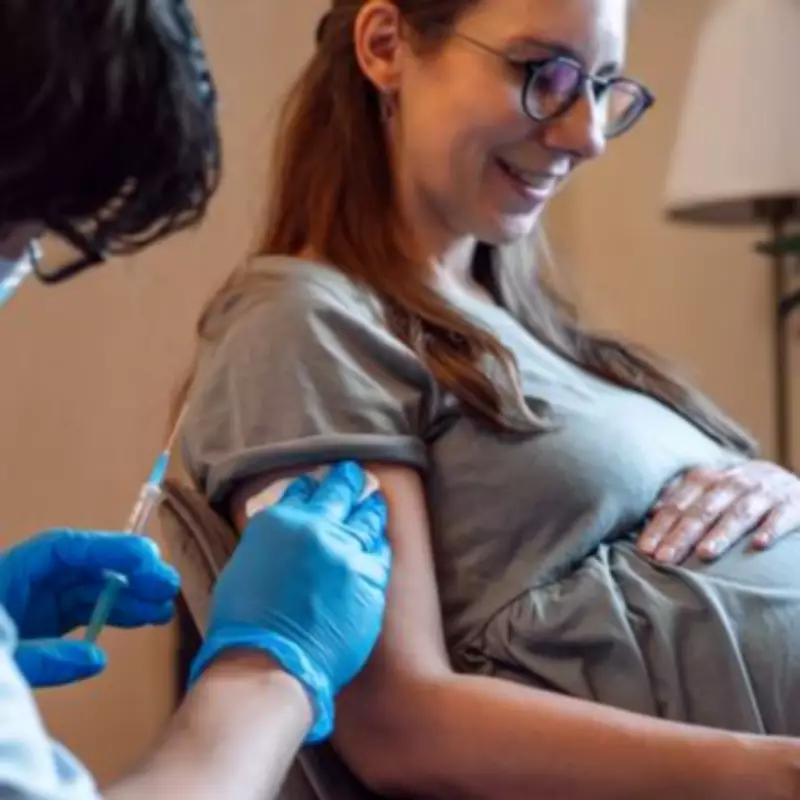
Pregnancy RSV Vaccine Dramatically Reduces Infant Hospitalisations
A groundbreaking study from the UK Health Security Agency has demonstrated that a vaccine administered during pregnancy can reduce hospital admissions for babies with respiratory syncytial virus by an impressive 80 percent. This significant finding highlights the effectiveness of the immunisation programme introduced in 2024 to protect vulnerable newborns from this common but potentially dangerous infection.
Study Reveals Strong Protective Benefits
The comprehensive research followed approximately 300,000 babies born in England between September 2024 and March of the following year, representing about 90 percent of all births during that period. Among this cohort, researchers identified 4,500 infants who required hospital treatment for RSV infections. Crucially, the vast majority of these hospitalised babies had not received protection through maternal vaccination.
Dr Conall Watson, the programme lead for RSV at UKHSA, emphasised the importance of these findings, stating that the vaccine provides "excellent protection" to babies during their most vulnerable early months. The study indicates that when administered at least four weeks before delivery, the vaccine offers approximately 85 percent protection to newborns against severe RSV infection.

Understanding RSV Risks and Vaccine Timing
Respiratory syncytial virus represents a leading cause of hospital admissions for infants before their first birthday. The NHS identifies several high-risk groups including babies under six months old, premature infants, adults over 75, and individuals with compromised immune systems. Nearly all children contract RSV at least once before reaching two years of age, with severe cases potentially causing significant breathing difficulties requiring hospital intervention.
The vaccination programme recommends administration from 28 weeks of pregnancy, though the study confirms that some protection remains possible even with later administration during the third trimester. Dr Watson advised pregnant women: "Get it on time. But if you can't, do get vaccinated all the way through the third trimester." He further explained that longer intervals between vaccination and delivery correlate with enhanced protective benefits for the newborn.
Personal Stories and Vaccination Uptake
The human impact of RSV is illustrated through personal accounts like that of Laine Lewis, whose twelve-year-old son Malachi developed what initially appeared to be a common cold as an infant. This illness was later identified as RSV, leading to a frightening episode where Malachi stopped breathing and subsequent scans revealed brain damage. While emphasising that such severe outcomes remain rare, Lewis encourages parents to consider vaccination: "I'd encourage people to take the vaccine for RSV because it will help their child."
Current statistics indicate that approximately 64 percent of pregnant women in England have received the RSV vaccine, though this figure drops to 53 percent in London. Health authorities strongly recommend that expectant mothers discuss vaccination options with their midwives or healthcare providers, particularly ahead of their 28-week appointment.
Looking Forward to Winter Protection
Dr Watson highlighted the vaccine's potential to "make a big difference to keeping babies safe" during the challenging winter months when respiratory viruses typically circulate more widely. The UKHSA continues to monitor the vaccine's effectiveness and promote its uptake among eligible pregnant women as part of broader public health strategies to reduce infant morbidity from preventable infections.






