

Record A&E Visits Driven by Meningitis Outbreak as NHS Waiting Lists Decline
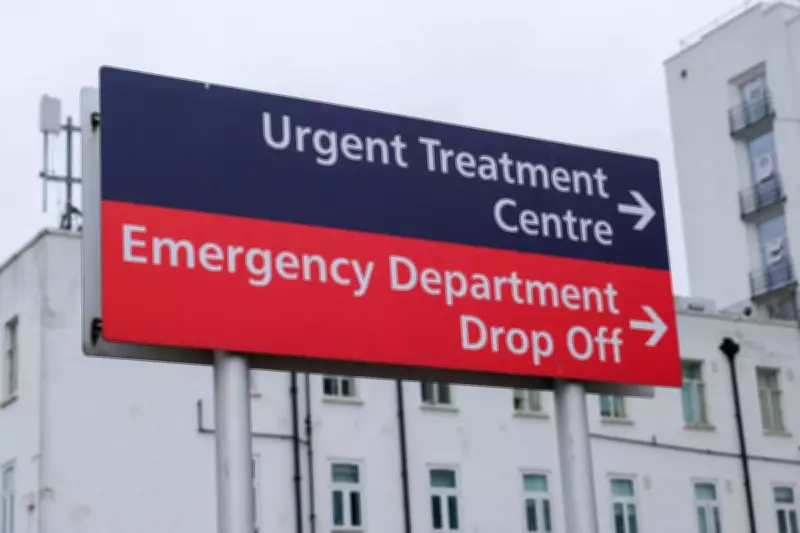
NHS England has reported a record surge in A&E visits for March, with figures reaching 2.43 million, partly attributed to a meningitis outbreak in Kent that resulted in two student deaths. This significant increase highlights ongoing pressures on emergency services, yet the data also reveals improvements in patient waiting times and treatment backlogs.
Improvements in A&E Performance Amid High Demand
Despite the record number of A&E visits, the NHS managed to reduce the number of patients waiting over 12 hours in A&E to 136,201 in March, down from 150,787 in February. Additionally, 77.1 per cent of A&E patients were seen within four hours last month, an increase from 74.1 per cent in February. This progress moves the NHS closer to its target of 78 per cent by March 2026, demonstrating resilience in handling emergency care despite the surge driven by the meningitis outbreak.
Decline in Routine Treatment Waiting Lists
The waiting list for routine hospital treatment in England has fallen for the fourth consecutive month, reaching 7.22 million treatments by the end of February, its lowest level since February 2023. Furthermore, the number of patients waiting over a year for treatment dropped to 122,668 in February, marking the lowest figure since August 2020. These declines indicate positive strides in addressing long-standing backlogs in the healthcare system.

Key Points:
- Record A&E visits: 2.43 million in March, partly due to a meningitis outbreak in Kent with two fatalities.
- Reduced waiting times: Fewer patients waited over 12 hours in A&E, and more were seen within four hours.
- Falling waiting lists: Routine treatment backlogs decreased for the fourth month, with year-long waits at their lowest since 2020.
This mixed picture underscores the challenges and successes within the NHS as it navigates emergency demands and ongoing treatment delays.






