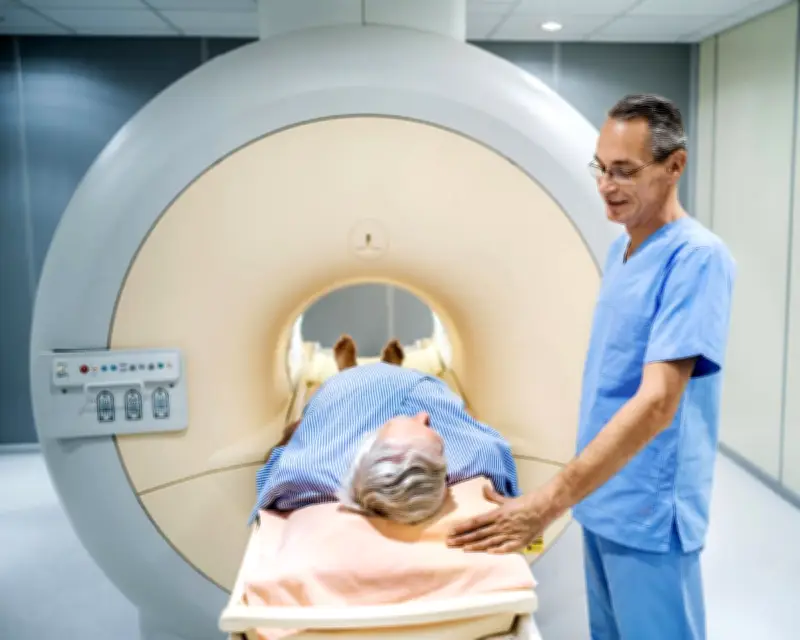
A record number of people in England are waiting for diagnostic tests on the NHS, raising concerns that delays in accessing CT and MRI scans could endanger patients' health. According to an analysis of diagnostic services, 1.92 million patients are currently awaiting tests such as ultrasound scans, hearing assessments, bone scans, and various cancer diagnostics.
Demand Outstripping Capacity
Demand for these tests is surpassing the NHS's ability to meet it. More than 400,000 people, or one in five on the waiting list, are waiting longer than the official six-week maximum. This rise contrasts with the NHS's recent success in reducing the backlog for planned hospital care to 7.1 million, a drop of 500,000 since July 2025.
Key Findings from Magentus Report
A report by health technology firm Magentus reveals that the diagnostic waiting list has grown by 500,000 since 2022 and is 83% higher than before the COVID-19 pandemic. On current trends, the list is projected to reach 2 million by March 2027. The report also highlights regional disparities: patients in areas with the longest waiting lists face unusually long delays for cancer diagnoses and heart problem treatments. For instance, those in integrated care board regions with the highest proportion of patients waiting over six weeks are nearly six times more likely to miss the NHS's 28-day cancer diagnosis target.

Patient Concerns
The Patients Association expressed deep unease, warning that patients' health deteriorates while waiting for tests. Chief executive Rachel Power stated, “A diagnostic test is not the end of a patient’s journey – it is the beginning. Without it, treatment cannot start, conditions deteriorate, and what might have been caught early becomes something far harder to treat.” She added that every week of delay worsens conditions, diminishes daily living ability, and increases anxiety.
NHS Under Pressure
Marlen Suller, Magentus's managing director for clinical diagnostics, said the NHS cannot cope with rising demand driven by an ageing population, more long-term health conditions, and the push for earlier diagnosis. The waiting list includes 674,100 patients awaiting ultrasound scans, 394,913 for MRI scans, and 207,524 for CT scans. Although the NHS performs record numbers of tests—2.61 million in March alone—the list continues to grow.
Professor Erika Denton, a radiology expert at Norfolk and Norwich NHS trust, noted the stress and anxiety for patients and frustration for staff working hard to meet demand. Suller urged NHS leaders to overhaul diagnostic services by better using existing capacity, testing patients faster, providing clearer information, and using financial incentives to drive improvement.
NHS Response
NHS England did not directly address the findings but highlighted that the NHS delivered 29.9 million diagnostic procedures in the last financial year, including from 170 community diagnostic centres. A spokesperson said, “We are determined to keep up progress in bringing waiting times down and that’s why we’re making it easier to access diagnostic tests with new, expanded or enhanced community diagnostic centres available to patients across England.”
This article was amended on 8 June 2026 to clarify that the 29.9 million scans included those from community diagnostic centres but were not limited to them.