The Surprising Benefits of Arguing in Public
Public arguments are often viewed as deeply embarrassing breaches of social etiquette, particularly within emotionally reserved cultures like the United Kingdom. However, psychological research and relationship experts are now suggesting that outdoor disputes, when conducted appropriately, can actually strengthen romantic bonds and lead to more effective conflict resolution.
Historical Public Rows and Modern Recreations
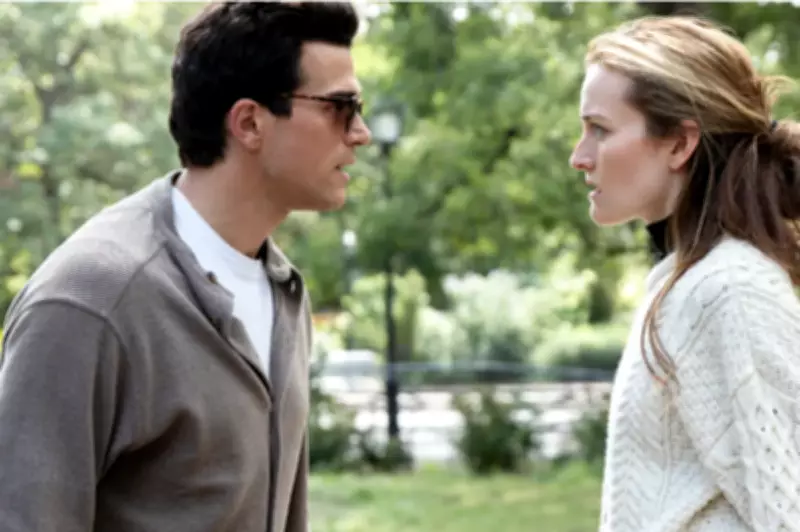
One of the most infamous public arguments in modern history occurred on February 25, 1996, when John F. Kennedy Jr. and his girlfriend Carolyn Bessette engaged in a heated confrontation in New York's Battery Park. The couple, constantly pursued by paparazzi, screamed at each other as cameras captured every moment, with Kennedy reportedly removing an engagement ring from Bessette's finger during the altercation.
This dramatic scene has been vividly recreated in Ryan Murphy's FX series Love Story, with actors Paul Anthony Kelly and Sarah Pidgeon delivering such convincing performances that contemporary New Yorkers reportedly mistook the filming for an actual incident, alerting authorities through safety apps.

The Psychological Science Behind Argument Walks
Contrary to conventional wisdom, research indicates that walking during disagreements offers several psychological advantages. Columbia University psychologist Maya Rossignac-Milon explains that physical movement stimulates creative thinking, enabling couples to generate novel solutions to their problems.
"Getting your body moving helps to get your brain moving," says Rossignac-Milon. "You make connections that you wouldn't necessarily make if you were stationary."
Another significant benefit involves what psychologists call "step synchrony" – the natural human tendency to match walking paces when moving together. This shared rhythm creates feelings of connection and unity between partners.
"It puts people in a state where they feel closer to each other, they're more motivated to connect, and they see each other as part of the same being that's moving together," Rossignac-Milon elaborates. "This sense of oneness has been shown to increase cooperation between individuals."
Therapeutic Approaches to Outdoor Arguments
Conflict resolution coach Davina Clements emphasizes that argument walks can be particularly effective for resolving recurring disputes that have become predictable patterns of criticism and defensiveness.
"When you fall into predictable disagreements about the same issues, emotions can escalate quickly," Clements explains. "A changed environment can change your behaviors and perspectives."
Both experts recommend several strategic approaches for successful argument walks:
- Plan difficult conversations in advance rather than storming out mid-argument
- Choose familiar, uncrowded routes to minimize distractions
- Embrace periods of silence when emotions become heightened
- Maintain a side-by-side walking position to encourage "sideways listening"
Cultural Context and Personal Experiences
The cultural stigma surrounding public arguments remains particularly strong in Britain, where personal conflicts are expected to remain behind closed doors. This societal pressure often means that only the most dramatic public disputes receive attention, such as the infamous 2013 Made in Chelsea confrontation between Spencer Matthews and Louise Thompson near London's Millennium Bridge.
However, personal testimonies suggest that outdoor arguments can yield positive results. One journalist described how a planned anniversary walk along London's Thames Path from Hammersmith to Putney unexpectedly transformed into a 20,000-step argument that ultimately resolved a longstanding issue in their relationship.
"Even with our melodramatics, we reached a proactive solution to a problem we'd avoided addressing for months," the journalist reported. "Then we hugged."

Historical Precedent and Modern Application
Interestingly, JFK Jr. later dismissed his Battery Park argument with Carolyn Bessette as "some silly argument" typical of long-term couples. The pair married in a private ceremony on Georgia's Cumberland Island just seven months after their very public dispute.
Rossignac-Milon notes that our language about conflict inherently incorporates movement metaphors – we speak of "getting over" problems, "moving on," being "at a standstill," or needing to "meet halfway." These linguistic patterns suggest that physical movement during arguments might align with our fundamental understanding of conflict resolution.
"There's a significant reason why we discuss conflict using this terminology," she observes. "Perhaps we should more frequently embody these metaphors through actual movement during difficult conversations."
For couples facing recurring disagreements or communication challenges, experts suggest that structured argument walks – conducted with intention and emotional awareness – might offer a more productive alternative to traditional indoor confrontations. The combination of physical movement, changed environment, and natural synchronization can transform conflicts from destructive battles into opportunities for connection and growth.