Psilocybin Therapy Demonstrates Significant Benefits for Veterans
Recent clinical trials have shown that psilocybin-assisted therapy can lead to substantial improvements in mental health outcomes for military veterans. This innovative treatment approach is gaining attention as a potential alternative for those struggling with conditions like post-traumatic stress disorder (PTSD) and major depressive disorder.
Breakthrough Findings from Controlled Studies
Researchers conducted a series of controlled studies involving veterans who had not responded adequately to conventional treatments. Participants received psilocybin in a supervised therapeutic setting, combined with psychological support from trained professionals. The results indicated a marked reduction in symptoms of PTSD and depression, with many veterans reporting long-lasting positive effects on their overall well-being and quality of life.
Key outcomes included decreased anxiety levels, improved mood stability, and enhanced emotional resilience. These findings suggest that psilocybin therapy could address the root causes of trauma more effectively than some traditional methods, which often focus solely on symptom management.

Mechanisms of Action and Therapeutic Potential
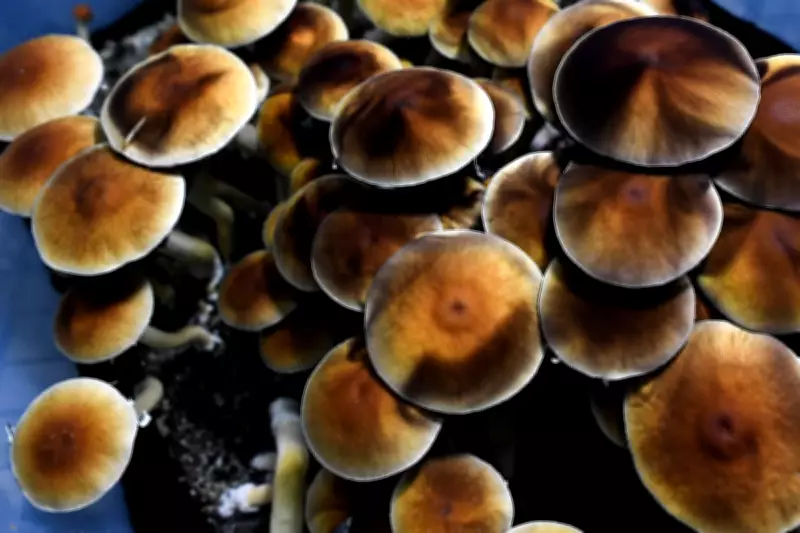
Psilocybin, the psychoactive compound found in certain mushrooms, is believed to promote neuroplasticity—the brain's ability to form new neural connections. This may help veterans reprocess traumatic memories and develop healthier coping strategies. The therapy sessions are designed to facilitate introspective experiences that can lead to profound psychological insights and healing.
Unlike standard pharmaceutical interventions, which may come with side effects or dependency risks, psilocybin therapy typically involves only a few sessions under medical supervision. This makes it a potentially cost-effective and efficient option for healthcare systems aiming to support veteran populations.
Regulatory and Ethical Considerations
Despite the promising results, psilocybin remains a controlled substance in many regions, including parts of the United States and the United Kingdom. Ongoing research is crucial to establish safety protocols, dosage guidelines, and long-term efficacy. Ethical considerations, such as ensuring informed consent and preventing misuse, are paramount as this therapy moves toward potential clinical adoption.
Advocates argue that expanding access to psilocybin therapy could address a critical gap in mental health services for veterans, who often face high rates of suicide and treatment-resistant conditions. However, regulatory hurdles and stigma surrounding psychedelic substances must be overcome to integrate this approach into mainstream healthcare.
Future Directions and Implications
Looking ahead, researchers plan to conduct larger-scale trials to validate these initial findings and explore psilocybin's effects on other mental health issues. If successful, this could pave the way for new treatment paradigms that prioritize holistic and transformative healing over mere symptom suppression.
The growing body of evidence supports a shift toward more innovative and compassionate care for veterans, potentially reducing the burden on traditional mental health systems and improving outcomes for those who have served their countries. As science advances, psilocybin therapy may become a vital tool in the fight against veteran mental health crises, offering hope where other treatments have fallen short.