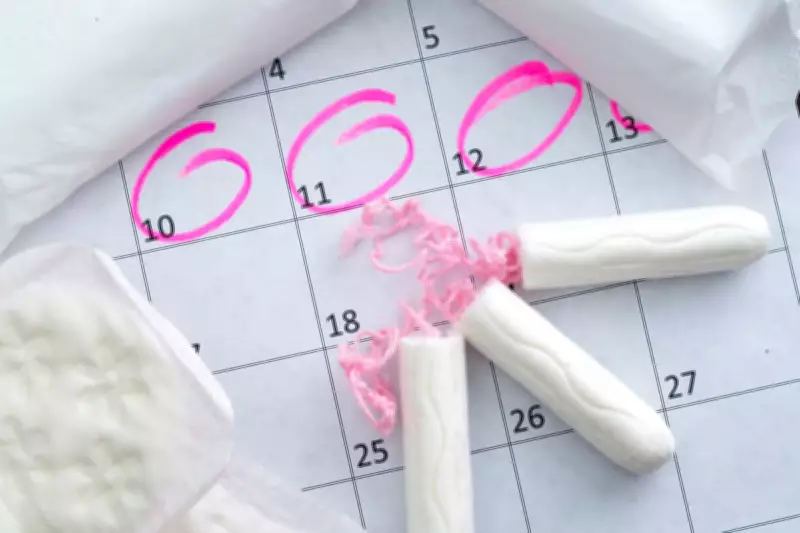
Period Poverty Survey Exposes Alarming Crisis in the UK
A comprehensive new survey has uncovered a deeply concerning reality: more than one in ten women and people who menstruate across the United Kingdom have faced significant financial hardship in affording essential period products over the past year. This widespread struggle, often referred to as period poverty, is forcing vulnerable individuals into making impossible choices between basic necessities.
Dangerous Health Practices and Unsuitable Alternatives
The financial strain has led to alarming health risks, with many resorting to unsafe practices to manage their menstrual cycles. Survey respondents reported wearing single-use period products for extended durations beyond recommended guidelines, increasing the risk of infections and other medical complications. In more extreme cases, individuals have turned to wholly unsuitable alternatives such as newspaper, cloth scraps, or other makeshift materials, which pose serious hygiene and health dangers.
Prioritising Essentials Over Menstrual Health
When forced to allocate limited financial resources, a staggering 64% of those affected by period poverty indicated they had to prioritise purchasing food over menstrual products. Additionally, 40% reported choosing to pay for energy bills instead, highlighting how period poverty intersects with broader cost of living pressures. This triaging of essentials means menstrual health is often deprioritised, despite its critical importance to wellbeing and dignity.

Social Isolation and Public Life Impact
The consequences extend beyond physical health, with nearly a quarter (22%) of survey participants revealing they have stayed at home due to inability to afford period products. This self-imposed isolation directly impacts participation in education, employment, social activities, and public life, creating a cycle of disadvantage that can be difficult to break. The social stigma and embarrassment associated with period poverty further compound these challenges.
Campaign Warnings and Political Response
Campaign groups, including ActionAid UK, have issued stark warnings that period poverty risks becoming even more entrenched amid fears of a fresh cost of living crisis. They emphasise that without targeted intervention, the situation could deteriorate further, affecting more vulnerable populations. In Parliament, Labour MP Danielle Rowley has recently addressed the issue in the Commons, calling for greater awareness and policy solutions to tackle what she describes as a hidden crisis affecting millions.
The survey data underscores an urgent need for comprehensive strategies that address both the immediate provision of menstrual products and the underlying economic factors driving period poverty. As campaigners continue to advocate for change, the hope is that increased visibility will lead to sustainable solutions ensuring no one has to choose between menstrual dignity and other basic needs.