
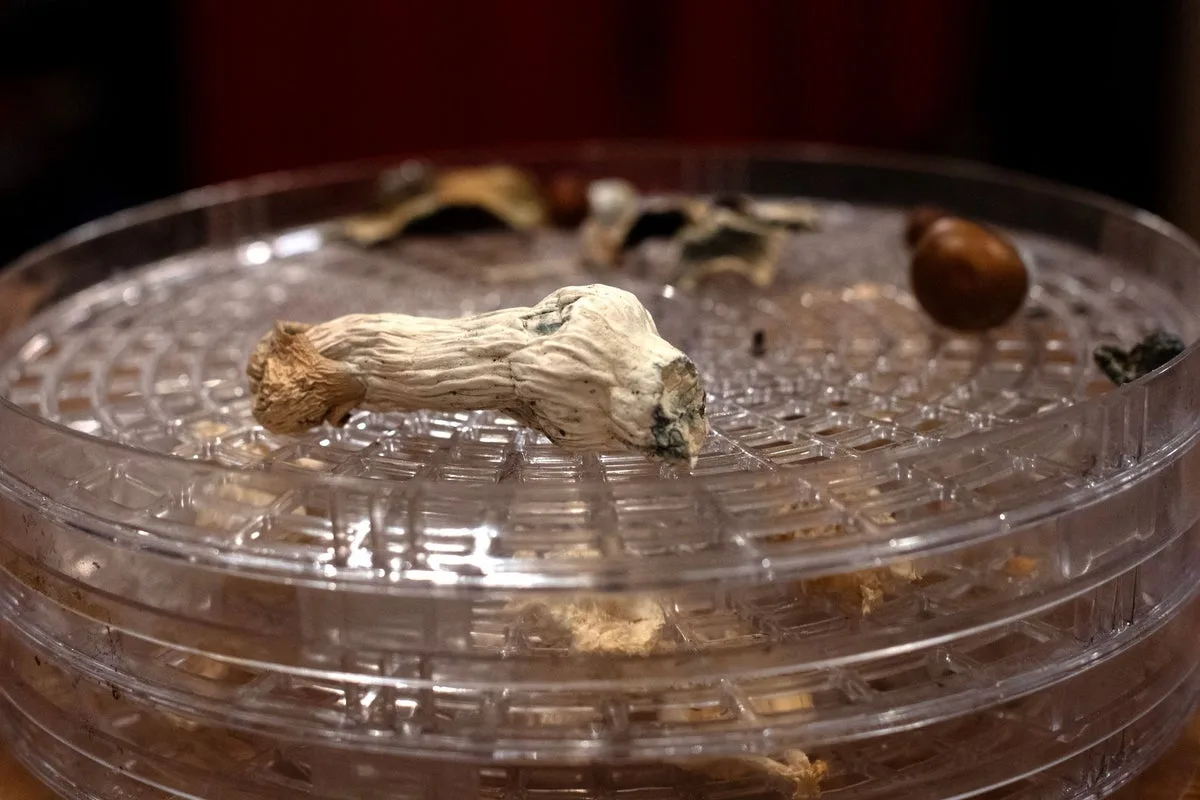
An 80-year-old woman with advanced Alzheimer's disease experienced temporary improvements in cognitive and motor functions after receiving a high dose of magic mushrooms, according to a new case study published in Frontiers in Neuroscience.
The Japanese-American patient, who has been living with Alzheimer's for nearly a decade and speaks only in single syllables, entered a sleep-like state after a 5g dose of Enigma strain mushrooms. Some 20 hours later, her speech improved, she could move better, and dress herself independently.
Researchers noted improvements including restoration of urinary continence, improved walking, autonomous dressing, increased emotional responsiveness, sustained social interaction, memory retrieval, and spontaneous conversation. In one session, she remarked: "It is pleasant to come here."
However, scientists caution that the findings do not imply a reversal of dementia. They suggest that psilocybin, the psychoactive compound in magic mushrooms, may make some cognitive capacities temporarily accessible under specific conditions, raising the possibility that latent functional capacities persist in advanced neurodegeneration.
The study is observational and intended to generate hypotheses for future controlled investigations. Researchers call for more systematic study to explore these effects.




