
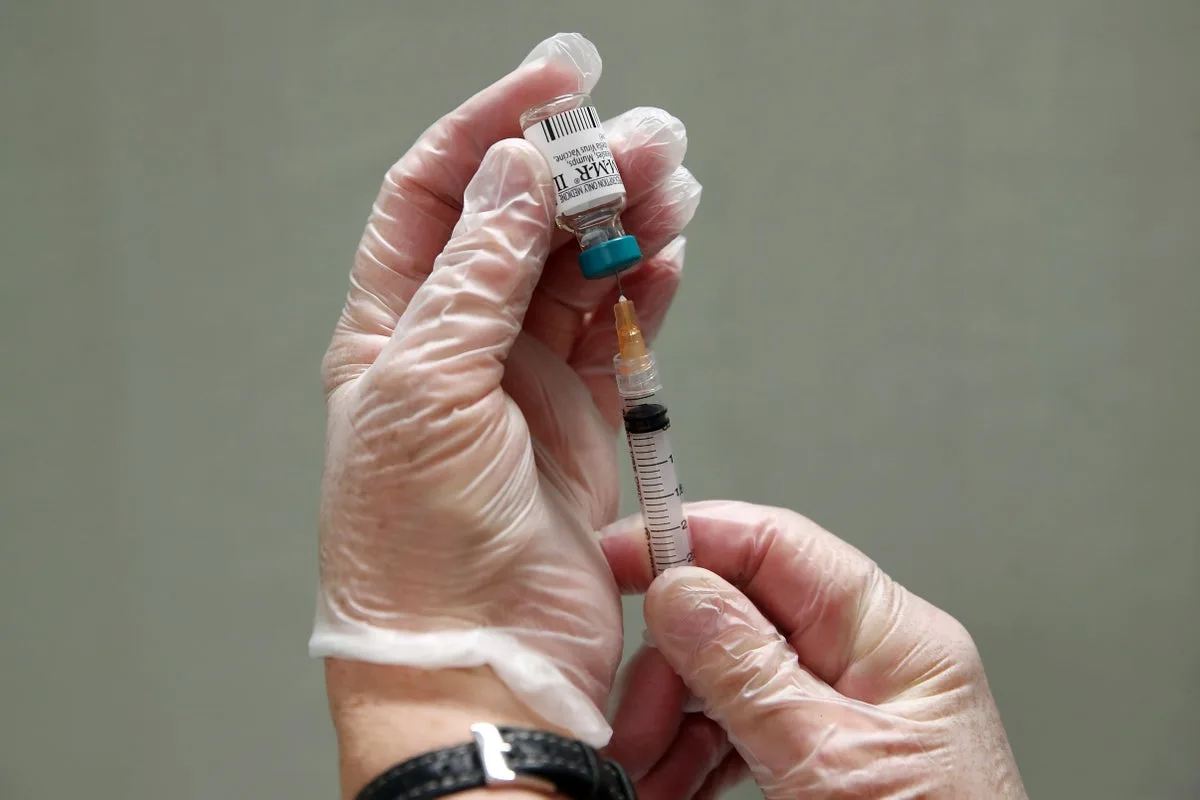
Doctors across the United States are raising concerns over a growing number of parents refusing vitamin K injections for newborns, a standard preventive measure that has nearly eliminated a life-threatening bleeding disorder. A study published in JAMA found that 5% of infants did not receive the shot at birth in 2024, a 77% increase since 2017.
Vitamin K deficiency bleeding, which can cause internal haemorrhaging, has led to infant deaths in states including Maryland, Alabama, Texas and Kentucky, according to medical records and autopsy reports reviewed by ProPublica. The condition occurs because newborns are born with low levels of vitamin K, which is essential for blood clotting.
Refusal rates have more than doubled in some hospital systems since the pandemic, with one facility in Idaho reporting that 20% of families opted out. Experts attribute the trend to misinformation on social media and broader vaccine scepticism, even though the vitamin K shot is not a vaccine.
Infants who do not receive the injection are 81 times more likely to develop late-onset bleeding, which can occur up to six months after birth. The Centers for Disease Control and Prevention states that one in five babies with the condition will die.
While some parents cite concerns over pain or preservatives like benzyl alcohol, paediatricians say these risks are minimal. Alternatives such as delayed cord clamping or oral supplements do not offer the same protection as the intramuscular injection.
Dr Robert Sidonio Jr, a paediatric haematologist, called for better tracking of cases, noting that the lack of a federal system makes it difficult to demonstrate the true danger. The Department of Health and Human Services reaffirmed that vitamin K at birth remains the standard of care.




