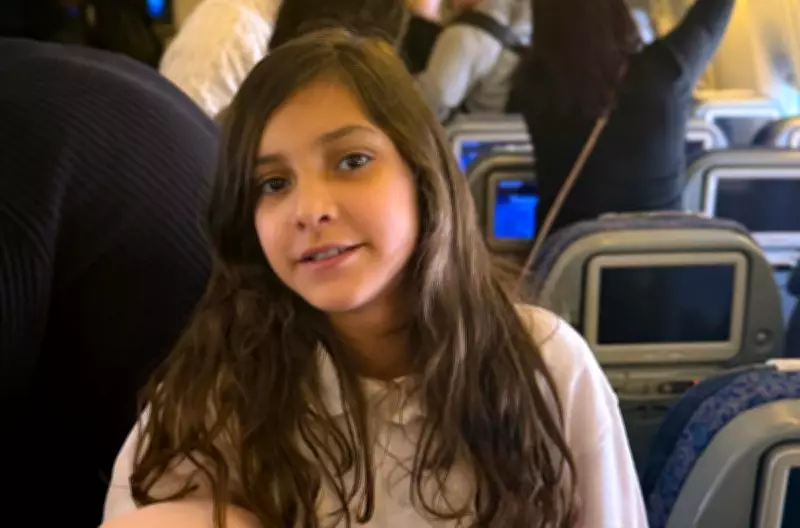
Mariam Sabbah, a 10-year-old Palestinian girl who suffered severe injuries during an Israeli bombardment in Gaza, has arrived in the United Kingdom for advanced medical treatment. Her journey to the UK follows a series of obstacles, including a US visa denial that disrupted her family's original healthcare plans.
Critical Injuries and Evacuation Efforts
Mariam sustained critical abdominal and pelvic injuries and lost her left arm after a missile struck her home in Deir al-Balah, Gaza, in March of last year. The attack led to an amputation due to a subsequent infection, compounding her trauma. Initially, her family aimed to seek treatment in the United States, but those plans were thwarted when the US administration halted visitor visas for all Palestinians in August last year.
Charity Intervention and UK Support
In response to this setback, the UK-based charity Project Pure Hope intervened to facilitate Mariam's evacuation from Egypt to the UK. The charity arranged privately funded specialist reconstructive and rehabilitative care, ensuring she received the necessary medical attention. The UK government has expressed support for such medical evacuations from Gaza, noting that 50 children and their families have already received care through similar initiatives.

The government also backs Project Pure Hope's efforts in handling privately funded cases, highlighting a collaborative approach to addressing humanitarian needs. This support underscores the UK's commitment to providing medical assistance in conflict zones, particularly for vulnerable children affected by violence.
Broader Context and Implications
Mariam's case sheds light on the ongoing humanitarian challenges in Gaza, where many civilians, including children, face severe injuries and limited access to adequate healthcare. The US visa restrictions have further complicated evacuation and treatment efforts for Palestinians, prompting charities and other nations to step in.
As Mariam begins her recovery in the UK, her story serves as a poignant reminder of the human cost of conflict and the importance of international cooperation in medical crises. The successful evacuation and treatment arrangement demonstrate how non-governmental organizations and government support can work together to provide critical care in dire circumstances.