

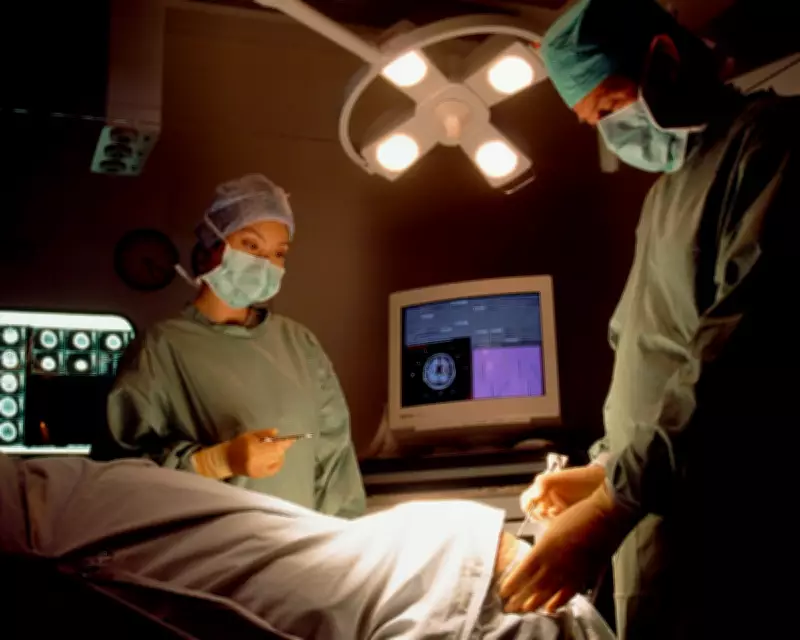
A study of elective surgery at 91 English NHS trusts has revealed that approximately one in 10 operations are cancelled with less than 24 hours' notice, while a further 9% are postponed at the pre-operative appointment stage. If these figures were replicated across the entire country, it would equate to roughly 300,000 cancellations or postponements annually.
Key findings from the research
The research, conducted by the National Institute for Health and Care Research Central London patient safety research collaboration, NHS England, University College London, and the Royal College of Anaesthetists, analysed planned surgery data over a seven-day period in November 2024. It found that the most common reasons for cancellations included medical issues, patients not attending, operating lists overrunning, and emergency admissions. However, in 37.3% of cases, the study determined that if these problems had been identified three to five days earlier, the operation could have proceeded as scheduled or another patient could have been offered the slot.
Pre-operative postponements
The study, published in the British Journal of Anaesthesia, also found that nearly two-thirds of operations postponed at the pre-operative appointment were due to patients requiring further tests or specialist clinical review. The authors concluded that clinical pathways require overhauling, with more early screening, more flexible surgery scheduling, and improved communication.

Expert commentary
Lead author Dr James Bedford from University College London stated: "We need to ensure we identify health problems, which put patients at risk of post-operative complications, as early as possible, so that these can be improved while they are waiting for their operation." He added that early screening also helps identify low-risk patients who could be offered surgery at short notice when slots become available.
In a linked editorial, consultant orthopaedic surgeon Prof Scarlett McNally described the findings as highlighting "the scale of systemic inefficiencies, unacceptable waste of public money and emotional toll experienced by patients." She warned that without a different approach focusing on supporting and preparing patients, waiting lists will remain unacceptably high.
Prof Frank Smith, vice-president of the Royal College of Surgeons of England, said the study underlines how damaging cancellations and postponements are for both patients and the NHS. He emphasised the need for earlier, better coordinated care to ensure patients are in the best possible condition when they reach the operating theatre.
NHS response
An NHS spokesperson said: "We are seeing great examples of NHS teams across the country offering more personalised support to ensure patients are fit for surgery, and we need to continue and extend this progress to improve preoperative care for patients, eliminate avoidable postponements and keep bringing waiting lists down."
The latest figures show that as of the end of February, just over 6 million patients were waiting for treatment in England.






