

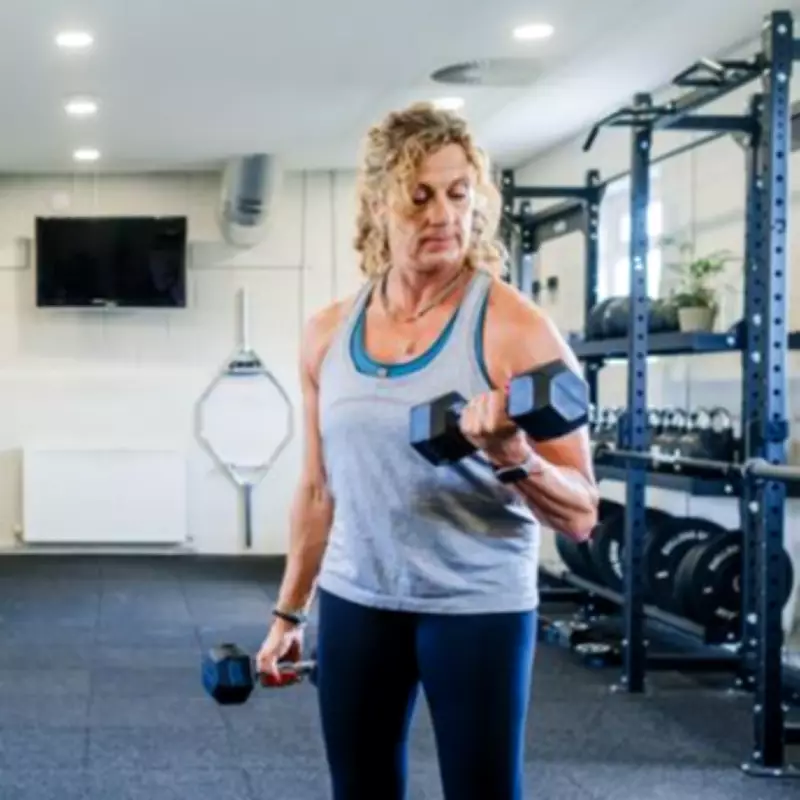
Olympic Legends Launch Campaign to Help Middle-Aged Brits Overcome PE Trauma
Olympic champions Dame Kelly Holmes and Sally Gunnell are spearheading a crucial national initiative aimed at middle-aged adults who remain deeply affected by negative experiences during school physical education lessons. This groundbreaking campaign specifically targets Britons aged between fifty and sixty-five, emphasising that this demographic represents a critical window for establishing healthy exercise habits to ensure a vibrant and active later life.
The Lasting Impact of School PE Lessons
A comprehensive online survey conducted by Yonder, encompassing 2,400 individuals in their middle years, has uncovered a startling reality. The data indicates that approximately four million people in this age bracket continue to feel traumatised by their school PE experiences, with an equal number reporting that these lessons permanently deterred them from engaging in exercise and sports. The polling reveals that forty percent of respondents vividly recall feelings of self-consciousness about their bodies during these classes, while another forty percent remember the humiliation of consistently being selected last for team activities.
Dame Kelly Holmes, the celebrated double-gold medalist from the 2004 Athens Olympics, passionately advocates for a shift in perspective. "The benefits of sport and exercise are truly endless," she asserts. "It transcends professional competition. Whether you are a world-class athlete or a busy parent finding a few hours for a local netball group, it is fundamentally about self-care. It fosters new connections, cultivates team spirit, supports mental wellbeing, encourages time outdoors, and builds lasting strength and capability."

A New Inclusive Approach to Fitness
The campaign, supported by Age UK under the banner Act Now, Age Better, seeks to dismantle the barriers erected by outdated teaching practices. Historical PE instruction was often authoritarian, punitive, and excessively focused on performance metrics. Many teachers were trained in a rigid, military-style methodology that prioritised physical toughness over enjoyment, employing punishments like enforced lap-running for minor infractions. Age UK warns this legacy has fostered a pervasive misconception that exercise is an activity reserved solely for the young.
Sally Gunnell, who secured gold in the 400m hurdles at the 1992 Barcelona Games, echoes this call for a more accessible fitness culture. "I have been fortunate to experience incredible sporting highs, but being active means far more than medals," she explains. "It is about feeling physically strong, mentally clear, and socially connected. That profound feeling should not end with competition; it is a right we all deserve at every stage of our lives."
Broad Coalition of Support
The initiative has galvanised a wide coalition of sporting bodies and public figures. Notable supporters include television presenter Gabby Logan, Dame Denise Lewis, swimmer Mark Foster, Sir Muir Grey, and Dr Hussain Al-Zubaidi. Major national organisations have also pledged their backing, such as the English Football League, Badminton England, British Cycling, British Rowing, England Boxing, England Netball, the Lawn Tennis Association, the Rugby Football Union, and Sport England.
Gabby Logan articulates a powerful personal motivation for staying active. "I exercise for the immediate joy it brings and my ability to play various sports," she shares. "But I am also futureproofing myself. My goal is to be as active as possible in my seventies and eighties, perhaps even playing tennis with future grandchildren. It is an investment in my long-term quality of life."

Practical Steps Forward
The polling data offers clear guidance for encouraging participation. Twenty-three percent of respondents stated they would be more inclined to become active if age-specific classes were available, while seventeen percent highlighted the importance of an inclusive and welcoming environment. Sally Gunnell emphasises the simplicity of beginning. "You do not need to be an athlete. It might involve revisiting a once-loved sport or trying something entirely new, like badminton, bowls, cricket, or pickleball. That first step is often the hardest, but it is the one that changes everything. A small effort today can significantly improve how you feel tomorrow."
Paul Farmer, Chief Executive at Age UK, frames physical activity in compelling terms. "Being active is an investment in your future, akin to contributing to your own physical pension plan," he states. "Our research confirms that millions feel hindered by past sports memories. Challenging PE lessons and fears of judgement can make exercise seem inaccessible. Our mission is to create enjoyable, inclusive opportunities that meet people where they are. Getting moving should never feel intimidating."
Age UK is providing practical tips and suggesting suitable sports and group activities to help the most exercise-sceptical individuals take that vital first step towards a healthier, more active lifestyle in their later years.





