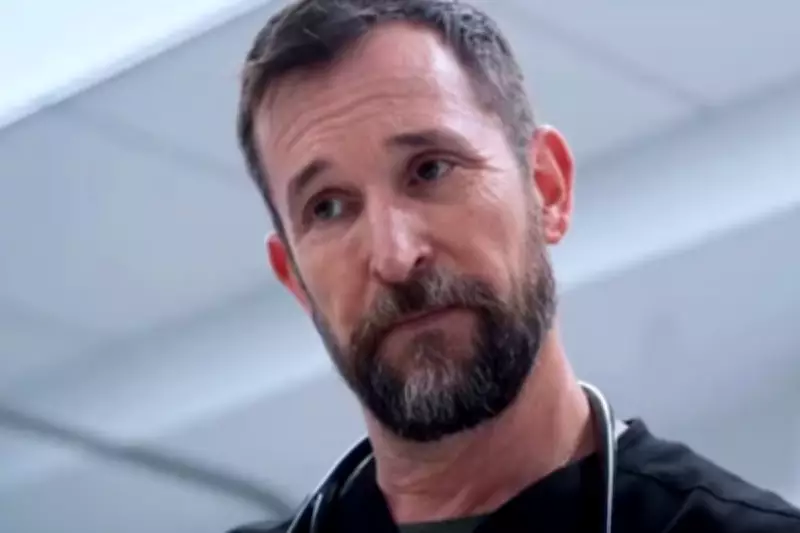
Actor Noah Wyle, best known for his iconic portrayal of Dr. John Carter in the long-running medical drama ER, found himself in a real-life medical scenario during a flight bound for the United Kingdom. The incident unfolded when an announcement was made over the aircraft's tannoy system, urgently requesting any passengers with medical training to come forward and assist with an onboard emergency.
Wyle's Reluctance to Respond
Despite his extensive on-screen experience in medical emergencies, Wyle confessed to feeling a wave of "total cowardice" when the call for help was issued. He deliberately attempted to avoid being noticed by other passengers and crew members, hoping to evade any expectation that he would intervene. This reaction was particularly striking given his professional background, which has familiarised him with simulated medical crises through his acting career.
Recognition and Added Pressure
Compounding his reluctance, Wyle had already been recognised by fans of his current show, The Pitt, prior to boarding the flight. This recognition heightened his anxiety about stepping forward, as he feared drawing further attention to himself in a high-pressure situation. The actor explained that this public scrutiny made him even more hesitant to offer assistance, despite the urgent nature of the medical emergency.

Resolution Without Wyle's Involvement
Fortunately, the situation was resolved without requiring Wyle's input. Another passenger on the flight, who was a qualified medical professional, responded to the tannoy announcement and provided the necessary assistance. This meant that Wyle's services were not needed, allowing him to remain in the background as he had initially intended.
Reflections on the Incident
The incident highlights the stark contrast between fictional portrayals of medical emergencies and real-life responses. Wyle's admission of cowardice underscores how even those with relevant on-screen experience can feel unprepared or unwilling to act in genuine crises. It also raises questions about the psychological impact of celebrity status in emergency situations, where public recognition can influence personal decisions.
Overall, the event served as a reminder of the importance of having trained medical personnel available during flights, while also shedding light on the human complexities that can arise when individuals face unexpected emergencies away from their professional domains.