Nigeria's Hunger Crisis: 6.4 Million Children Face Acute Malnutrition by 2026
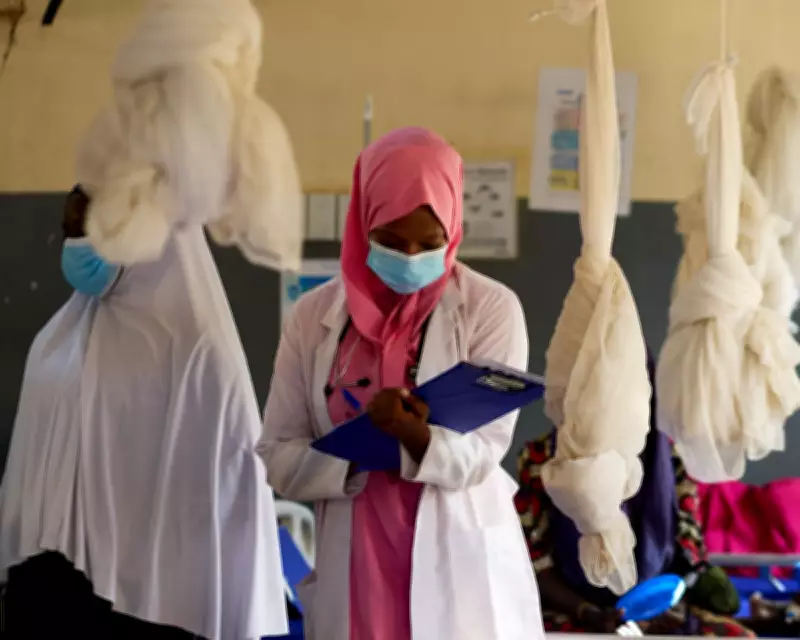
In the heart of Kaita community in Nigeria's northern Katsina state, a medical facility funded by the Alliance for International Medical Action (Alima) is struggling under immense pressure. Zuwaira Hanafi watched in shock as doctors rushed to treat her eight-month-old daughter, Hambali, who lay semiconscious from acute malnutrition. This scene is becoming increasingly common as an unprecedented hunger crisis grips Nigeria, with the Red Cross warning that up to 33 million Nigerians could face severe hunger this year.
Unprecedented Malnutrition Figures
According to the United Nations Office for the Coordination of Humanitarian Affairs, about 6.4 million Nigerian children are expected to be acutely malnourished by the end of 2026, with the majority affected in the north. Dr Soma Bahonan, head of Alima's Nigeria mission, reports that increasing numbers of mothers are also presenting with acute malnourishment, exacerbating the crisis. The Alima facility in Kaita, established in 2021, treated over 36,000 children last year through its malnutrition programme, but it faces an impossible challenge due to scarce resources.
Drivers of the Crisis
Katsina state is at the centre of this intergenerational hunger crisis, where longer-term drivers such as climate shocks and poor governance have been worsened by jihadist attacks and aid funding shortfalls. These factors prevent access to communities and strain already limited healthcare infrastructure. Across Nigeria, the doctor-to-patient ratio is roughly 1:9,000, far below the World Health Organization's recommendation of 1:600, as thousands of doctors flee abroad due to late salary payments.

Healthcare System Under Strain
Digital health startups and private-sector partnerships have made progress in cities like Lagos and Abuja, but infrastructure shortcomings and inflation hinder efforts elsewhere. Joachim MacEbong, a senior analyst at Control Risks, describes Nigeria as being in a "polycrisis" where economic, security, and human development issues amplify each other. In the 2025 federal budget, the health sector received only about 5.2% of the total 47.9 trillion naira budget, one of the lowest per capita spends on health in Africa.
Efforts to Combat the Crisis
Nonprofit organisations are strategising for the upcoming lean season from June to September, while the Nigerian government, in partnership with the World Bank, is implementing the Accelerating Nutrition Results in Nigeria project. However, experts stress the need for more action on food affordability, social protection, and maternal nutrition investment. Key to this is fixing pharmaceutical supply chains, as highlighted by Peter Bunor Jr of Field Intelligence, who notes that malnutrition weakens immune systems, increasing demand for treatments when supplies are most strained.
Hope Amidst Challenges
Aid workers hope for increased government attention to the health sector, which has suffered from foreign aid cuts. In February, health minister Muhammad Ali Pate revealed that only 0.0165% of the allocated budget for ministry operations was released, a figure MacEbong calls telling. Despite these hurdles, initiatives like the Nigeria Health Logistics Management Information System, launched by Field Intelligence and now managed by the health ministry with Unicef support, aim to anticipate and address shortages before they escalate into full-blown crises.