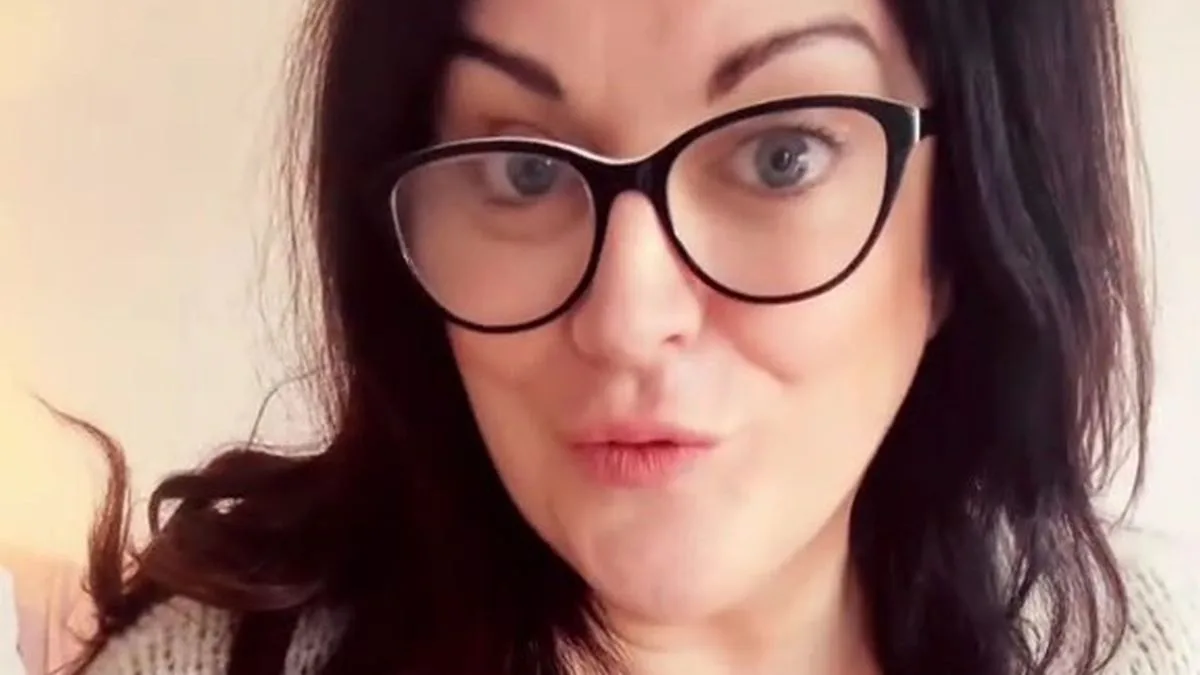
Sister of Nicola Sturgeon Reveals Her Co-Codamol Addiction Nightmare
When Gillian Owens suffered whiplash from a fairground ride in 2012, she had no idea the biggest rollercoaster of her life awaited her: a devastating addiction to super strong prescription painkillers. Ms Owens, now 50, was prescribed co-codamol by her GP to treat pain caused by 'throwing her neck out', but soon found herself relying on the medication to navigate a toxic relationship following her marriage collapse and to fall asleep at night.
From Pain Relief to Psychological Dependence
Speaking in an emotional TikTok video that has since gone viral with more than 25,000 views, Ms Owens - the younger sister of former First Minister Nicola Sturgeon - revealed her addiction could have killed her. She described how what began as legitimate pain management spiraled into a dangerous dependency that consumed her life for two years.
'It ruined my life for two years. I have terrible guilt and I carry my guilt everyday with it,' Ms Owens confessed. 'I either would've ended up dead because I would've gone for something stronger or I wouldn't have had my family in my life.'
Initially taking about six pills daily, within four months she was consuming 12 tablets every night. Her GP continued prescribing 100 tablets every fortnight throughout this period, despite the NHS warning that people taking codeine-based medications for longer than three weeks should be placed on a treatment plan to minimize dependency risk.
The Dangerous Chemistry of Co-Codamol
Co-codamol combines two painkillers - codeine and paracetamol - and is typically prescribed when over-the-counter drugs prove insufficient. Codeine belongs to the opiate family and carries significant addiction potential, while paracetamol can cause serious liver and kidney damage in excessive doses, potentially leading to fatal overdose.
Jan Gerber, founder of A-list rehab clinic Paracelus Recovery in Switzerland, previously explained to the Daily Mail that codeine's psychological addiction makes it just as difficult to quit as its pain-relieving properties are beneficial. 'Addiction, tolerance and dependence build quite quickly and within a few weeks, you're hooked,' he warned.
Ms Owens experienced this firsthand: 'When I started taking the co-codamol I thought "do you know what, I'm more chilled out now. I'm not as uptight as I thought I'd be". They helped the stress levels and I felt like I could cope basically.'
Descent into Addiction
As her tolerance grew, Ms Owens found herself 'basically overdosing every night' to achieve the desired effect. She was simultaneously taking antidepressants and diazepam, creating what she describes as a 'cocktail every night' that left her dependent and desperate.
'All I thought about everyday was getting to my bed to have co-codamol. Everything was focused on that. It was really bad,' she recalled. 'I didn't want to see anyone or speak to anyone. I hated the world. I just craved them and knew that I couldn't.'
Her addiction became so severe that she would panic if she ran out, begging and borrowing tablets from friends when her prescription proved inadequate. In hindsight, she recognizes she was dangerously close to seeking even stronger opiates: 'At this stage I knew I had to get something stronger. If I was offered something in the street I would've taken it.'
Professional and Personal Consequences
Living in a town outside Glasgow, Ms Owens began underperforming at her hospital job, alerting colleagues that something was wrong. Her family noticed she was 'sleeping the days away' under the pills' influence, neglecting household responsibilities and failing to prepare dinner for her children.
'I felt it really affected my brain, my memory and my mind. To the point now I do have short term memory loss and terrible brain fog,' she revealed, describing lasting cognitive effects from her addiction.
Dangerous Withdrawal and Recovery
After a concerned family member intervened, Ms Owens went 'cold turkey' for two weeks in January 2020 - a dangerous approach she doesn't recommend. She experienced severe withdrawal symptoms and only later discovered doctors should have placed her on a monitored programme.
'Since giving them up, there's been a lot of trauma in my life. My kid's dad passed away but I didn't go for co-codamol,' she said. 'I'm in control of my life way more now than I ever was. It's a feeling of freedom because they consume you.'
Warning to Others and Current Concerns
Now working as a spiritual life coach, Ms Owens speaks out to encourage others to seek proper medical help rather than attempting dangerous self-withdrawal. Her message comes as the Department of Health and Social Care announced that co-codamol 30mg/500mg tablets will face shortages between February 2026 and July 2026.
'It's terrible and I can't believe the amount of people that have messaged me that have been on co-codamol for years and are still doing it,' she said. 'Many drug addicts start off with prescription drugs. They are too readily available still nowadays and eventually some of them go on to the hard, dangerous stuff. They totally ruin lives.'
Ms Owens hopes sharing her story will help others recognize the dangers of prescription painkiller dependency and seek appropriate support: 'I think it's important for people to speak out and let people know it's okay to reach out to someone. I always say go to your GP and go on a programme and don't just go cold turkey.'