NHS Weight-Loss Surgery Procedures Triple in Four Years Amid Escalating Demand
Weight-loss surgery on the National Health Service has experienced a dramatic surge in England, with thousands more patients opting for these procedures as the demand for effective obesity treatments continues to climb sharply. Official data reveals that nearly 7,000 operations were performed in the 2024-25 period, representing a threefold increase over just four years. This significant rise reflects both a growing clinical need and expanded access to specialised bariatric services across the country.
Understanding Bariatric Surgery and Its Mechanisms
Bariatric surgery, which encompasses procedures such as gastric sleeve and gastric bypass operations, works by physically reducing the stomach's size. This anatomical change helps patients feel full more quickly, thereby reducing overall food intake. These surgical interventions are typically reserved for individuals with severe obesity, specifically those who have not achieved sustainable weight loss through conventional methods like diet modifications, exercise regimens, or pharmaceutical treatments.
The latest statistical figures demonstrate that surgical activity has escalated sharply since the 2020-21 period, with approximately 1,600 additional procedures conducted in the past year alone. Of the total operations recorded, about 6,550 represented first-time surgeries, alongside 353 revision procedures and 129 gastric balloon placements, which serve as a temporary, non-surgical intervention option.

Dominant Procedures and Patient Demographics
The most frequently performed operation was sleeve gastrectomy, accounting for almost half of all procedures. This major surgical intervention involves removing a substantial portion of the stomach, leaving behind a narrow, tube-like structure often described as a 'sleeve'. Beyond physically restricting food capacity, this procedure also alters hunger hormones, helping to suppress appetite and improve blood sugar regulation.
Gastric bypass followed as the second most common procedure, representing 44 percent of operations. In this technique, surgeons create a small pouch at the stomach's top and connect it directly to the small intestine, effectively bypassing the remainder of the stomach and a segment of the digestive tract. This approach not only limits food consumption but also reduces calorie absorption, making it one of the most effective methods for achieving long-term weight loss and improving comorbid conditions like type 2 diabetes.
Patient demographic analysis shows that individuals aged 35 to 44 constituted the largest proportion of cases, representing approximately one-third of all surgeries. Those aged 45 to 54 accounted for just over a quarter of procedures. NHS eligibility criteria strictly limit weight-loss operations to patients with a body mass index of 40 or higher, or slightly lower thresholds for those with serious obesity-related health conditions, and only after other therapeutic approaches have proven unsuccessful.
Regional Disparities in Surgical Access and Performance
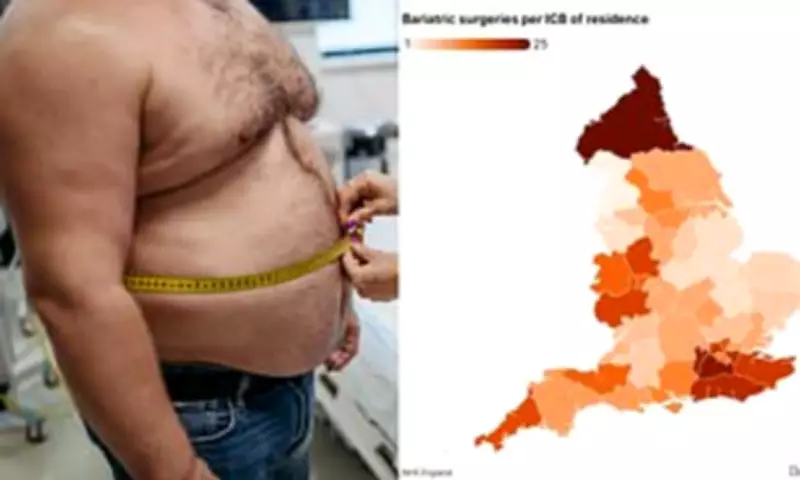
Geographical analysis reveals significant regional variations in surgical provision. The North East and North Cumbria region performed the highest number of procedures, with 785 operations in 2024-25, marking a sharp increase from 565 the previous year, representing nearly a 40 percent rise. This region continues to report some of England's highest obesity levels, with over 70 percent of adults classified as overweight or living with obesity.
Childhood obesity remains particularly concerning in this area, with 24.5 percent of 10-11-year-olds in the North East and 34.3 percent of Year 6 children in North Cumbria recorded as having excess weight. Other integrated care boards with higher procedure rates per 100,000 population included Surrey Heartlands, Frimley, South East London, and Sussex.

Conversely, six integrated care boards recorded fewer than five procedures per 100,000 people, including Norfolk and Waveney, Cambridgeshire and Peterborough, Cheshire and Merseyside, Leicester, Leicestershire and Rutland, Lincolnshire, and Lancashire and South Cumbria. Lancashire and South Cumbria recorded just 25 procedures total, with NHS data indicating that most patients travelled outside their local area for treatment, highlighting significant cross-boundary access challenges. On average, patients from this region travelled approximately 64 kilometres to receive surgical care.
The substantial increase in NHS weight-loss surgery underscores the escalating public health challenge of obesity in England, while simultaneously revealing persistent geographical inequalities in access to these potentially life-changing surgical interventions.