A patient watchdog has issued a stark warning that a growing number of people are turning to private healthcare due to concerns over NHS waiting lists, highlighting a troubling shift towards a two-tier health system. Healthwatch England revealed that the proportion of individuals paying for private medical services has increased significantly over the past two years, with many citing excessively long NHS waiting times as the primary reason.
Sharp Rise in Private Healthcare Access
The organisation conducted a comparative analysis of survey responses, polling 1,758 people in England in September 2023 and 2,593 adults at the end of last year. The findings show a notable jump: in 2023, nine per cent of respondents reported accessing private healthcare in the previous year, but by 2025, this figure had risen to 16 per cent. This surge underscores a growing trend where those who can afford it are opting out of NHS queues to secure faster care.
Reasons Behind the Shift
When asked about their motivations for using private services, 39 per cent of respondents pointed to NHS waiting times being too long, while three in ten cited the greater convenience of private healthcare. The data also indicates that individuals earning more than £80,000 annually are more likely to have paid for private treatment recently. Healthwatch England cautioned that this trend is occurring against a backdrop of low confidence in NHS hospital services, despite recent figures showing a slight decline in overall waiting lists.

NHS Waiting List Dynamics
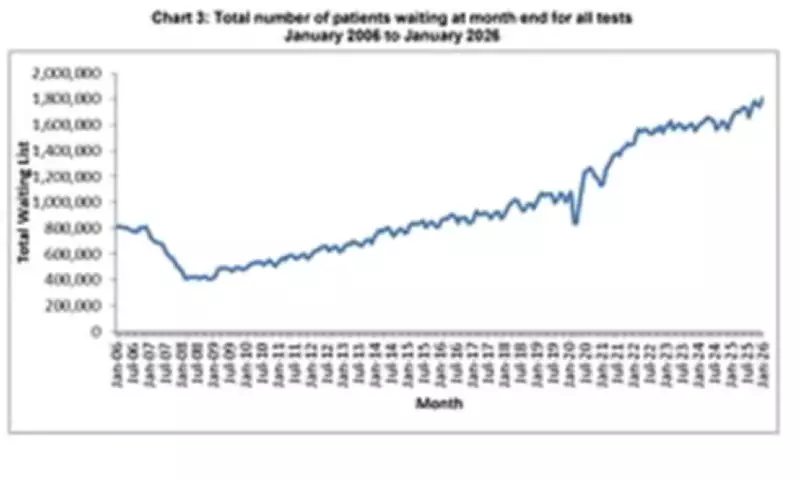
According to NHS statistics, the waiting list for treatments in England has decreased for the third consecutive month, with an estimated 7.25 million treatments pending at the end of January, down from 7.29 million in December. This marks the lowest level since February 2023. However, the total number of patients awaiting NHS diagnostic tests has risen sharply over the past year, nearing 1.8 million, which may be contributing to the perception of delays.
Call for Accelerated Reforms
Chris McCann, acting chief executive at Healthwatch England, emphasised the urgency of addressing these issues. He stated, The NHS 10-Year Plan aims to tackle long waits for elective care, however, this work needs to move faster if we want to boost patient confidence, stop the move towards two-tier healthcare, and restore the NHS as a truly universal service for all. McCann added that all patients should receive consistent service levels, including timely communication about referrals and updates while on waiting lists.
Industry and Government Responses
David Hare, chief executive of the Independent Healthcare Providers Network, commented that it is not surprising people are funding their own treatment, describing this as a new normal where individuals access private services alongside or instead of NHS care. An NHS England spokeswoman highlighted record numbers of appointments and tests delivered in 2025, which have reduced waiting lists to their lowest in three years. Meanwhile, a Department of Health and Social Care spokesman pledged to end the two-tier system, stating, We will end the unacceptable, two-tier, healthcare system we inherited that leaves patients feeling they have no choice but to go private.
The watchdog's report serves as a critical reminder of the challenges facing the NHS, as patient behaviour shifts in response to perceived inefficiencies, potentially widening health inequalities across the UK.