NHS Set to Miss Key Waiting Time Targets, Analysis Reveals
Exclusive analysis has uncovered that the NHS in England is poised to miss critical targets for reducing waiting times in A&E, cancer care, and planned hospital treatment. This development leaves millions of patients facing persistently long delays and casts doubt on pledges made by Health Secretary Wes Streeting to improve performance by the end of the parliament in 2029.
Performance Shortfalls Across Key Areas
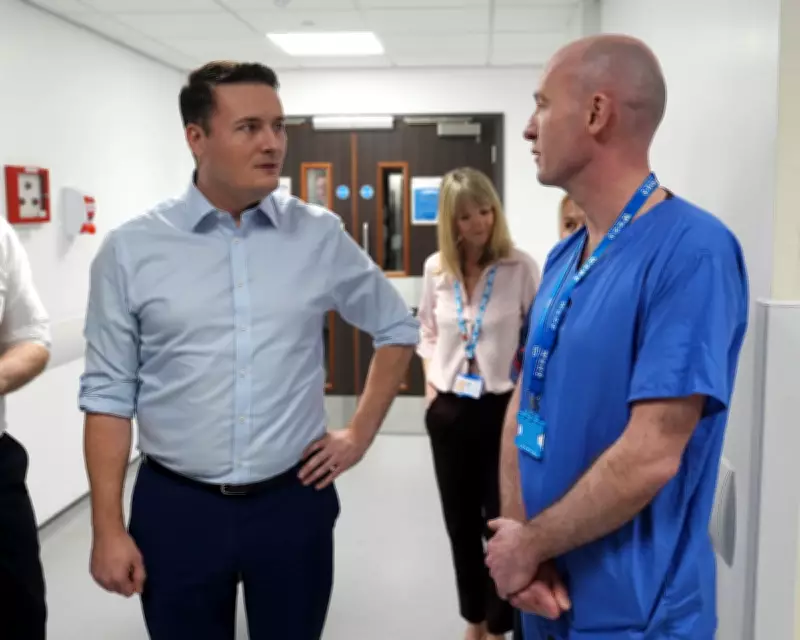
A Guardian analysis of the most recent NHS data indicates that the health service will not achieve a series of milestone improvements demanded by ministers by the fiscal year-end on Tuesday. The findings raise significant questions about Streeting's recent assurances, delivered during a visit to Trafford General Hospital in Manchester in February, where he asserted the NHS was on track to reduce waiting times.
This gloomy picture emerges despite the NHS allocating an extra £120 million to hospitals in recent weeks for a pre-deadline "elective sprint," aimed at boosting appointments and operations to meet targets by 31 March. However, the data suggests this effort may fall short.

Specific Targets at Risk
Elective Care: Streeting has repeatedly promised to ensure that 92% of patients waiting for non-urgent hospital care receive it within 18 weeks by 2029. However, in January, only 61.5% of patients were seen within this timeframe, up from 58.9% in January 2025 but still below the 65% year-end target for 2025-26. Only 52 out of 150 trusts achieved 65% performance in January, with 44 trusts showing worsened performance due to unrelenting demand and budget constraints.
A&E Wait Times: The NHS is also off-track to meet its year-end target of treating 78% of A&E patients within four hours. In February, just 74.1% of arrivals were treated within this period, falling short of the goal.
Ambulance Response Times: The analysis found the NHS is likely to miss the deadline for improving "category two" ambulance response times, which include callouts for strokes and heart attacks, to an average of 30 minutes. In January, response times improved but remained at 30 minutes and 25 seconds, with five out of 11 ambulance trusts failing to hit the target.
Political and Public Implications
The findings are a concern for Prime Minister Keir Starmer, given Labour's commitment to "get the NHS back on its feet" and the public's strong desire to end long waits for care that have persisted since 2015. Helen Morgan, the Liberal Democrats' health spokesperson, criticized the situation, stating, "These missed targets have very real human consequence. Patients will now be forced to face long delays for care they desperately need due to an NHS that isn't up to scratch."
She added, "Labour promised the world but have delivered little on our NHS. Patients still languish on corridors, can't see a GP and wait too long for treatment. This is the biggest of all Starmer's broken promises."
Mixed Progress and Expert Insights
On a more positive note, the NHS is boosting patient satisfaction with GP appointments, a key target for this year and a public priority alongside speedy A&E care. However, experts warn that meeting government pledges will require substantial effort.
Tim Gardner, assistant director of policy at the Health Foundation, commented, "Recent progress is encouraging, but meeting the government's pledges to reduce waiting times will require a herculean effort. It's touch and go whether the current 'sprint' will be enough to meet this month's interim target, with substantial variation across the country and some trusts struggling to even get close."
Projections by the thinktank suggest Labour may not deliver its pledge to ensure 92% of patients receive elective hospital care within 18 weeks by 2029. Stuart Hoddinott, an associate director at the Institute for Government, noted, "Overall there has been some progress on waiting times since Labour took office in July 2024. But it was from an incredibly low base and was already trending upwards. Crucially, additional funding and staffing are not translating into rapid improvements in performance."

Diagnostic Waiting Lists on the Rise
Separate analysis by Magentus, a firm working with NHS diagnostics services, reveals that the number of people in England waiting for a diagnostic test has reached 1.8 million, the highest since the Covid pandemic. Delays in getting X-rays or scans are limiting the NHS's ability to address its backlog.
Key findings include:
- The number of people waiting more than 13 weeks for a test has risen to 139,652, exceeding the six-week maximum.
- Based on recent growth, the diagnostic waiting list is projected to hit 2 million by September next year.
- Despite trusts delivering high volumes of tests, the waiting list continues to grow.
Marlen Suller, Magentus's managing director for clinical diagnostics, explained, "Diagnostic waiting lists are still growing, which can mean worrying waits for many patients. A test or scan is the starting point for many people's journey through the healthcare system, and delays at this stage can hold everything else up."
Government Response and Future Outlook
In response, an NHS spokesperson stated, "Analysing old data misses the fact that the NHS is currently working flat out to achieve its ambitions and has improved dramatically since the end of January. NHS weekly management information shows that this effort has got us within a hare's whisker of the 18-week target, with two weeks to go. We've delivered record numbers of appointments, tests and scans in 2025 and reduced the waiting list to its lowest level in three years."
Streeting, speaking last week, insisted the government would hit targets for A&E care, cancer treatment, and ambulance response times, citing a reduction in waiting lists by 374,000 since Labour came to power. However, with current data indicating missed milestones, the path to 2029 remains fraught with challenges as the NHS grapples with funding, staffing, and escalating demand.