NHS Strike Crisis: Doctors Call for Diplomatic Resolution Amid Deep Divisions
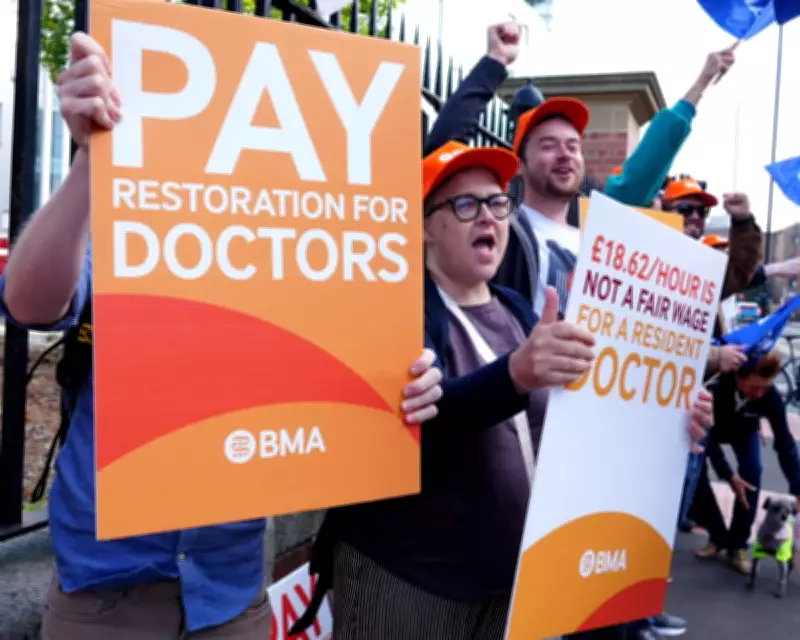
Senior NHS physicians have issued a stark warning that ongoing junior doctor strikes are causing significant harm to the National Health Service while exposing profound divisions within the medical profession itself. In response to recent commentary by Polly Toynbee, consultant doctors Dr Helen Holt and Dr Peter Davis present contrasting perspectives on the industrial action that continues to disrupt healthcare services across the country.
The Human Cost of Industrial Action
Dr Helen Holt, a consultant physician and chair of the medical staff committee at University Hospitals Dorset, acknowledges that Polly Toynbee is correct in asserting that the time has come to halt the doctors' strikes. Contrary to suggestions that medical professionals remain insulated from the consequences of industrial action, Dr Holt emphasizes that doctors are experiencing considerable distress about the situation.
"We are anxious about our patients and their cancelled appointments and procedures," she explains. "We are exhausted covering work that we are not familiar with, and those being paid overtime for shifts they don't want to do are uncomfortable about the financial impact on the NHS."

From Reluctant Support to Growing Concern
Dr Holt reveals that many senior doctors initially supported industrial action reluctantly when the government appeared unresponsive to concerns about junior colleagues' pay erosion relative to contemporaries in other professions. However, the prolonged dispute has revealed troubling divisions among resident doctors themselves, creating what she describes as a deeply conflicted medical workforce longing for resolution.
"Now we see how divided and conflicted resident doctors are too, and we long for a resolution," Dr Holt states. "We recognise that the strikes are harmful. Communication and diplomacy are skills we pride ourselves on, and politicians have never needed them more than now."
She concludes with a powerful prescription: "Diplomacy is the way to resolve this crisis for our NHS as well."
A Dissenting Voice Within the Profession
Dr Peter Davis from Bristol presents a markedly different perspective, revealing that as a British Medical Association member, he cannot support the latest strike action. He challenges the fundamental premise of the pay dispute by questioning the relevance of 2008 salary comparisons.
"None of the resident doctors working now were working in 2008," Dr Davis notes. "That year was chosen by the BMA in its demands, as pay was at its highest point ever at that time. But working conditions were very different, and included long hours."
Changing Work Patterns and Diminishing Support
The Bristol-based doctor observes that contemporary working arrangements differ substantially from historical patterns, with many resident doctors now working fewer than 40 hours weekly. He attributes this shift partly to improved compensation that enables reduced hours, including an annual bonus structure that incentivizes less-than-full-time employment.
Dr Davis reports diminishing support for strike action within the profession, noting that fewer resident doctors are voting for industrial action, with even fewer actively supporting ongoing strikes. In his own practice area, he reveals that no resident doctors have participated in the latest strike, with many instead attending educational sessions that continued throughout the industrial action period.
"We have also not cancelled any clinical activity," he adds, suggesting that the impact of strikes may be more variable than national reporting indicates.
The Looming Threat of Permanent Replacement
Perhaps most significantly, Dr Davis highlights the materialization of warnings issued by NHS England chief executive Jim Mackey regarding potential replacement of striking doctors. He observes that advanced practitioners are increasingly assuming permanent roles that might ultimately provide more consistent patient care than the rotational system governing junior doctor placements.

"The veiled threat by Jim Mackey that resident doctors will be replaced is absolutely playing out as advanced practitioners take on more roles on a permanent basis," Dr Davis states. "This potentially provides a more consistent and better service for patients than resident doctors, who rotate through different posts every few months."
A Profession at Crossroads
These contrasting physician perspectives reveal a medical profession grappling with complex internal tensions while attempting to advocate for both patient welfare and professional interests. The debate extends beyond simple pay disputes to encompass fundamental questions about:
- The sustainability of current NHS workforce models
- The appropriate balance between industrial action and patient care
- The evolving role of non-doctor practitioners within healthcare delivery
- The necessity for political diplomacy in resolving entrenched disputes
As the NHS strike crisis continues without clear resolution, these physician voices underscore the urgent need for constructive dialogue between medical professionals, healthcare administrators, and government representatives. The alternative—prolonged industrial action coupled with potential workforce restructuring—threatens to reshape British healthcare in ways that may extend far beyond immediate pay negotiations.