
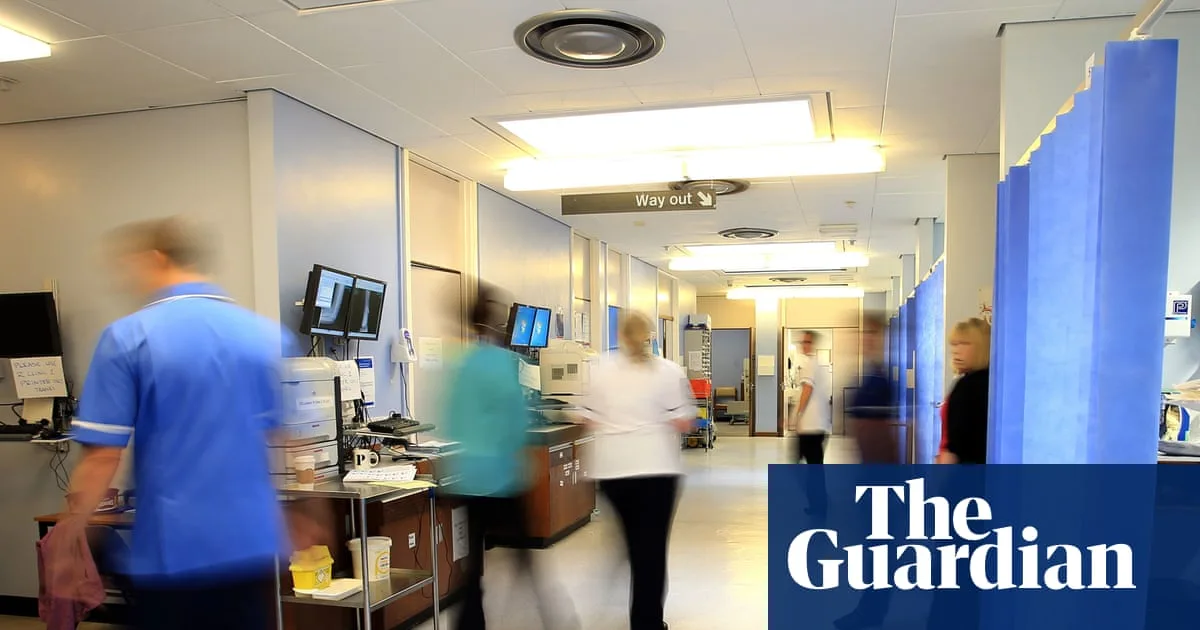
Resident doctors in England will strike for six days after Easter after rejecting what the British Medical Association described as the final offer from Health Secretary Wes Streeting to end the long-running pay dispute. The stoppage will run from 7am on 7 April to 6.59am on 13 April, marking the 15th industrial action by the group and the fourth consecutive year of strikes.
NHS leaders have warned that the walkout could cost the health service an estimated £300m, lead to widespread appointment cancellations, and increase waiting times for tests, treatment, and surgery. The BMA blamed the government for the breakdown in talks, accusing ministers of moving the goalposts in the final weeks of negotiations.
Streeting said the decision was “enormously disappointing”, noting that the rejected offer was “generous” and included a landmark deal for the profession with more frequent and fairer pay rises and additional training places. Talks had been ongoing since early January and both sides had reported progress until two weeks ago.
The central issue was pay progression, or “nodal point reform”, which determines how quickly doctors move through the NHS pay system. The BMA’s resident doctors committee had been negotiating for “full pay restoration” and wanted the entire £700m package – spread over three years in the government’s offer – to be delivered in the next financial year. The Department of Health and Social Care insisted on a phased approach.
Dr Jack Fletcher, chair of the BMA’s resident doctors committee, said the decision by the doctors’ pay review body to award a 3.5% rise next year convinced the union that the government would not meet their demands. The first strike by junior doctors began in March 2023, and Streeting offered a 22% increase in July 2024, but the BMA is seeking a further 26% to compensate for real-terms salary erosion since 2008-09. Both sides have indicated willingness to hold fresh talks, though the BMA has insisted any deal must include the full £700m in the upcoming financial year.




