
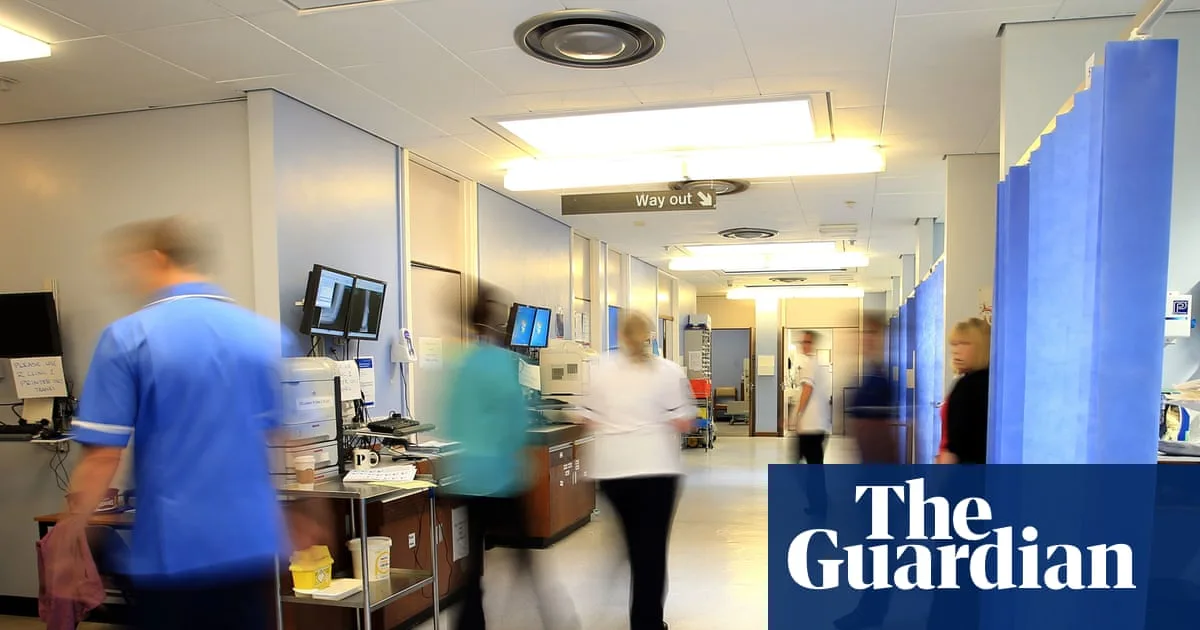
Resident doctors in England are set to begin a six-day strike from 7 April after rejecting what the government described as a final offer to end the long-running pay dispute. The British Medical Association (BMA) said the walkout, the longest so far, was due to the government shifting its position during negotiations.
The strike, scheduled from 7am on 7 April to 6:59am on 13 April, marks the 15th industrial action by resident doctors in their campaign for full pay restoration. NHS leaders warned the strike could cost the health service an estimated £300 million, leading to cancelled appointments and longer waits for patients.
Health Secretary Wes Streeting expressed disappointment, stating that the BMA had rejected a generous offer that included higher salaries through more frequent pay rises and additional training places. The deal would have provided resident doctors with about £700 million over three years, with £150 million in the next financial year, £200 million in 2027-28, and £300 million in 2028-29.
The BMA’s resident doctors committee (RDC) said negotiations had been progressing until two weeks ago when the government altered its stance on pay progression — the speed at which doctors advance through the NHS pay system. The union wanted all extra money delivered in 2026-27, while the Department of Health and Social Care (DHSC) insisted on spreading it over three years.
Dr Jack Fletcher, chair of the RDC, blamed the breakdown on the government’s refusal to meet the union’s timeline. The decision by the review body on doctors’ and dentists’ remuneration to award a 3.5% pay rise for next year further convinced the BMA that the government was not willing to meet their demands. Both sides have indicated willingness to resume talks, but the BMA has said a deal is only possible if the full £700 million is provided in the upcoming financial year.




