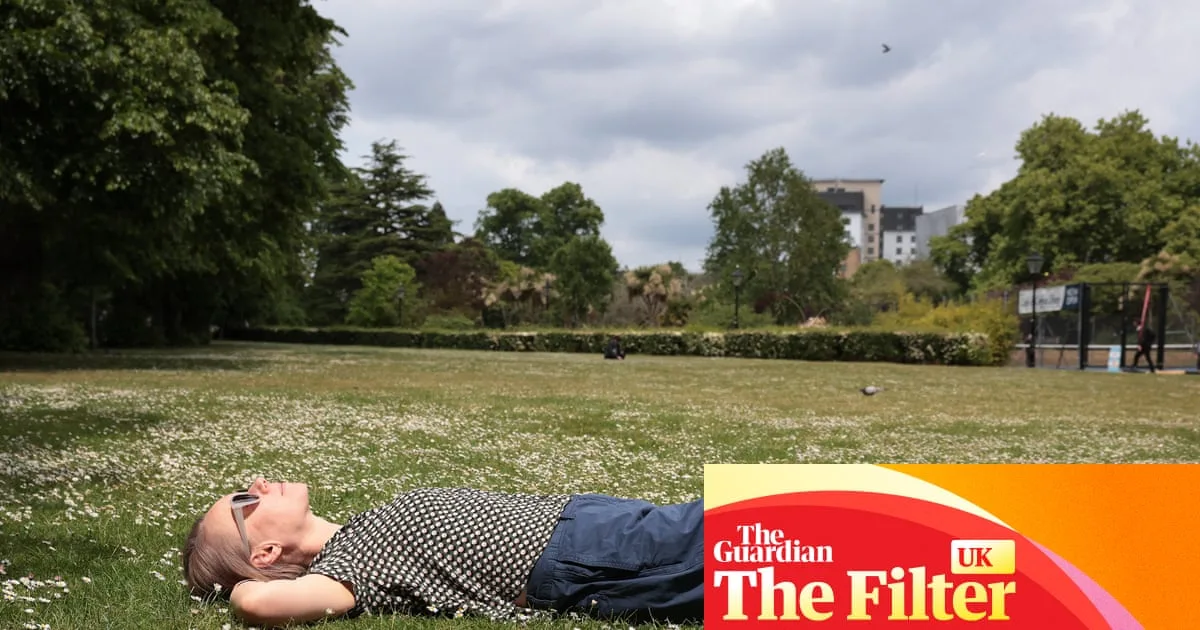
NHS GP Unveils Alternative Hay Fever Strategies Beyond Conventional Medication
With approximately sixteen million individuals across the United Kingdom grappling with hay fever, the onset of spring has triggered widespread symptoms as the Met Office recently issued red alerts for nine regions, anticipating further pollen surges throughout the season. In response, an NHS general practitioner is advocating for the integration of unconventional techniques into treatment regimens, supplementing traditional antihistamines and nasal sprays.
The Vaseline Barrier Method: A Simple Yet Effective Defence
Dr Asimah Hanif, an NHS GP, highlights a straightforward barrier approach involving petroleum jelly. "It's a simple barrier method, but it can be surprisingly effective, especially if you're heading outside on a high-pollen day," she explains. "The NHS recommends it for a reason. Just apply a small amount to the rim of each nostril before going out, and wipe and reapply when you come back in."
This thin layer physically traps pollen and other airborne allergens, preventing them from entering airways and triggering reactions. For those preferring alternatives, some pharmacies offer specialised allergy barrier balms as substitutes for Vaseline.
Quercetin: The Natural Antihistamine in Your Diet
Dr Hanif points to quercetin, a plant flavonoid found in foods like red onions, capers, apples, and berries, which inhibits histamine release—the primary cause of hay fever symptoms. "Quercetin works a bit like a natural antihistamine," she notes. "It doesn't act as quickly as medication, and the evidence is stronger in lab settings than in clinical trials, but there's a real biological reason why people who eat a diet rich in these foods might find their symptoms more manageable. If you're already reaching for onions and berries regularly, keep it up."
Avoiding Smoke to Reduce Pollen Sensitivity
As spring activities like barbecues and bonfires resume, Dr Hanif advises hay fever sufferers to steer clear of smoke, which can irritate nasal passages and exacerbate pollen-related discomfort. "Smoke makes it harder for your airways to cope with pollen," she warns. "It doesn't cause hay fever, but it significantly lowers your threshold for symptoms. On high-pollen days especially, it's worth giving bonfires and barbecues a wide berth."
Travel Considerations: Pollen Profiles Abroad
Dr Hanif, who also serves as a medical expert for travel insurance provider Staysure, cautions that travelling during hay fever season might worsen symptoms due to varying pollen profiles in different countries. Destinations like Reykjavik have low year-round pollen counts, whereas popular summer spots such as Madrid, Milan, and Zurich experience high levels, particularly in early summer.
"It's not just about pollen levels," she explains. "You're also being exposed to plant species you've never encountered before, so your immune system hasn't built any tolerance at all. Checking pollen forecasts for your destination before you travel is a really sensible step. People are sometimes surprised to find their symptoms are worse on holiday than at home."
She emphasises the importance of declaring hay fever to travel insurers, noting it typically doesn't increase premiums unless asthma is also present. "If hay fever is affecting your asthma, making symptoms more frequent or harder to control, you'll want to know that you have the backup of your travel insurance just in case," Dr Hanif advises. "Medical travel insurance exists precisely for situations like this, and not declaring the conditions you live with and manage on a daily basis can make an enormous difference if you need medical treatment for a flare-up while you're away or if something else goes wrong that could be related to one of the conditions."






