
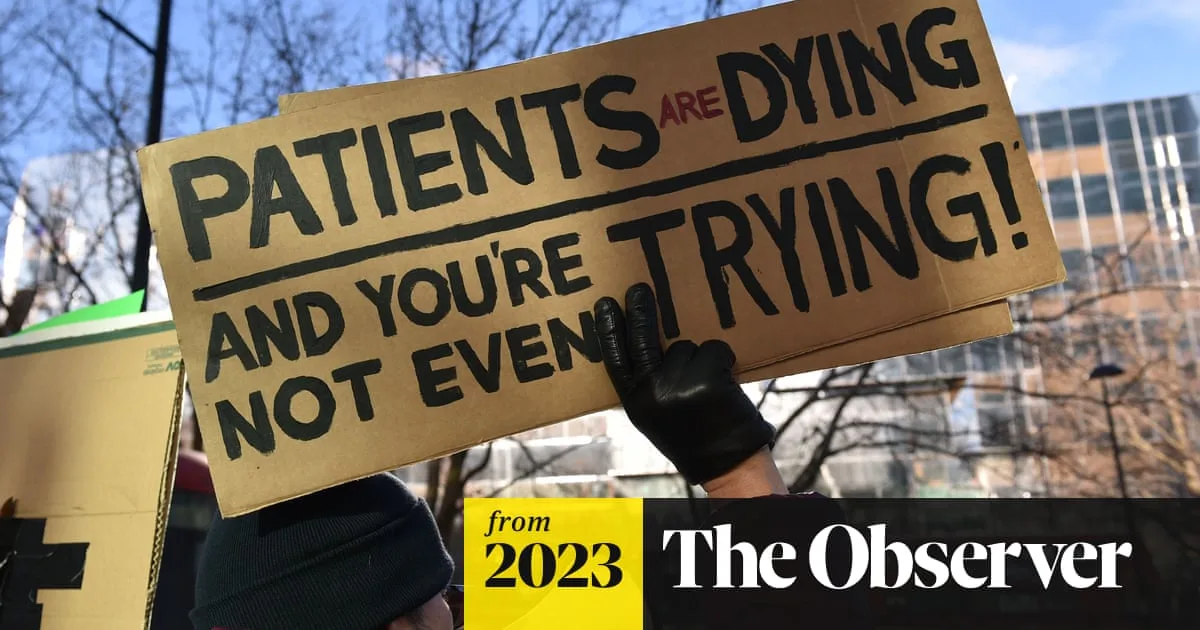
The NHS crisis has surged to the top of the political agenda, with daily reports of a health service under unprecedented strain. Polling indicates a rapid increase in voters prioritising healthcare as an urgent issue, driven by direct personal experiences of a collapsing system. This heightened salience poses severe electoral risks for the Conservative government, as voters directly attribute blame to a decade of Tory rule.
The government faces significant constraints in addressing the crisis. Holding the line on pay risks deepening the worst recruitment crisis in NHS history, while accepting higher pay rises would require spending increases that the Treasury opposes and tax rises that anger Conservative backbenchers. Additionally, fixing ambulance and A&E wait times depends on resolving the social care crisis, but Prime Minister Rishi Sunak abandoned a promised tax rise for social care and kicked reform into the long grass.
Even if the political will existed to allocate the necessary resources, it may be too late to deliver meaningful improvements before the next election. A decade of underinvestment in staff and infrastructure cannot be reversed in two years. While some progress might be made on vacancies and backlogs, it is likely to be too little, too late to shift public perception.
The Conservatives' longstanding reputation as untrustworthy on the NHS amplifies the danger. The current crisis reinforces Labour's attack line that "you can't trust the Tories with the NHS." The searing memories of ambulances waiting hours, elderly relatives on trolleys, and chaotic A&Es will endure, and voters who lived through this are unlikely to forgive or forget come election day.




