

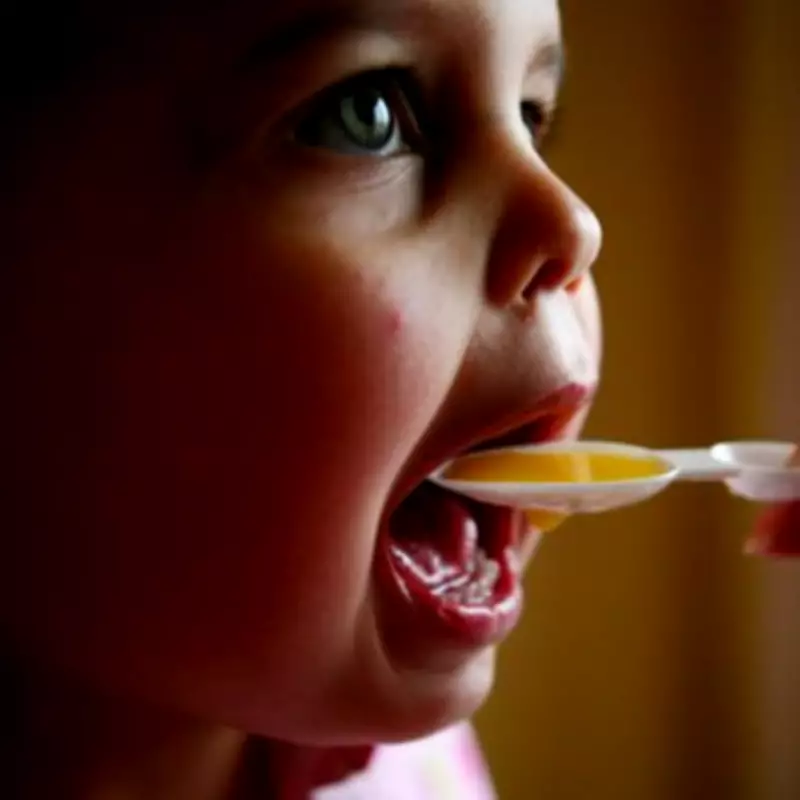
NHS Could Transition Children to Tablets, Saving Millions Annually
Groundbreaking research from Great Ormond Street Hospital (GOSH) in London suggests the NHS could begin administering tablets to children instead of liquid medicines, potentially saving millions of pounds each year. This shift not only offers significant financial benefits but also enhances the quality of life for young patients who often find liquid medications unpleasant.
Cost Savings and Patient Preferences Revealed in Trial
A recent trial at GOSH involved 19 children aged seven to 13 with congenital hyperinsulinism (CHI), a condition causing high insulin levels. These patients require daily doses of diazoxide to stabilise blood sugar. The study found that switching from liquid diazoxide, costing £15.50 per 50mg, to tablets at just £1.15 per 50mg could save the NHS approximately £40,000 per patient annually. Notably, many children preferred tablets, citing the avoidance of 'horrible' tastes.
Dr Antonia Dastamani, a consultant paediatrician and project co-lead at GOSH, highlighted the oversight in not previously consulting children about medicine tastes. "It is common practice to ask patients how they're finding treatment, but we never thought to ask about the taste of medicines and whether they like them," she explained. The trial monitored blood glucose levels to ensure stability during the switch, with positive outcomes.

Real-Life Impact: A Child's Perspective
Jess Manktelow, an 11-year-old from Kent who participated in the trial, shared her experience. "It has made a big difference taking medicine that doesn't taste horrible," she said. Previously, her school and family life revolved around administering liquid diazoxide multiple times daily, which required storage at room temperature and use of a syringe. Jess added that the switch has simplified her routine, allowing more independence and less disruption during activities like climbing.
Her mother, Steph Manktelow, expressed relief, noting that tablets give Jess greater control over her condition. "We were so excited when the team told us we could switch to the diazoxide tablets. We knew it was a better solution," she remarked.
Expanding the Initiative to Younger Children
Building on the trial's success, GOSH plans to assess whether children as young as four can transition to tablets. This could revolutionise NHS practices, as liquid medicines are not only more expensive but also pose logistical challenges, including shorter expiry dates and storage difficulties. Kate Morgan, a clinical nurse specialist at GOSH, emphasised the unexpected quality-of-life improvements. "The scale of the quality-of-life improvements for children and their families we are seeing is something we didn't anticipate," she stated.
Emerging evidence supports children's ability to swallow tablets, especially with early training. Previous research has proposed establishing 'Pill Schools' within the NHS to teach swallowing techniques. The potential savings extend beyond CHI; for example, the blood-thinning drug warfarin costs £100 for a liquid bottle versus £2 for 28 tablets.
Broader Implications for NHS Policy
This initiative underscores a shift towards involving children more actively in their care. Dr Dastamani noted, "This has shed a light on key questions we now want to ask children and young people about their care and treatment so they can be more involved and have more independence." Nurse Kate Morgan added that such changes positively impact entire families, as illnesses affect everyone involved.
With CHI affecting one in every 30,000-40,000 children, the financial and personal benefits of switching to tablets could be substantial. The NHS may soon adopt this approach more widely, prioritising both cost-efficiency and patient well-being in paediatric care.






