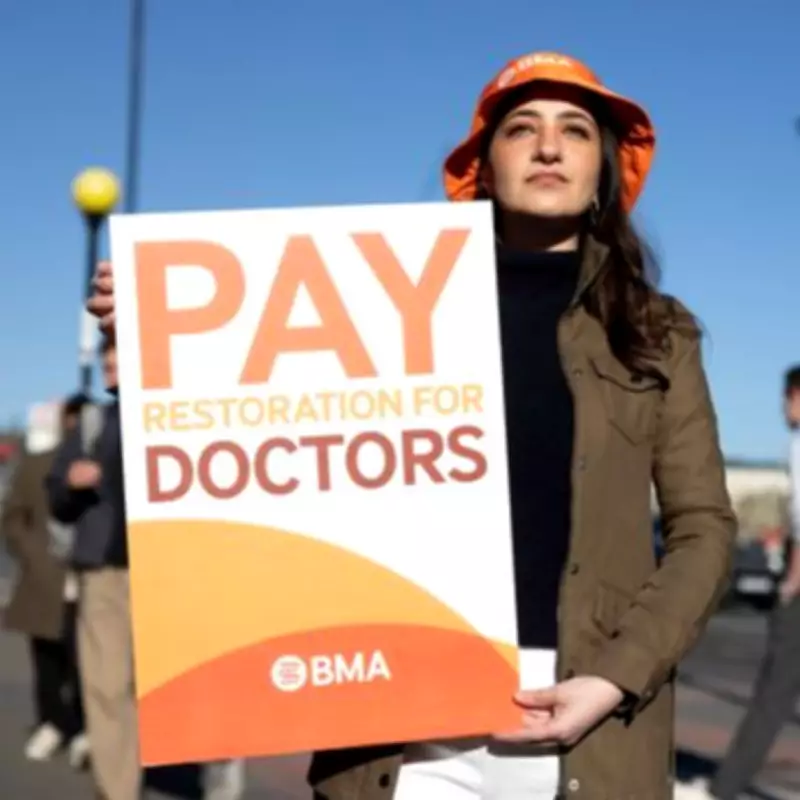
NHS Doctors' Strikes Accumulate £3 Billion Cost Amid Pay Dispute
The protracted industrial action by doctors has now imposed a staggering £3 billion financial burden on the National Health Service, as the bitter standoff between the British Medical Association and Health Secretary Wes Streeting shows no signs of resolution. This colossal sum, revealed as doctors embarked on their fifteenth day of strikes this week, has ignited fierce debate over responsibility and the future of healthcare funding.
The Escalating Conflict and Its Financial Toll
Health Secretary Wes Streeting emphasised that the £3 billion expenditure could have financed the construction of two entirely new hospitals, highlighting the opportunity cost of the ongoing strikes. In response, doctors' representatives countered that settling the dispute would have required just £2 billion, underscoring the deep divide in perspectives. This exchange represents the latest volley in a conflict that has persisted since 2023, resulting in hundreds of thousands of cancelled hospital appointments and significant operational disruption across the NHS.
The British Medical Association has demonstrated remarkable effectiveness in mobilising its highly educated membership, organising sustained industrial action that has made it one of the country's most potent trade unions. The core of the dispute traces back to March 2023, when resident doctors—previously termed junior doctors—initiated their campaign for "pay restoration" following over a decade of real-terms salary erosion under Conservative governments.

The Case for Continued Industrial Action
According to the Retail Price Index measure of inflation, resident doctors have experienced a 21% real-terms pay reduction since 2008. The BMA attributes this decline to inadequate pay increases during periods of high inflation, exacerbated by economic policies during Liz Truss's brief premiership. The union seeks a multi-year commitment to above-inflation pay awards that would eventually restore salaries to 2008 levels, requiring an additional 26% increase after inflation adjustment.
Dr Jack Fletcher, chair of the BMA's Resident Doctors Committee, explained their position: "What the Health Secretary is asking us to reconsider now is essentially will you bake in more real terms pay cuts, not just this year, but for future years? We're more than willing to reconsider any offer, but we cannot accept further real-terms pay reductions." The BMA maintains that without the threat of sustained industrial action, meaningful pay restoration will remain unattainable.
Compounding these concerns, doctors report deteriorating working conditions and warn of potential emigration if the situation remains unresolved. The union emphasises that even with recent offers, the proposed 3.5% pay increase for 2026/27 represents a real-terms cut against the current RPI inflation rate of 3.6%.
The Government's Position and Counterarguments
Wes Streeting has focused attention on the before-inflation pay increases granted to resident doctors since Labour assumed power in 2024. The Health Secretary stresses that his proposed package would leave doctors 35.2% better off on average compared to four years ago, incorporating a 3.5% headline pay rise supplemented by exam cost reimbursements and additional medical training places.
"The fact is that with the BMA, the only thing that stops them from striking is a level of funding that is simply unaffordable given the state of the public finances," Streeting stated. He highlighted broader considerations, including fairness to other NHS staff who have received lower offers, with nurses and midwives typically receiving 3.3% increases for 2026-27.
The Health Secretary has challenged the BMA's use of 2008 as a benchmark, arguing it represents an unreasonable expectation for rapid pay restoration. He has cautioned that doctors might secure less favourable terms should Labour lose the next general election, while urging the union to acknowledge the constraints of governing during challenging economic times.

Disputed Details and Accusations
The dispute has intensified over conflicting accounts of negotiation details. The BMA alleges that the government introduced "last minute changes" to phase portions of the pay increase over three years, while NHS leaders dispute this characterization and criticise the union for not presenting the offer to members for a vote.
Streeting expressed frustration with the negotiation process: "What we have seen in the last few months is that these people will get around the table, negotiate apparently in good faith... and then their committee rejected it, despite there being a 4.9% average pay rise, the training places, the scrapping of exam fees, action on pay and jobs that they were calling for."
Dr Fletcher maintained that the latest strike action was preventable: "This round of action was called because at the last minute, the Health Secretary chose to reduce the value of the investment on the table and then stretch it over a number of years. We gave him several opportunities to reverse that decision, and the Government decided not to."
As the £3 billion cost continues to mount, both sides remain entrenched in their positions, with patients and NHS services caught in the middle of this protracted and costly dispute over fair compensation for medical professionals.