
The NHS is to “double match” blood for kidney transplant patients to make sure their donated kidney is less likely to be rejected. As well as ensuring that blood is matched by type, scientists will also match white blood cells as closely as possible. NHS Blood and Transplant (NHSBT) said the move will potentially prevent 100 kidney transplants being rejected each year.
New programme rolled out across England
Health service officials are to roll out the programme for all kidney transplant patients after a successful pilot scheme at Hammersmith Hospital and the Royal Free, both in London. Around two in every five kidney transplant patients need blood transfusions before or after transplant. After transfusion some patients will make antibodies and if these are directed to the newly donated kidney, this can increase chances of organ rejection.
Experts found that matching white blood cell type – also known as tissue type or HLA type – as closely as possible between the blood donor and the organ transplant patient will mean that the patient should be less likely to reject the “foreign” organ. After the successful pilot scheme, NHSBT is now spending £1.37 million to roll out the programme across England. It will also work with partner blood services in the other UK countries to provide blood.
Experts welcome the initiative
Programme lead, Dr Colin Brown, from NHSBT and a consultant clinical scientist, said: “Blood transfusions save lives but for people on the transplant waiting list they carry a particular risk. By providing a new service to the wider NHS where we double match blood for white cells as well as red cells, we can reduce kidney rejection, and help stop so many people waiting many years for a match or even dying before they receive one.”
Dr Michelle Willicombe, consultant nephrologist at Imperial College Healthcare NHS Trust, who worked on the initial pilot, added: “The roll-out is really positive news for kidney transplant patients, which I hope will help address health inequalities, reduce waiting times and ultimately save lives. The clinical consequences of developing HLA antibodies can be devastating and lead to a transplant failing. But we’ve seen in our pilot how blood matching can reduce the risk.”
Patients share their experiences
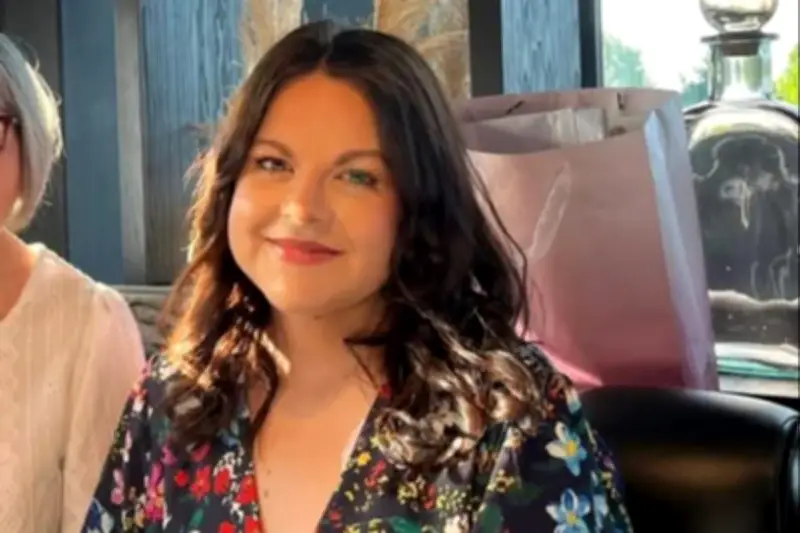
Ellyn Laws, from Walkergate in Newcastle, developed chronic kidney disease aged two. The 30-year-old has had four transplants and is awaiting her fifth. Ms Laws has high levels of antibodies and her medical team has told her she may struggle to get a transplant in a reasonable timeframe. “I have been told that I am highly sensitised, due to the blood transfusions and multiple kidney transplants,” she said. “My chances of getting a kidney within the next five years are extremely slim, and I have been told my dialysis access options potentially won’t see me to transplant. I feel as though I’m fighting to just make it through the day-to-day. A kidney would give me a future I don’t see myself having right now. This new programme sounds like a positive step – I am completely behind it. Seeing how science has progressed since I was diagnosed in 1997 is remarkable. If it means more people are in with a chance of living their lives to the fullest, I am all for it.”
Laura, 36, from Nottinghamshire, a married mother of one, said matching for HLA types would help alleviate the worry of antibody formation and rejection. The NHS dietetic assistant, who did not give her surname, has had three kidney transplants. Her own kidneys were removed due to a Wilms tumour, a type of childhood kidney cancer. She had transplants from deceased donors in 1994 and 1997, which were then rejected. She had a kidney from her father in 2004, which is still functioning well. “I’ve had more than 10 blood transfusions,” she said. “Matching the blood for white blood cells will be extremely helpful because antibodies are always a worry. If I need blood, I am scared I will get them. If that risk can be alleviated it will be a massive relief. This is very much a risk kidney patients worry about. When I get my bloods done, I always want to know there’s no evidence of new antibodies. Antibodies and rejection are always in the back of our minds.”
Waiting list remains high
Fiona Loud, policy director for Kidney Care UK, said: “The waiting list is sadly at an all time high, so where there are barriers like over-sensitisation, we very much welcome the science that could now make it possible to avoid an immune response which makes it more difficult to achieve or retain a successful kidney transplant. This news is reassuring to kidney patients, who frequently need blood transfusions, and women with kidney disease who want to have children.” In June, there were 7,304 people waiting for a kidney transplant or a combined kidney and pancreas transplant, according to NHSBT figures. Around 250 to 300 people die waiting for a kidney transplant each year.




