

An exclusive new drug trial is offering hope for eradicating bowel cancer, a disease that is increasingly affecting young adults. The breakthrough immunotherapy treatment could transform how the NHS manages this condition, potentially sparing patients from needing a colostomy bag.
Rising incidence in under-50s
Bowel cancer, which often presents with common symptoms making diagnosis challenging, now claims nearly 17,000 British lives annually. Alarmingly, its incidence is rising among those under 50. The disease claimed the life of TV presenter Dame Deborah James, known as "Bowel Babe," in 2022 at the age of 40.
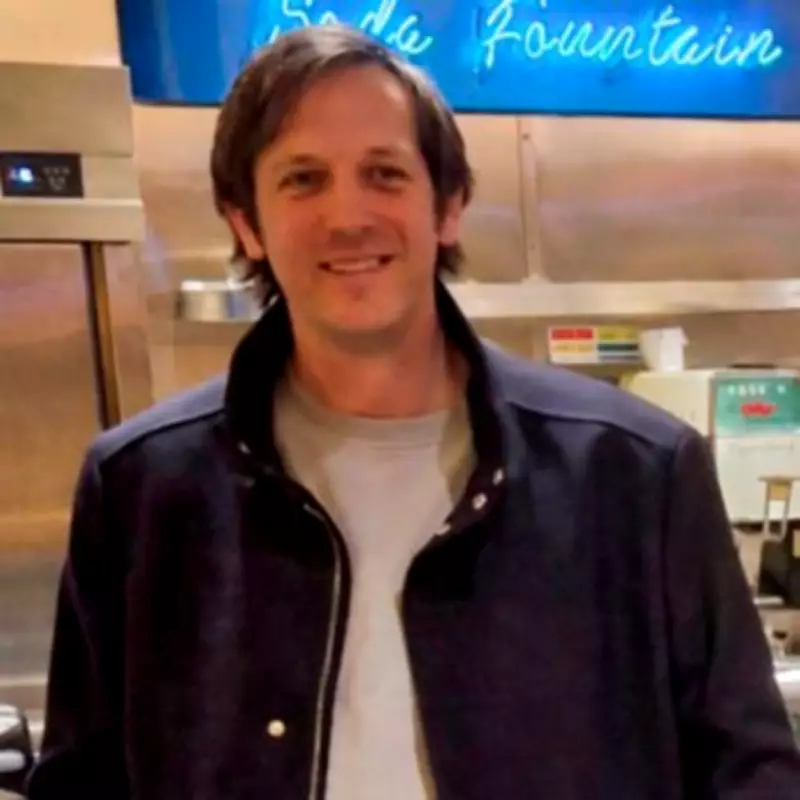
Train driver Nick Cleworth, 48, shared his story of how a golf ball-sized tumour was completely eradicated by the new immunotherapy drug, eliminating the need for surgery that would have left him with a permanent colostomy bag.

How the trial works
Nick received the drug palupiprant alongside standard chemotherapy and radiotherapy as part of the ongoing ARTEMIS trial, which involves 140 patients across 22 NHS sites. The drug stimulates the body's own immune response against cancer, helping it recognise and destroy cancer cells.
Nick recalled: "I had a chat with the surgeon at my local hospital who said that because of the size and position of my tumour, he wouldn’t be able to operate without leaving me with a permanent colostomy bag. Although I was willing to do anything to get rid of my cancer, it wasn’t ideal."
Why is bowel cancer rising in younger people?
A previous Lancet study found that rates of early-onset bowel cancer in those aged 25 to 49 are rising more sharply in England than in many other countries. Experts believe poor diet, increased consumption of ultra-processed foods, obesity, and lack of exercise may be contributing factors.
Nick, married to wife Louise for 20 years, knew he was at greater genetic risk because his father died from the disease. When blood appeared in his stool in late 2024, scans revealed a 4cm tumour in his rectum that had spread to nearby lymph nodes. "My dad was 48 when he died from bowel cancer, the same age that I am now, so I’d always been vigilant. But the diagnosis still hit me extra hard," he said.
Hope from immunotherapy
After meeting with consultant Dr Claire Arthur at The Christie NHS Foundation Trust in Manchester, Nick learned he might be eligible for the ARTEMIS trial. An earlier phase 1b trial of palupiprant had eradicated cancer in 36% of participants after six months of treatment.
Nick said: "I was much more positive coming out of that first meeting. She was very calm and reassuring. I left feeling hopeful for the first time since my diagnosis." A scan in July showed he was cancer-free, and he has remained so. "I know there’s a chance my cancer could come back, but I’m taking each day as it comes. Thanks to the trial, I didn’t have to have surgery," he added.
Bowel screening and clinical trials
Bowel cancer is a general term for cancer that begins in the large bowel, often developing from precancerous polyps. NHS data shows bowel screening has surged by almost 50% in a decade, with Dame Deborah James credited for boosting uptake.
Dr Arthur said: "Immunotherapy has only been around for a relatively short time, but it is an exciting development. It harnesses the body’s immune system to fight the cancer." The ARTEMIS trial is a phase II study testing whether adding palupiprant to radiotherapy and chemotherapy is more effective than standard treatment alone.
Clinical trials typically go through three phases before approval. Phase I determines dosage and side effects, phase II assesses effectiveness, and phase III confirms results in larger groups. The ARTEMIS trial aims to change how rectal cancer is treated on the NHS.
Dr Arthur added: "It’s great to see Nick has had such a good response. Although ARTEMIS is still in early stages, a smaller study showed promising results. By involving more patients, we hope to validate those findings."
The NHS is part of the Be Part of Research initiative, allowing people to express interest in clinical trials across the UK.






