NDIS Plan Change Delays Exceed 100 Days, Leaving Disabled Participants in Crisis
Internal National Disability Insurance Scheme (NDIS) documents, released under freedom-of-information laws, have exposed severe delays in processing changes to disability support plans, with wait times ranging from three weeks to more than three months. These delays are causing significant harm to participants who rely on timely access to essential equipment and services.
Peter's Six-Month Wait for an Obsolete Wheelchair
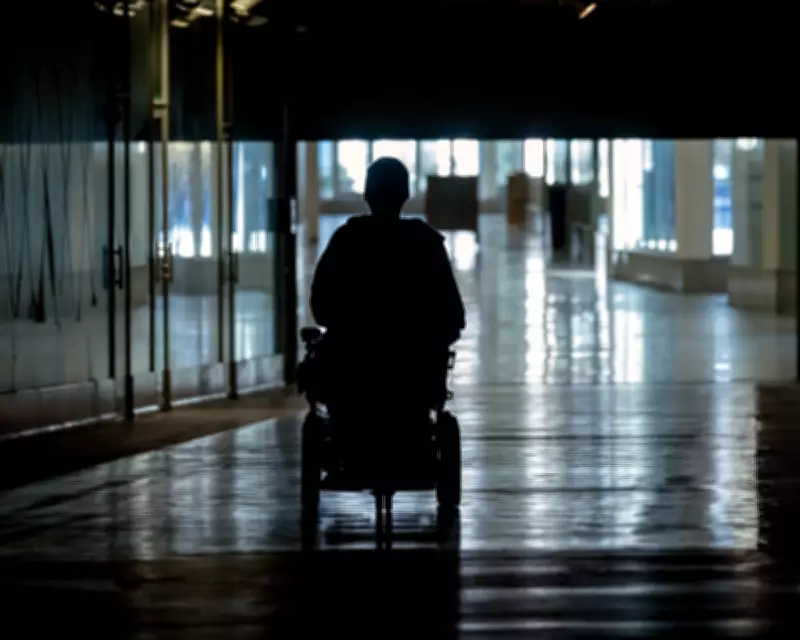
In September 2023, Peter, a pseudonym for a participant with spinal muscular atrophy type 2, requested a new wheelchair through the NDIS due to severe pain and rapid physical deterioration. His existing chair was inadequate and dangerous, failing to support his disfigured spine and causing choking risks during meals. Despite a detailed occupational therapist report costing over $1,000, which provided compelling evidence for the change, Peter waited six months for approval—far beyond the standard 28-day processing time.
By the time the wheelchair arrived in 2024, it was obsolete. Peter's body had changed so much during the delay that the new chair no longer met his needs, leaving him stuck in his old, unsafe equipment. He expressed frustration, noting that a $75,000 wheelchair sat unused in his hallway due to bureaucratic foot-dragging.

Widespread Delays and Backlog Statistics
The documents reveal that of 34,121 active plan change requests in mid-2025, 20,475 had taken between 22 and 111 days, with over 800 exceeding 112 days. Similar delays affected minor plan variations, with open requests tripling to 14,000 in the last quarter of 2024-25 compared to the previous quarter. Dr George Taleporos, independent chair of Every Australian Counts, warned that these delays could be devastating, leading to hospitalisation, injury, or death as participants go without essential supports.
NDIA Response and Ongoing Concerns
The National Disability Insurance Agency (NDIA) claims improvements, citing the addition of 1,000 staff and a reduction in backlog by 38% since September 2024, with median processing times dropping from 66 to 42 days. A spokesperson emphasised prioritising access for those with significant changes to circumstances. However, Taleporos argues that the scheme's administration fails to accommodate the unpredictable nature of disability needs, with restrictive funding and rules exacerbating the crisis. He calls for better resourcing and a return to the NDIS principles of choice and control to address the backlog effectively.