The Northern Care Alliance (NCA) has been warned that urgent action is needed to address patient care concerns, with the NHS trust facing a backlog of hundreds of complaints, according to newly published board papers.
The trust's own reports, published on Friday (August 28), show the NCA remains under pressure following a series of inspections and patient safety concerns. The trust runs Salford Royal, Royal Oldham Hospital, Fairfield General Hospital and Rochdale Infirmary.
Patient deaths and severe harm linked to delays
A total of 28 deaths were found to be linked to lengthy delays last year, with 56 issues of 'severe harm' and 10 deaths linked to problems diagnosing illness recorded. The trust has also faced disruption caused by strike action, with hundreds of theatre staff walking out this week in a dispute over overtime payments.

Bosses were forced to declare a critical incident as it prepared for more than 350 nurses, clinical support workers and housekeepers to go on strike. It said 'several hundred' patients' operations were cancelled due to industrial action.
Urgent need to address patient care issues
The latest board meeting papers state the NCA remains under significant pressure, with bosses acknowledging an 'urgent need to address current patient care issues'. The report says some patients are currently waiting 65 weeks or more for treatment, with work under way to increase capacity and tackle the delays.
At the same time, the trust is facing a substantial backlog of complaints, with the papers raising concerns about around 430 outstanding complaints 'creating pressure'. The report highlights a 'sharp decline' in the proportion of complaints and PALS cases being resolved within the required timescales, despite the trust closing around 95 to 100 complaints each month.
Bosses say they are taking steps to reduce the backlog - including reviewing processes; updating staff training; and introducing new technology, such as 'ambient voice tools'. The trust is also 'exploring ways to handle increasingly lengthy AI-generated complaints'.
CQC warning notice and inspections
The latest papers also show the trust remains under scrutiny from the Care Quality Commission (CQC), the independent regulator of health and social care in England. They state that the NCA is subject to a formal warning notice over its surgical services. A Section 29A warning notice is used by the CQC when it has identified concerns serious enough to require urgent improvements to reduce the risk of harm to patients.
The NCA told the Manchester Evening News the warning notice arose from an earlier inspection of Salford Royal's surgical services in September 2025. That inspection found problems relating to staffing levels on surgical wards and the systems used to 'identify and manage risks' to patients. The trust says it has since increased staffing across surgical wards and 'strengthened senior nursing presence' during late, weekend and twilight shifts.
Elsewhere at the trust, a CQC inspection of urgent and emergency care and medical services at Fairfield General Hospital in January 2026 rated both services 'requires improvement' overall. The latest inspection, however, also recorded areas of progress, with the services moving from 'requires improvement' to 'good' in the CQC's 'caring' and 'effective' domains. But the watchdog said it found seven 'regulatory breaches' relating to safe care and treatment, governance and staffing.
"There was routine use of corridor care which risked patients' safety, privacy and dignity and staff's ability to provide safe care," the CQC said. "The service did not always make sure there were enough qualified, skilled and suitably trained staff."
Doctor warns of avoidable deaths
A retired consultant doctor has warned more patients will die avoidable deaths unless major changes are made to the NCA. Dr Glyn Smurthwaite, 65, who was a consultant at Salford Royal from 1995 to 2024, said the hospital is 'utterly unsafe' and 'toxic'.
"I was appointed in 1995 and I left because the place was crumbling and toxic in 2023 early 2024," Dr Smurthwaite said. "I've been a campaigner ever since because the place is utterly unsafe, and it's led by an utterly incompetent out of touch board who don't have a clue what's happening on the shop floor."

Asked if there could be more avoidable deaths at NCA hospitals without urgent changes, Dr Smurthwaite said: "Undoubtedly." He added: "You've got a huge tranche of non-clinical managers, they've grown like rabbits, and you've got a board generally run by people who are just managers with no insight at all about what the actual shop floor does."
Staff sickness and industrial action
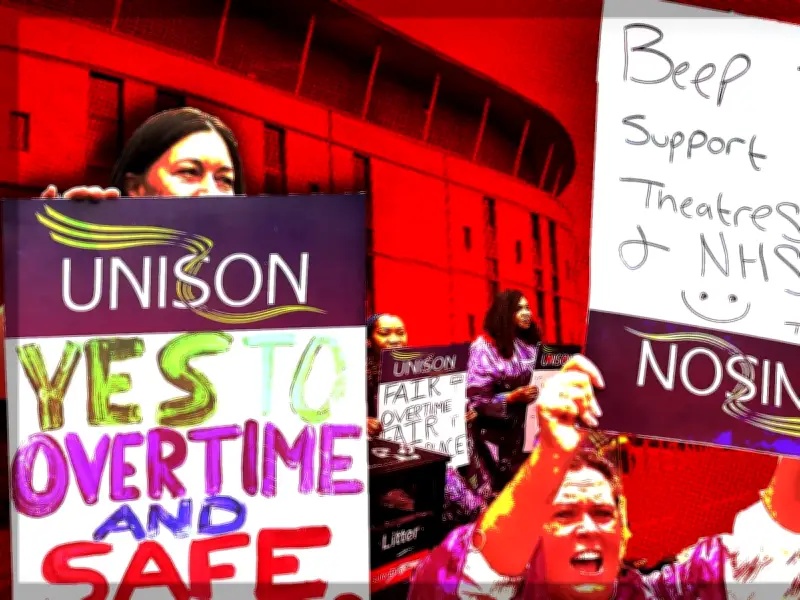
The latest scrutiny of the trust coincided with industrial action by theatre staff. More than 350 nurses, clinical support workers and housekeepers walked out across the NCA's four hospitals this week in a dispute over overtime payments. Trade union Unison says years of staff shortages have left colleagues routinely taking additional shifts to keep services running. The union claims changes to the way overtime is managed mean some staff can now earn less for an additional shift than they would have done previously.
The NCA's latest board papers show sickness absence has risen to 6.84 per cent - the highest recorded during the reporting period. The trust also acknowledged that this rate 'remains an outlier compared to peers and is driving bank and agency spending'.
Commenting during the period of industrial action, NCA chief nursing officer Juliette Cosgrove said: "Our teams have worked incredibly hard to keep as many operating theatres open as possible and to ensure that patients requiring urgent or emergency procedures continue to receive the care they need."
The NCA previously said it recognised the challenges facing the organisation and was working to improve services. The trust said it was putting more clinicians into leadership positions and giving them a direct role in making decisions and driving improvements.
The latest board papers show that, despite work already underway, the NCA continues to face significant pressure over patient safety, complaints and staffing. And with staff staging industrial action while the trust deals with wider pressures, questions remain over how quickly it can deliver the improvements it is promising.