

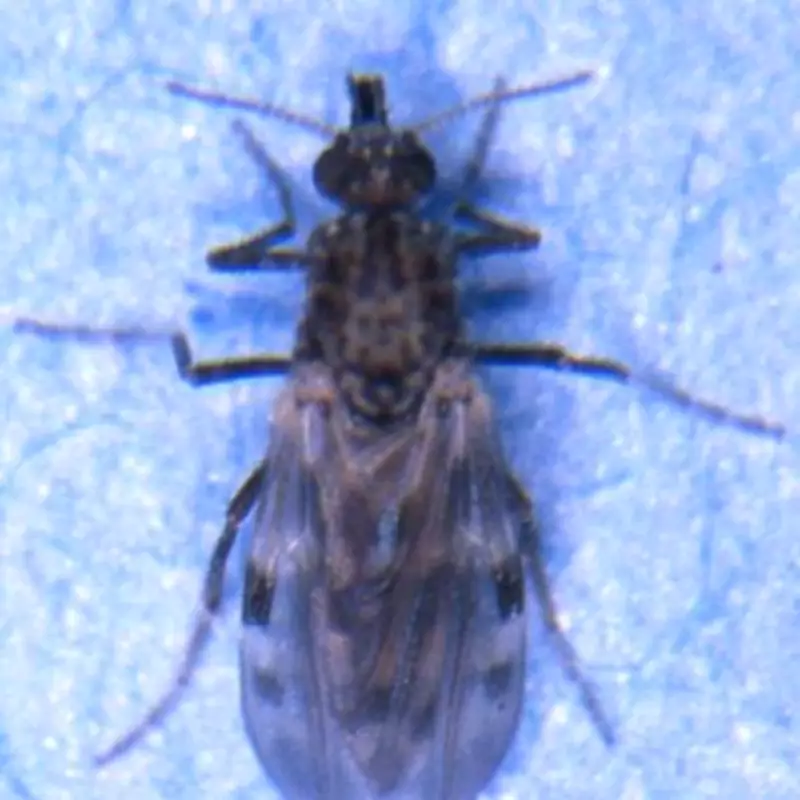
Mutant Midge Invasion Turns Brazilian City Into a Prison for Residents
A terrifying outbreak of mutant midges has plunged the small city of Ilhota, located in the Itajaí Valley of Santa Catarina, Brazil, into a state of emergency. Residents describe themselves as "prisoners in their own homes", forced to take extreme measures to avoid the relentless insects known as maruim midges. This infestation has not only disrupted daily life but also poses a significant public health threat due to the diseases these midges can transmit.
Desperate Measures in the Face of Swarming Insects
In a desperate bid to escape the biting maruim midges, people in Ilhota have resorted to keeping doors and windows tightly shut, despite the sweltering heat. To combat the stifling conditions indoors, many are running fans constantly. When venturing outside becomes unavoidable, residents must wear heavy winter clothing—including pants, jackets, and gloves—to cover any exposed skin. "You have to wear pants, a jacket, and gloves in this intense heat. The bugs attack your face," explained resident Jaqueline Fischer, highlighting the absurdity of bundling up in tropical weather.
Patricia, another local, echoed the sentiment of entrapment, stating, "During the day, we are prisoners inside our own homes. We are prisoners of our own homes." This sense of confinement is compounded by the midges' aggressive behavior, which targets faces and causes localized skin irritation and intense itching upon biting.

Health Risks and Inadequate Official Response
The maruim midge is not merely a nuisance; it is a vector for dangerous viruses, most notably Oropouche fever. This dengue-like disease triggers sudden symptoms such as:
- High fever
- Severe headaches
- Muscle aches
- Vomiting
Past outbreaks have had devastating consequences, including two reported foetal deaths in 2024, underscoring the particular risk to expectant mothers. Similar to mosquitoes, only female maruim midges bite humans, as they require blood to support their breeding cycles and produce hundreds of eggs.
Despite repeated pleas from affected residents, local authorities have struggled to contain the infestation. City officials in Ilhota admit they lack a specific product to control the maruim population, allowing it to multiply exponentially and spread to neighboring areas like the Luiz Alves municipality. While Luiz Alves officials are using a biological larvicide against other midge types, this method has not yet proven effective against the feared black flies, leaving communities vulnerable.
Personal Tragedies Amid the Infestation
The midge invasion has had dire personal impacts, as illustrated by the case of Veronita Pelz, a cancer patient. Her doctor recommended sun exposure for its vitamin D benefits to aid recovery, but she chose to remain hospitalized simply to avoid the gnats. "The doctor even told me to get some sun, because the sun has vitamins. I was even hospitalized all week, and nobody wants to stay in the hospital, right? But it's so peaceful there, because there aren't any gnats," Pelz recounted, highlighting how the infestation is compromising medical advice and quality of life.
This situation in Ilhota serves as a stark reminder of the broader challenges posed by insect-borne diseases in Brazil. With midge infestations spreading across the country, the need for effective control measures and public health interventions has never been more urgent. Residents continue to live in fear, trapped indoors by an invisible enemy that turns their homes into prisons and their streets into no-go zones.






